

The birth of a child is one of the happiest periods in a person’s life. Unfortunately, after childbirth, women can face a different side of motherhood. This includes feelings of isolation, depression, and anxiety. When these conditions interfere with normal daily life, professional help is essential. Losangeleska shares more on this topic.
Warning Symptoms
Perinatal depression, or postpartum depression, is a form of depression that occurs after childbirth and involves physical, emotional, and behavioral changes. This condition affects far more people than many realize. According to research, 1 in 5 women and 1 in 10 men experience depression and anxiety during the perinatal period. These numbers are likely even higher. The positive news is that this condition is treatable, but it’s crucial to understand the signs and symptoms.
Symptoms can appear during pregnancy but most often emerge after birth. They manifest in the following ways:
- Irritability, anger, or even rage;
- Lack of interest in the newborn baby;
- Feelings of guilt, shame, hopelessness, or apathy;
- Disturbances in sleep or appetite;
- Sadness, crying, and loss of interest or joy, even in things you used to enjoy;
- Thoughts of harming yourself or the baby.
According to Postpartum Support International, approximately 15% of women experience postpartum depression, and 10% experience depression or anxiety disorders during pregnancy.
Who Needs Help?
There are certain risk factors for developing postpartum depression. Understanding if you fall into this category allows you to consult with a doctor in advance and plan for treatment. Risk factors include a personal or family history of mental illnesses such as depression, anxiety, postpartum depression, or bipolar disorder. Specialists also include premenstrual dysphoric disorder (PMDD), lack of support in caring for the baby, financial stress, and substance abuse as risk factors.
Women are also at risk due to conflicts in the relationship, an unplanned or unwanted pregnancy, or complications that arise during pregnancy, childbirth, or lactation. The mother’s own health problems, such as a thyroid imbalance or any form of diabetes, also increase the risk of developing postpartum depression.
Parental groups with high levels of stress include: queer and trans families, military families, teen or single parents, parents with multiple children, and parents who have experienced a previous child loss.

Disorders
- Perinatal Obsessive-Compulsive Disorder (OCD), characterized by repetitive, unwanted, intrusive thoughts and excessive urges to perform certain actions. These ideas and thoughts are focused on the baby’s health and safety. These recurring, intrusive images can appear unexpectedly and are distressing. This disorder is treatable.
- Perinatal Post-Traumatic Stress Disorder (PTSD), caused by a traumatic or disappointing experience during pregnancy, childbirth, or after the baby is born. This disorder is also treatable.
- Bipolar Mood Disorders (Types I and II). According to research, approximately 50% of women are first diagnosed with this disorder during the postpartum period. There are two phases: a low (clinically, depression) and a high (mania or hypomania). Perinatal bipolar disorder is also treatable.
- Perinatal Psychosis (or Postpartum Psychosis) – This is a serious disorder that begins in the first two weeks, and sometimes up to a year, after childbirth. Statistically, 1-2 women per 1,000 are diagnosed with it. Women may see or hear things that aren’t there, be unable to sleep, experience paranoia, and have rapid mood swings. An active case of perinatal psychosis is an emergency, and you must seek help immediately.

Action Plan: What Should Treatment Look Like?
There are several treatment options for perinatal anxiety and depression. It’s important to consult with a doctor or therapist to choose the right plan.
- The first option is social and practical support with various activities. For example, help with the baby to unburden the mother, and setting aside time for herself and her own hobbies. This also includes seeking help from a support group.
- Mental health counseling and choosing a type of postpartum therapy. Examples include Cognitive-Behavioral Therapy (CBT) or Dialectical-Behavioral Therapy (DBT). Help hotlines are available (like the free PSI HelpLine), which can quickly connect you with a qualified mental health professional trained in perinatal issues.
- Medical evaluation and treatment. This option involves consulting with a doctor and potentially prescribing medication, such as antidepressants.
- Help from intensive treatment facilities.
In Los Angeles, women can seek help from Dr. Lilit Ayrapetyan, an experienced licensed clinical psychologist. She runs two successful practices and has personally faced the challenges of motherhood. She is certified as a licensed clinical psychologist and has training in perinatal mood disorders and advanced perinatal mental health psychotherapy.
Angelenos can also turn to Armine Manukyan, a bilingual Armenian-speaking family therapist. She is a registered Associate Marriage and Family Therapist.
Emma Bennett
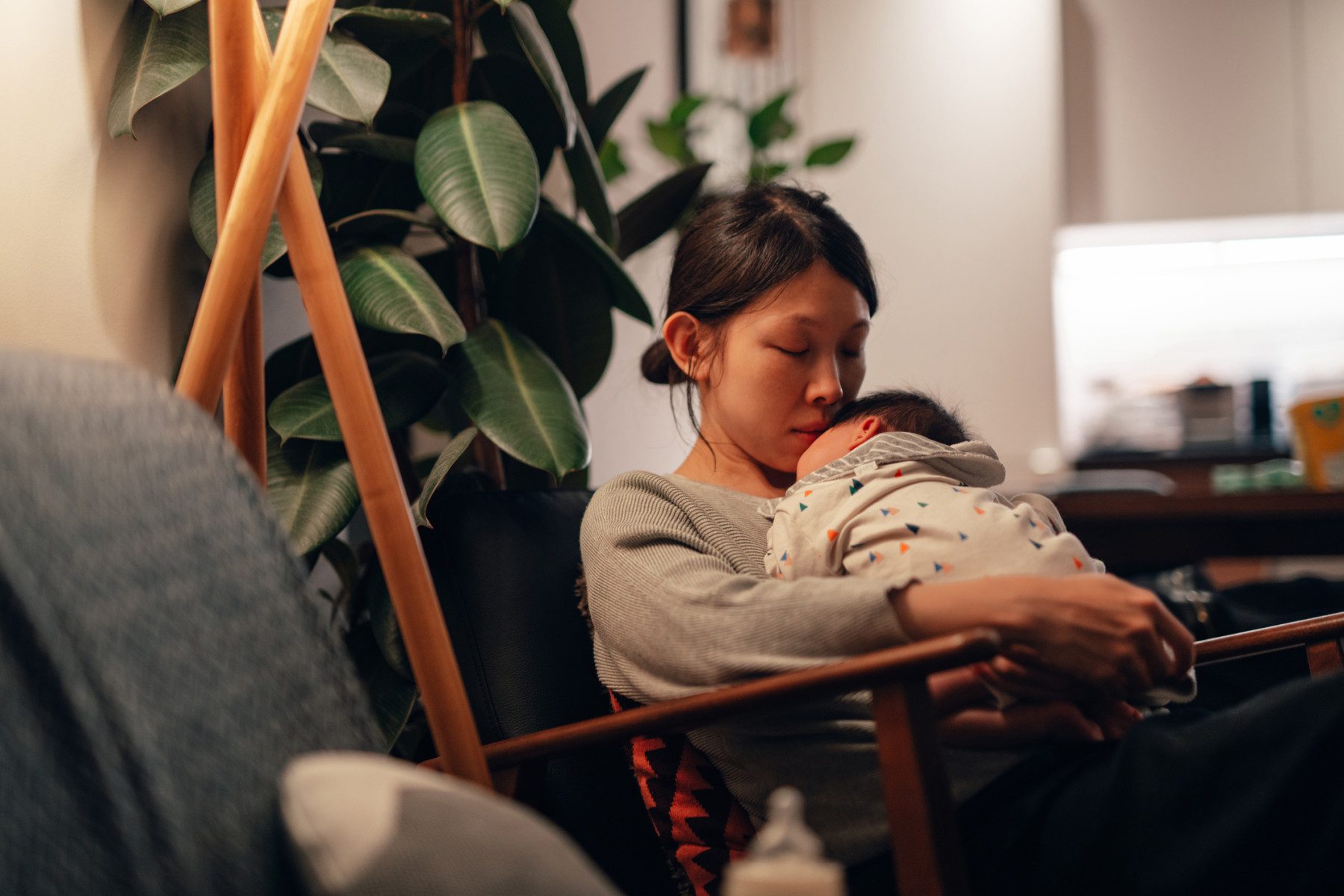
As a mother of two, Emma Bennett understands well how crucial emotional support is during pregnancy and after childbirth. Her personal experience and professional training led her to work with women and mothers in Los Angeles. She enjoys providing empathetic and supportive postpartum therapy.
Emma Bennett earned her bachelor’s degree in Clinical Psychology and Counseling Psychology from Cal Poly, San Luis Obispo. She then earned her Master of Social Work from the University of Southern California (USC), graduating with honors.
The psychologist is a member of Postpartum Support International and has completed numerous trainings on maternal mental health. In addition to individual therapy, Emma Bennett is a representative for the organization South Bay Families Connected. She runs a blog and shares useful information on perinatal mental health.

Support for Women
Specialists in Los Angeles provide new moms with emotional support and evidence-based care to treat postpartum mental health issues. You can choose individual therapy, which includes virtual sessions for people in Los Angeles and throughout California. Trainings, workshops, and virtual groups for women in California are also available. During group sessions, women can find a balance between motherhood and their own identity.
It is vital for every woman—during pregnancy, childbirth, or the postpartum period—to understand that she is not alone and it is not her fault. Postpartum depression and other disorders are temporary conditions that are treatable. It’s important not to be afraid to ask for help and not to put it off. Seeking help in a timely manner is the first step toward recovery. Postpartum therapy can help women in Los Angeles feel better and experience the joy of motherhood.