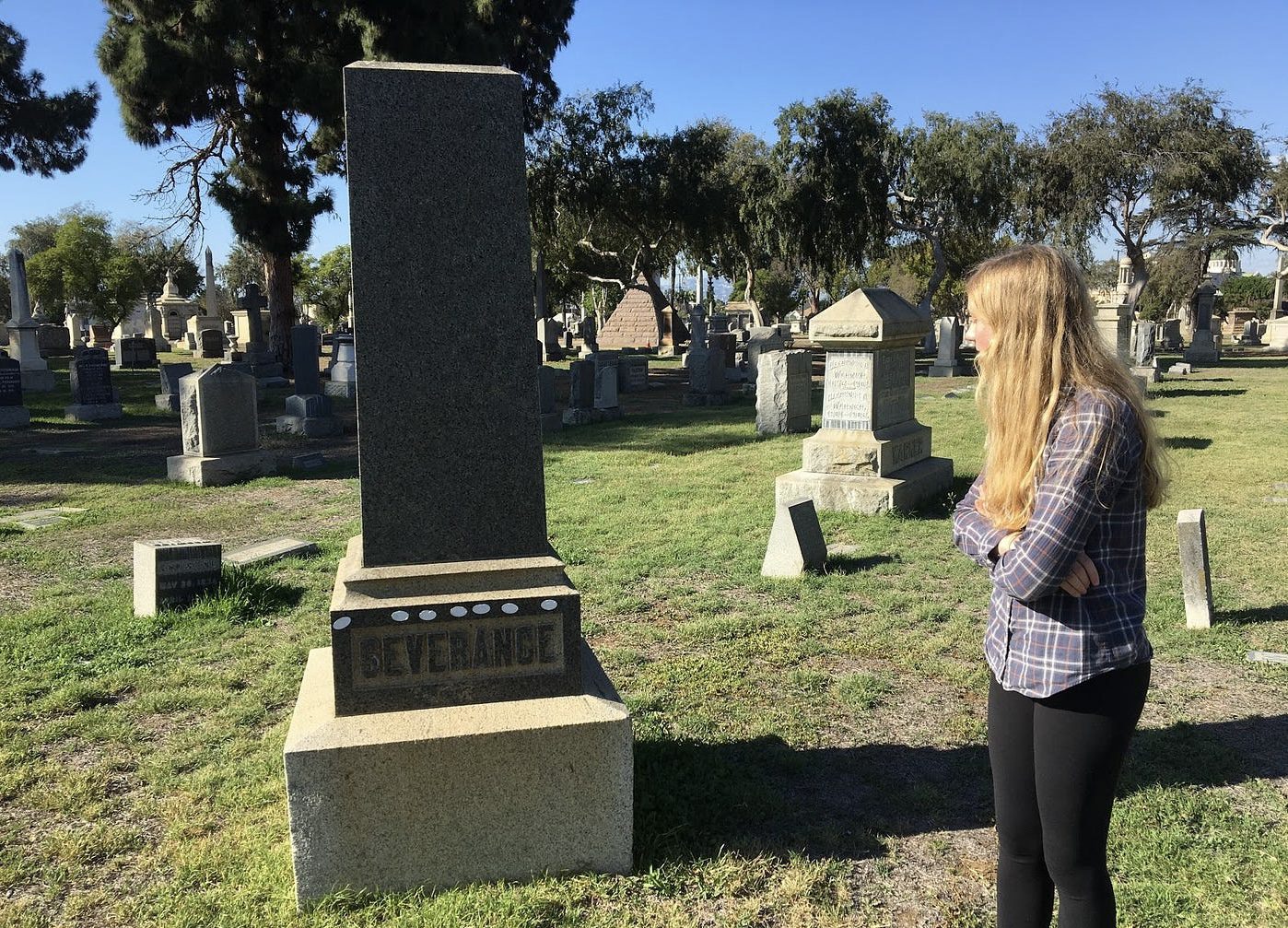

Caroline Severance was a committed suffragist and the founder of influential women’s clubs in Los Angeles. She stands as one of the most influential women of the 19th century. She left her mark not only on California but also made a huge contribution to the development of the women’s rights movement across the United States. Her life was filled with inspiration and a tireless fight for women’s rights, her name is immortalized in the history of the US women’s movement, and her work represents a crucial stage in the battle for equality. You can also read about Sally Ride—the first American woman in space. More on losangeleska.
Biography and Early Activism
Caroline was born on January 12, 1820, in Canastota, New York. She was one of five children born to Orson and Caroline Seymour. Her father passed away when she was just four years old, prompting her mother to move the family to a nearby town. From a young age, she attended a women’s seminary and a boarding school. Her family deeply valued education, which gave her the opportunity to immerse herself early in reading and intellectual discussions. After finishing school, she worked at a girls’ school.
At the age of 20, she married Theodore Severance, a bank employee. The young couple moved to Cleveland. Over the next eight years, they had five children, though one died in infancy. During this time, their home became a regular meeting place for women’s rights activists. Caroline frequently delivered lectures and organized women’s rights conventions in Ohio. Yet, she still maintained the traditional role of wife and mother expected in the 19th century. Later, she and her husband co-founded the Independent Christian Church.
In the 1850s, Caroline relocated to Boston, which was then a hub for reform movements, including abolitionism and women’s rights. It was here that she became involved in active public life. At 33, she gave her first public speech to a large audience at the Cleveland Library Association—it was the first lecture ever delivered there by a woman. Shortly thereafter, she devoted herself to women’s rights, and in 1853, she chaired the first annual meeting of the Ohio Women’s Rights Association.
In 1868, Caroline founded the New England Women’s Club in Boston. This was the first women’s club in the US and became a template for similar organizations nationwide. The club united women with progressive views who sought to influence public life. Under Severance’s leadership, they discussed key issues of the time: women’s education, the right to work, access to politics, and social equality.
Pioneering Work in Los Angeles
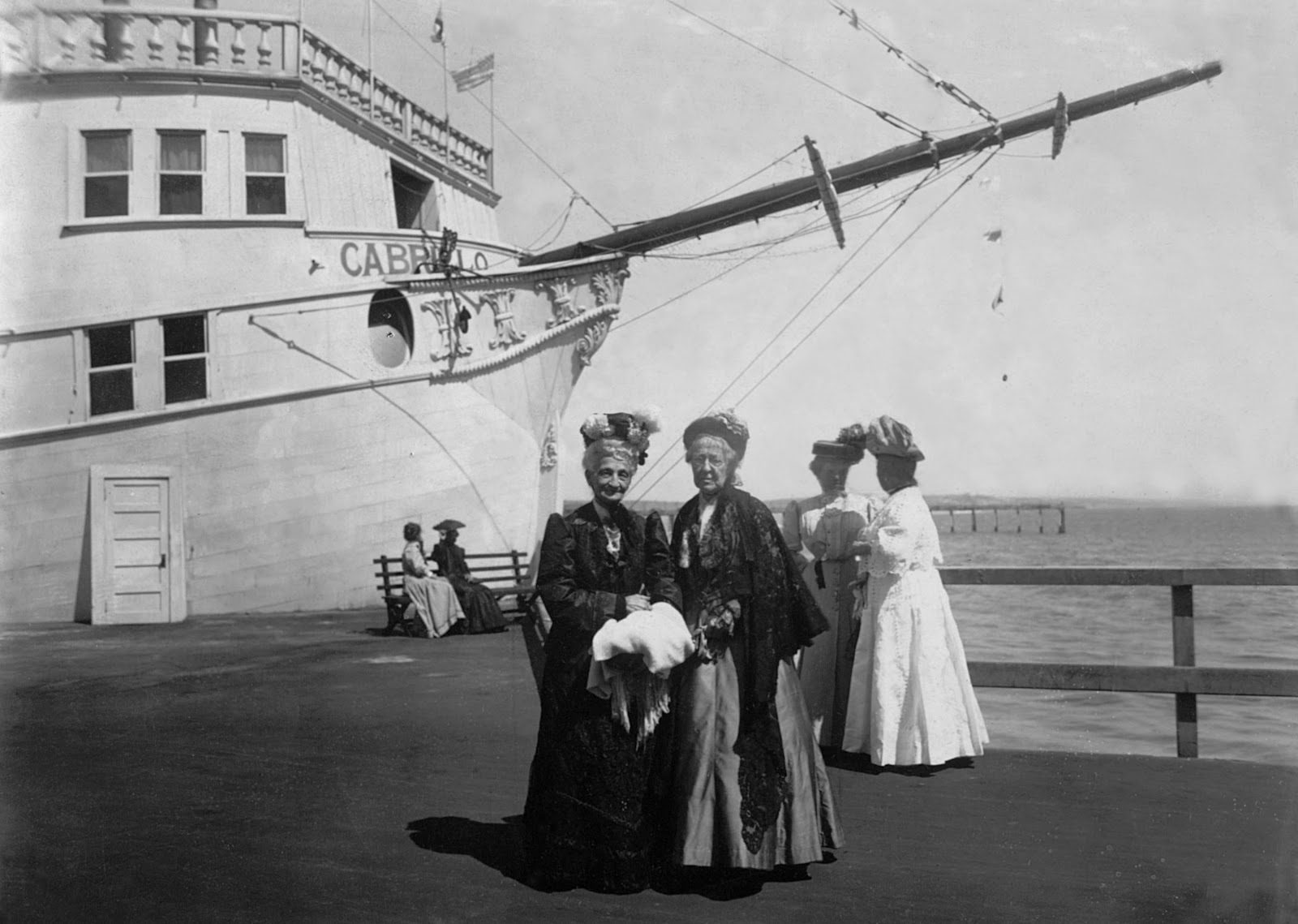
In 1875, she and her family moved to Los Angeles. The reasons for the move were numerous, including her husband’s health and the fact that their children were already living on the West Coast. They purchased a small house which they named “The Red Roof.” The move to Los Angeles opened a new chapter in Caroline’s life. In a city that was just beginning to develop as a cultural and political center, she became a trailblazer for many initiatives.
Once in California, she and her husband founded the First Unitarian Church. Theodore was a founder of the Orphan Asylum Society and the Horticultural Society. Caroline began organizing women and helped establish the Los Angeles Public Library.
Founding the First Women’s Clubs
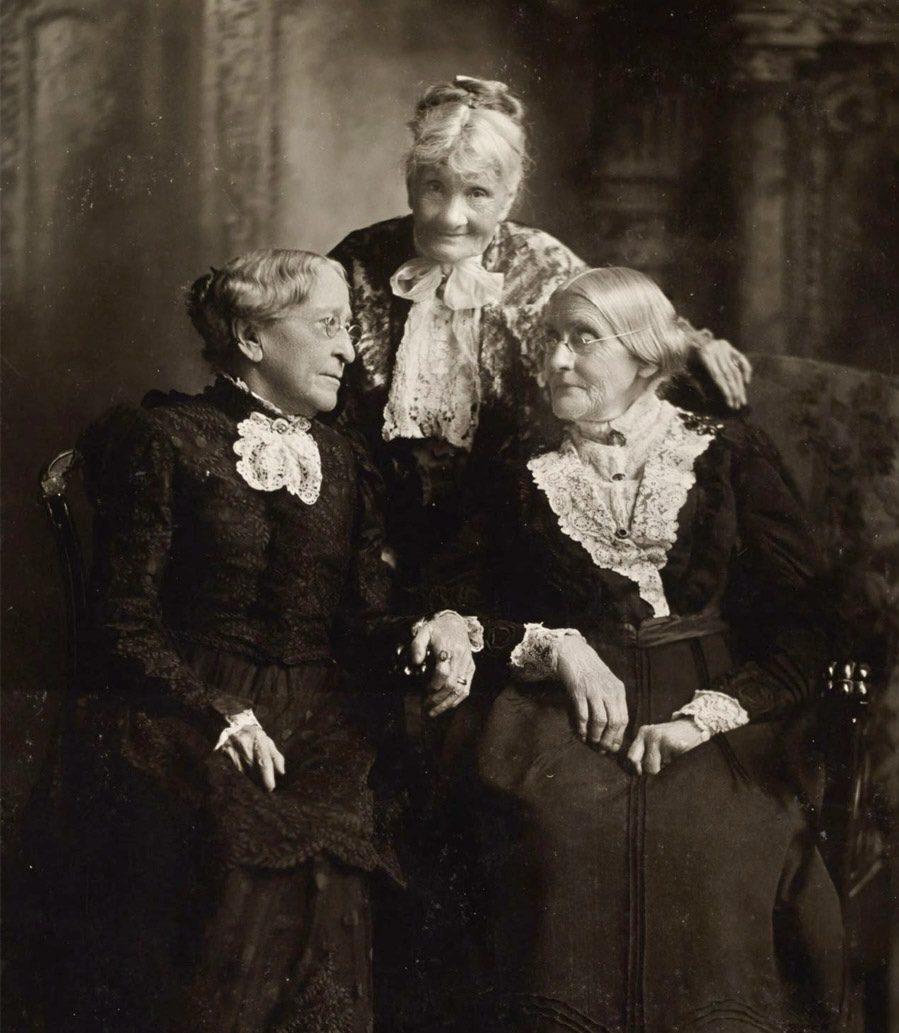
In 1878, she founded the first women’s club in Los Angeles. Her interests were broad, ranging from women’s suffrage to historical preservation. The club’s goal was to form a center of unified thought and action, giving all topics of vital interest a powerful platform. The club’s membership was composed of women from various classes who sought to broaden their horizons. Early activities included a report by Dr. Follansbee, who insisted that the destruction of shade trees in the city was a crime. The press picked up the issue, and the city council adopted ordinances to protect the trees. The club also pushed for the appointment of women to the school board. Over time, Severance grew more radical in her thinking and was active in the Christian Socialist movement in the city around the turn of the 20th century. She became known in the local press as “Madame Severance,” a testament to her prestige and status in the city.
In 1881, she founded The Friday Morning Club. This club was dedicated to cultural and social change, and it quickly became one of the most powerful and prestigious organizations in Los Angeles. Fees were set at $2 for entrance and twenty-five cents for monthly dues. Programs, which were highly diverse in nature, were organized by committees. The club was instantly popular, serving as a platform to advance women’s interests, work on improving civic affairs, and introducing reforms. It was one of the first clubs to join the General Federation in 1892.
The club founded the Women’s Industrial Exchange. It secured the appointment of a woman to the city school board and supported the candidacy of Kate Tupper Galpin for County Superintendent of Schools. The club showed a deep interest in establishing and supporting the Juvenile Court and efforts to secure industrial education in schools.
One of Caroline’s key initiatives was the development of education. She supported the creation of schools and libraries in Los Angeles. Her work helped make knowledge and literature accessible not only to the elite but also to the broader population. Caroline also backed numerous charitable initiatives aimed at assisting low-income families and improving educational conditions for children. She also supported hospitals and centers for women and children in difficult life circumstances. Caroline Severance collaborated with leading feminists of her time, including Susan B. Anthony and Elizabeth Cady Stanton. She spoke at national suffrage conventions, where her voice was one of the most influential.
The Long-Awaited Vote
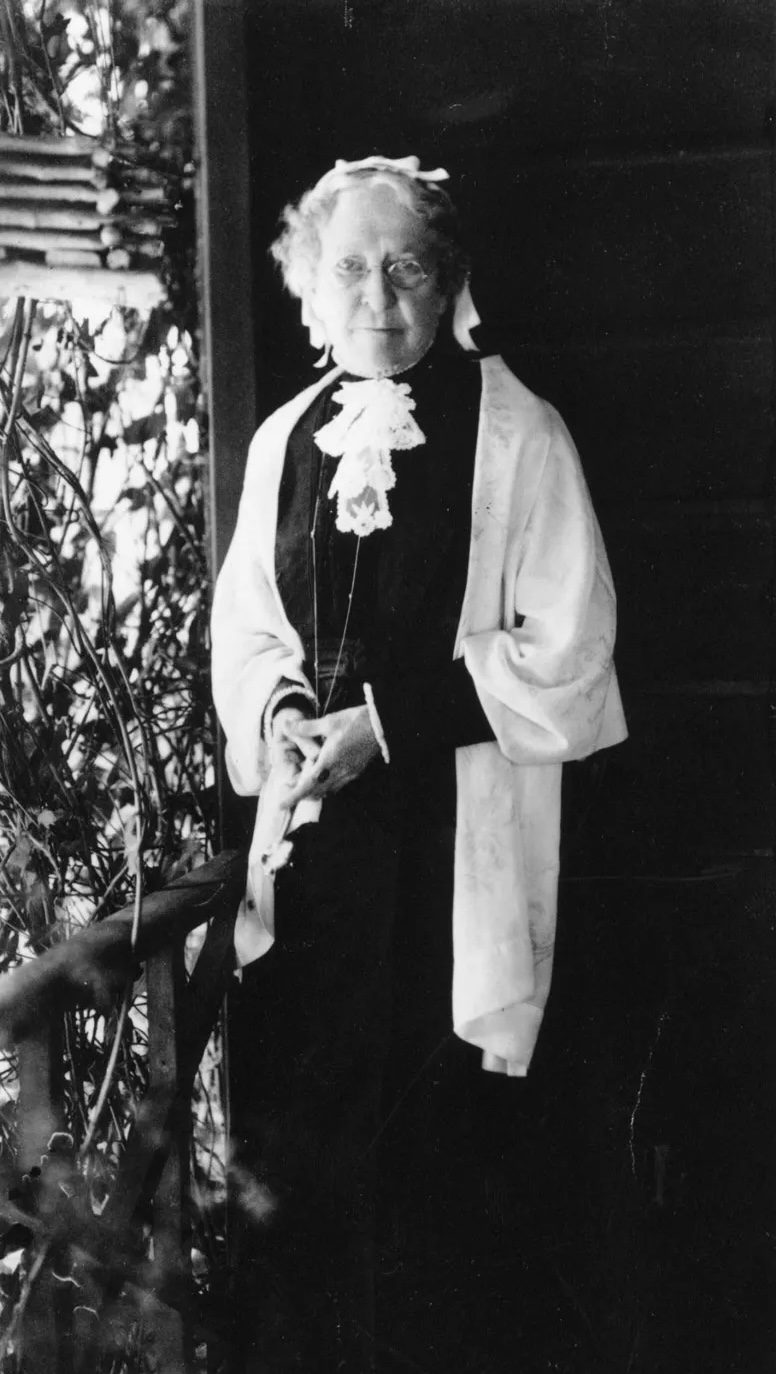
After her husband’s death in 1892, Caroline had to slow down. She moved houses but continued to gather active men and women at her new home to foster social change. Weekly discussion series were held where Caroline championed the interests of Christian Socialism, Progressivism, and social reforms. For over 30 years, this house hosted unique meetings for leaders of progressive thought.
In December 1900, the Los Angeles County Woman Suffrage League was reorganized with Caroline Severance as the new president. She served until 1904. Most importantly, the women of California won the right to vote. In 1912, at the age of 92, she voted in the presidential election, having worked for women’s suffrage for over sixty years. When she cast her ballot, a photographer from the “Los Angeles Examiner” captured the moment. She told the reporter she voted for Roosevelt because of his promise to provide free textbooks. Caroline Severance died on November 10, 1914, at the age of 94.
Caroline Severance left a profound mark on the history of Los Angeles and the United States. Her fight for women’s rights inspired generations of activists who continued her work. In the 21st century, Caroline Severance is recognized as one of the most influential figures in the foundation of the women’s movement. Her example serves as a powerful reminder of the importance of active engagement and persistence in the fight for justice.