

The Ebell of Los Angeles is one of the city’s most renowned historical and cultural centers. It uniquely blends incredible architecture, a long history, and the advancement of the women’s movement. It is not just an architectural landmark but also a symbol of female solidarity, cultural diversity, and artistic progress in Los Angeles. Also, read about the first woman to fly across the Atlantic, Amelia Earhart. More on losangeleska.
The Founding Story
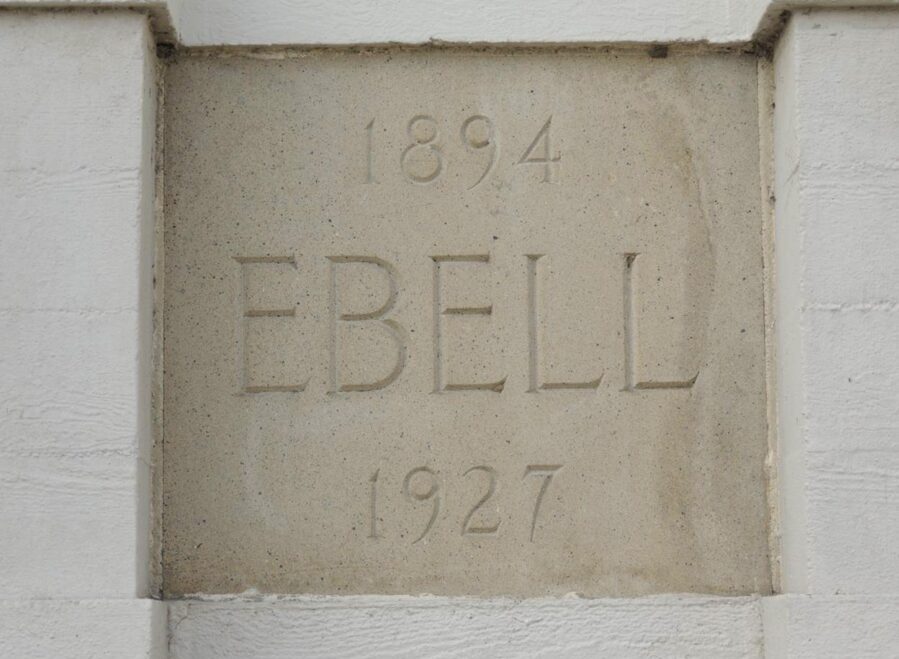
The Ebell of Los Angeles was founded in 1894 as a women’s club. It was dedicated to supporting educational and cultural projects and promoting the importance of self-development for women. The club was named after Adrian Ebell, an American philosopher and educator who advocated for equal opportunities for women. As there were few similar clubs in Los Angeles, it immediately gained popularity. Members discussed socially important topics, and the venue hosted crucial educational lectures and other events. In the 1920s and 1930s, the Ebell often featured discussions on important political themes, including women’s rights and support for the arts. During World War II, the club assisted soldiers and veterans, providing support through charitable projects.
The Club’s Historic Building
The first official evening in the women’s clubhouse took place on October 22, 1927, to celebrate the International Ball. The theater first opened to the public on December 29, 1927, with the world premiere of Sigmund Romberg’s new musical, “The Desert Song.” By mid-1930, the theater had been renamed the Wilshire Ebell Theatre.
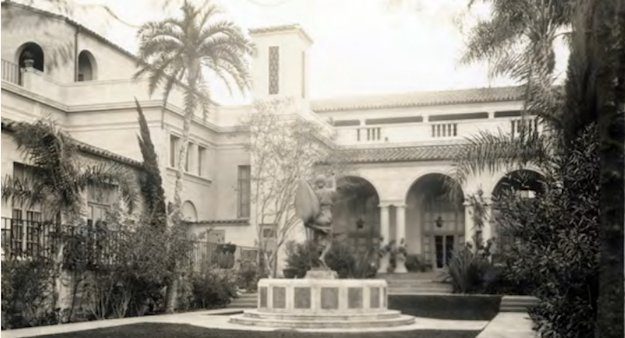
The club building, in the Italian Renaissance style, was opened in 1927 and designed by architect Sumner Hunt. The main building comprises several halls, each with its unique design. The most famous part of the complex is the Wilshire Ebell Theatre, which can seat over 1,200 people and boasts superb acoustics. The interior courtyard, complete with fountains and luxurious landscaping, offers an atmosphere of tranquility and elegance that defines the complex. The Ebell has hosted countless important city events: concerts, theatrical performances, weddings, fashion shows, and charity fundraisers. Over the years, legends such as Judy Garland, Glenn Miller, and Grace Kelly have performed here. This location has also become a symbol of female leadership. The club regularly holds seminars focused on women’s health, education, careers, and activism.
The Ebell of Los Angeles is more than just a building. It is a living symbol of history, culture, and women’s solidarity. Its walls preserve the memory of the past, while contemporary events continue to inspire future generations.
Club Activities in the 21st Century
In the 21st century, The Ebell of Los Angeles remains a vital center for culture and the arts. It regularly hosts performances, concerts, film screenings, and other events that attract residents and visitors alike. Moreover, the club continues its historic mission: supporting women in their pursuit of self-development and education.
The women’s club collaborates with a wide range of artists and promoters from around the world to showcase diverse art to the city’s population. In 1994, the club was added to the National Register of Historic Places, solidifying its status as an iconic building. Thanks to its diverse internal spaces, the club building features a theater, office spaces for staff, and smaller rooms for special events. Since its opening, the theater has hosted musical performances and lectures by world leaders and leading artists, including the likes of Judy Garland, Stevie Wonder, and Michelle Obama, among many others. This building holds a special place not only in the hearts of Los Angeles residents but also for theater-goers who appreciate a grand performance venue. In 2013, the historic building underwent a massive renovation to restore its original appearance, ensuring the structure was updated to adequately serve the needs of the community.