
The pioneering US female spacefarer, Dr. Ride, was a revered figure and a profound source of inspiration. Through her endeavors, Ride emboldened future generations of women to uphold their ambitions and aspirations, urging them to stride toward the fulfillment of their vocational goals. The female astronaut endeavored to heighten awareness and interest in the study of scientific and mathematical disciplines within scholastic establishments. The space explorer’s life exemplifies the boundless potential of human faculties.
After her spaceflight, the astronaut contributed her expertise to NASA and devoted herself to the realm of academia, both as a collegiate pedagogue and as the founder of Sally Ride Science. Via her enterprise, the space traveler inspired girls to delve into math, science and engineering, motivating them to embark on professional paths within these disciplines. Additionally, delve into the story of the pioneering female pilot who traversed the Atlantic by air, A. Earhart. Read more on losangeleska.
Biography
Sally K. Ride entered the world on May 26, 1951, in LA, California, hailing from a lineage of Norwegian descent. Her junior sibling, K. Ride, pursued a vocation as a Presbyterian cleric. Sally attended Portola High School and Westlake School for Girls in LA. The upcoming space traveler demonstrated a keen enthusiasm for scholarly pursuits, engaged in tennis and earned a spot on the country’s roster of emerging sports talents. After completing high school, Ride enrolled in a college in Pennsylvania before transferring to Stanford University. There, the future space explorer obtained a bachelor’s degree in English and physics. The aspiring spacefarer then pursued and received both her master’s and doctoral degrees in physics from Stanford, specializing in astrophysics and free-electron laser physics.
In 1982, Sally wed fellow astronaut S. Hawley. Yet, domestic life failed to bring contentment to either of them, leading to their separation after five years. The inaugural US female space explorer passed away on July 23, 2012, in San Diego, California, due to pancreatic cancer at the age of 62. Following her passing, the organization established in her memory revealed that the space explorer identified as bisexual. The space traveler spent the final 27 years of her life alongside her former athletic partner and colleague, T. O’Shaughnessy, yet chose to keep their relationship private.
Flight into space
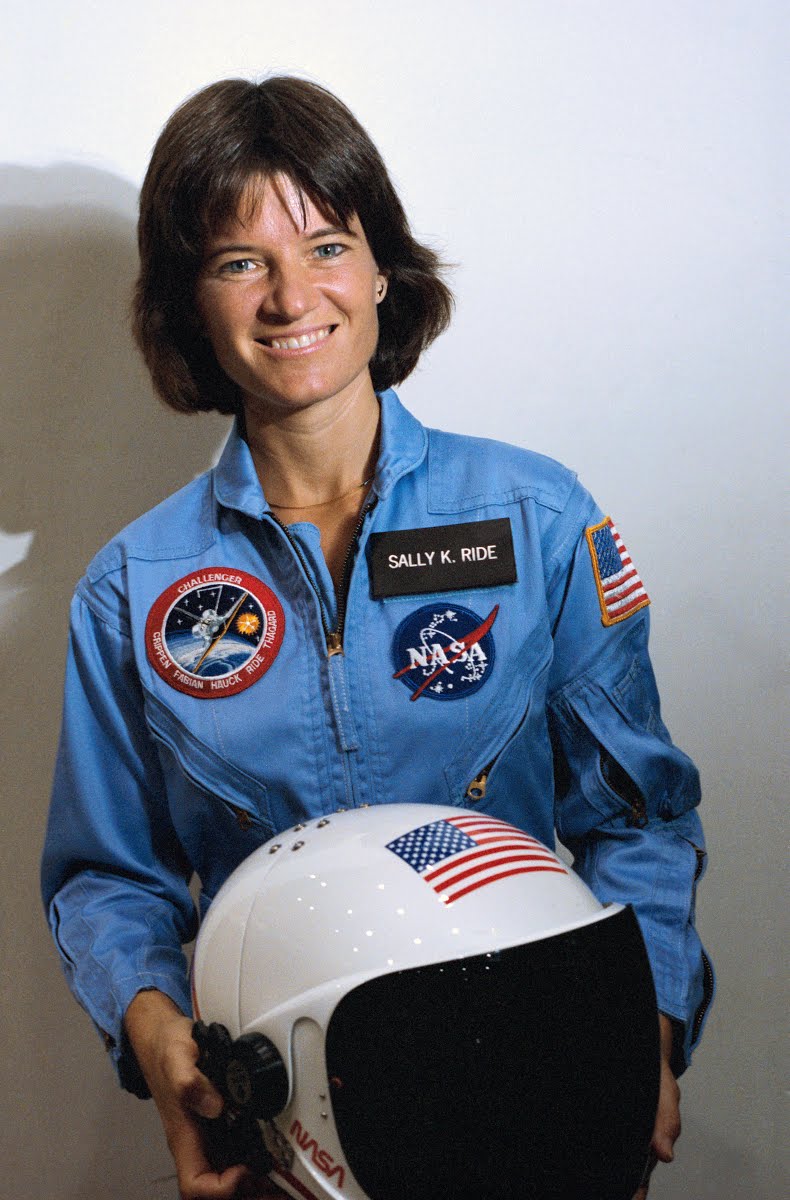
The female space explorer was among the 8,000 individuals who answered NASA’s invitation for candidates to join the space program. In 1983, at 32 years old, the space explorer embarked on her inaugural space voyage as part of the Challenger STS-7 mission. That made her the third female astronaut ever to venture beyond Earth’s atmosphere.
In August 1979, the female space traveler concluded a year-long preparatory and assessment phase, earning her designation as a Mission Specialist (MS) for upcoming space shuttle expeditions. Following this, the spacefarer fulfilled the role of ground-based capsule communicator during the STS-2 and STS-3 missions. The astronaut then took on the position of MS for STS-7. It launched from Kennedy Space Center (KSC), Florida, on June 18, 1983.
The female space explorer was accompanied by R. Crippen (spacecraft commander), F. Hauck (pilot) and MS Colonel J. Fabian and MS Dr. N. Thagard. This marked the Challenger orbiter’s second voyage and the inaugural mission with a quintet of crew members. Throughout the STS-7 expedition, the crew dispatched satellites for Canada (ANIK C-2) and Indonesia (PALAPA B-1). The astronaut operated Canada’s Remote Manipulator System to execute the inaugural deployment and retrieval drill of the Shuttle Pallet Satellite. The female space traveler orchestrated the first orbiter voyage featuring an autonomously drifting satellite and oversaw the Continuous Flow Electrophoresis System experiments. The endeavor spanned 147 hours before concluding with a touchdown on a dry lakebed airstrip at Edwards Air Force Base, California, on June 24, 1983.
The second flight occurred in 1984. In total, the astronaut accumulated over 343 hours in the cosmos. Throughout her tenure at NASA, the spacefarer served as a communications officer on both the second (STS-2) and third (STS-3) missions of the Space Shuttle program. The space traveler subsequently contributed to the space shuttle’s robotic appendage. The astronaut held the role of MS on STS-41-G. The latter was launched from KSC on October 5, 1984.
It was the most extensive crew to date, comprising R. Crippen (spacecraft commander), J. McBride (pilot), MS Dr. K. Sullivan and Commander D. Leestma, along with two payload experts, M. Garneau and P. Scully-Power. During their eight-day expedition, they launched the Earth Radiation Budget satellite and carried out scientific investigations of the planet utilizing OSTS-3 and a high-resolution camera. They showcased the feasibility of refueling the satellite via extravehicular activity and the accompanying hydrazine transfer. The operation spanned 197 hours and concluded with a touchdown at KSC on October 13, 1984.
Life after spaceflight
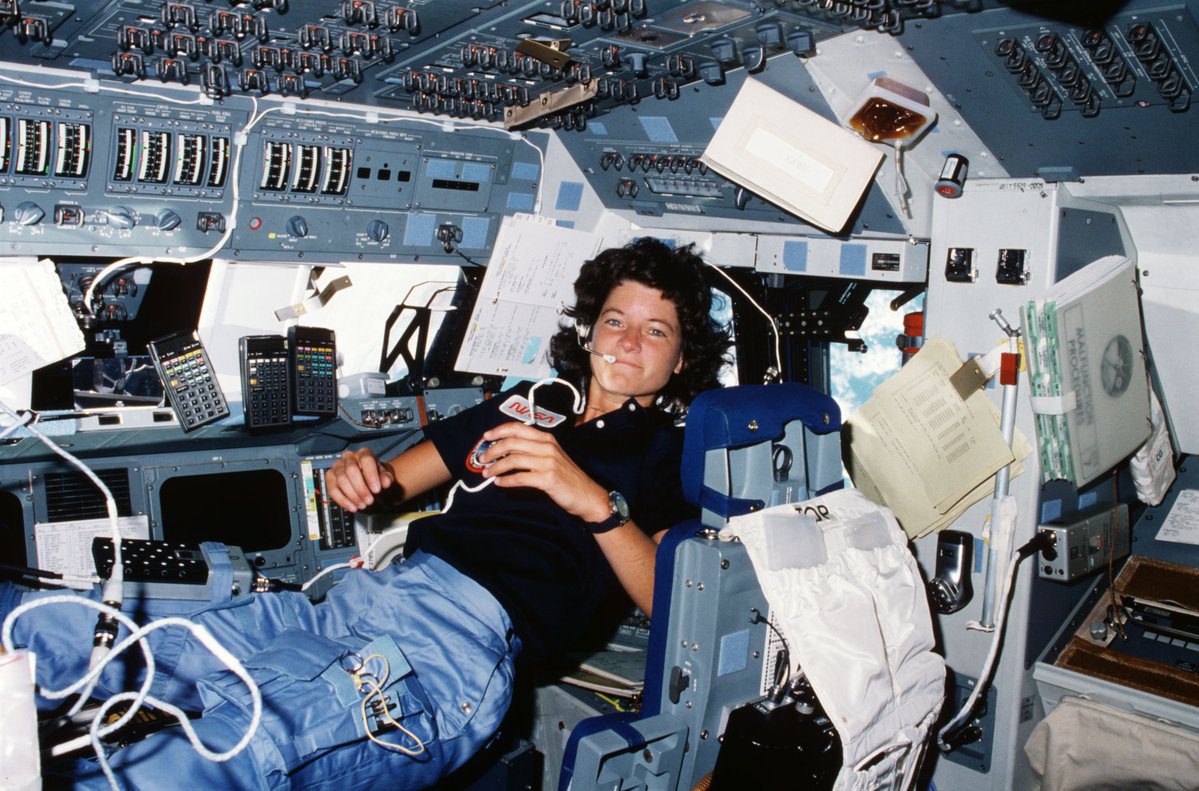
In June 1985, the female space traveler was appointed as a crew member of STS 61-M. However, the mission was aborted in January 1986 following the tragic Challenger space shuttle catastrophe. In the aftermath of the disaster, the spacefarer was selected to serve on the Presidential Commission tasked with probing the incident. There, the female space traveler presided over one of the subcommittees. Upon the completion of the inquiry, the astronaut was reassigned to NASA’s headquarters in Washington, D.C. The woman spearheaded strategic planning initiatives and oversaw the establishment of the research division.
In 1987, the astronaut became a member of the Center for International Security and Arms Control at Stanford University. Two years later, the space explorer ascended to the role of professor of physics at the University of California, San Diego. The famous woman also took the helm as director of the California Space Institute. In 2003, the space explorer was selected to serve on the commission tasked with probing the reasons behind the Columbia shuttle catastrophe.
Public activities
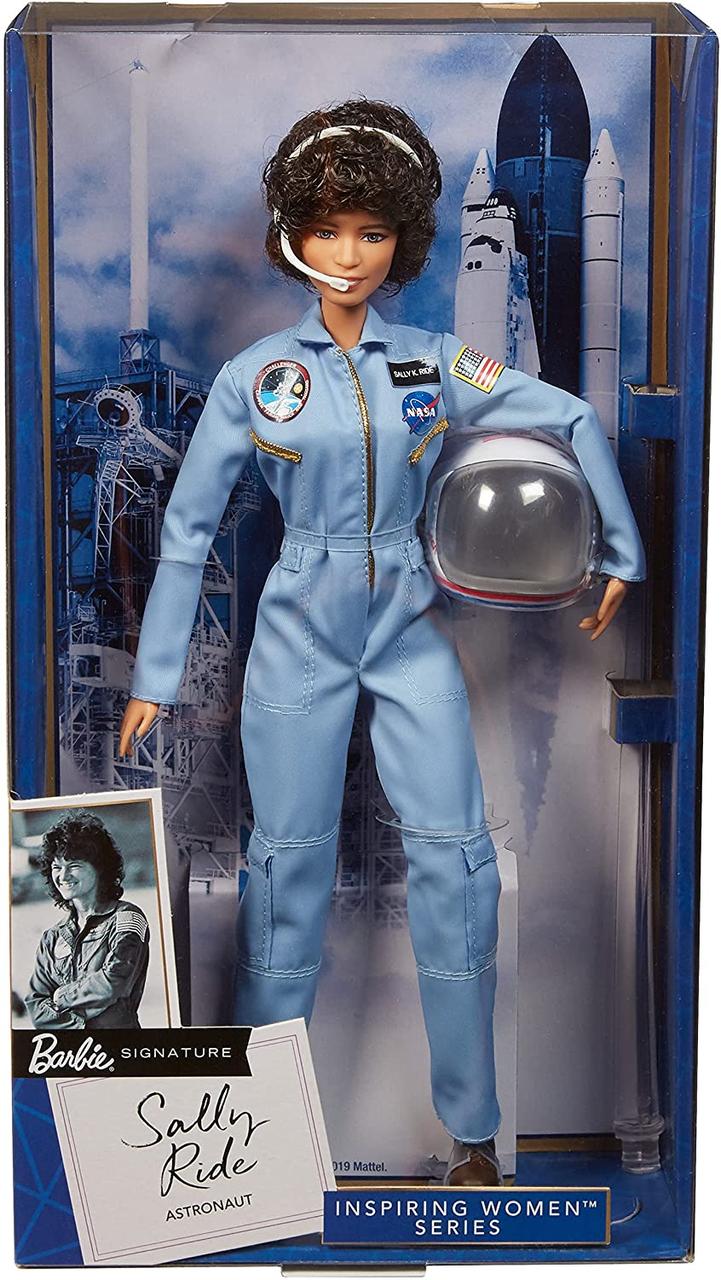
In 2001, the astronaut established her own enterprise, Sally Ride Science. The aim was to inspire girls and young women to embark on careers in science, math and technology. The organization develops engaging scientific initiatives and resources for upper elementary and middle school students, alongside their parents and educators.
The female space traveler had also been a staunch proponent of enhancing science education and had authored five books on the subject for young readers. The space explorer had pioneered and directed educational initiatives aimed at igniting middle school students’ enthusiasm for science. The astronaut served as a constituent of the President’s Committee of Advisors on Science and Technology and the National Research Council’s Space Studies Board. She had previously been employed by the Congressional Office of Technology Assessment, the Carnegie Institution of Washington and the National Collegiate Athletic Association Foundation (NCAA). The astronaut was an associate of the American Physical Society, a participant of the Pacific Council on International Policy and held positions on the boards of both the Aerospace Corporation and the California Institute of Technology.
The female space traveler was honored with the NASA Space Flight Medal on two occasions, the Von Braun Award from the National Space Club and the Theodore Roosevelt Award from the NCAA. Additionally, the astronaut was bestowed the Jefferson Award for Public Service and the Lindbergh Eagle Award. She was enshrined in both the National Women’s Hall of Fame and the Astronaut Hall of Fame. Two primary schools in Texas and Maryland bear her name as a tribute.