

As one of the most influential figures in modern American humanities, her work laid the foundation for Chicana feminism and queer theory. A writer, poet, playwright, and activist, she crafts texts that explore the complex intersections of gender, sexuality, race, and class. Read more on losangeleska.
Her work centers on the experiences of Chicana and Indigenous women, offering fresh perspectives on identity in a postcolonial society. Moraga is a professor of English literature at the University of California, Santa Barbara (UCSB), where she continues to shape academic and cultural discourse.
Biography
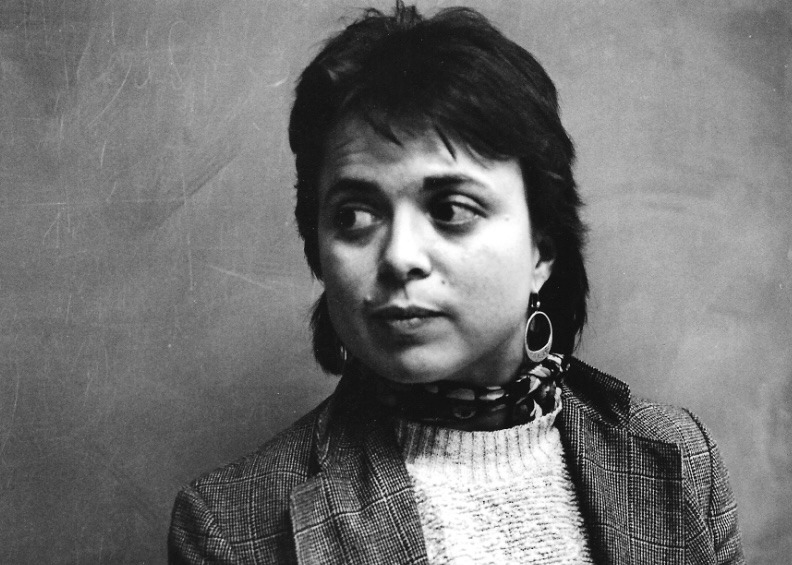
Cherríe Lynn Moraga was born on September 25, 1952, in Los Angeles County, California. Growing up with a mixed-heritage background—her father was a white American and her mother was Mexican—profoundly shaped her future work. In her essays, particularly “La Güera,” Moraga wrote about the internal conflicts of race and class, exploring how these factors forge a person’s sense of self.
Her mother, a gifted storyteller, played a pivotal role in her development and inspired her to pursue a literary path. As an adult, the writer consciously dropped her father’s surname, Lawrence, and adopted her mother’s maiden name, Moraga. This was a deliberate choice to honor and emphasize her cultural identity.
Moraga earned her bachelor’s degree in English from Immaculate Heart College in Los Angeles in 1974. She then continued her education, shifting her focus to feminist writing. In 1977, she moved to San Francisco and dove headfirst into the feminist movement. It was there that she discovered women of color feminism—a movement that would become the cornerstone of her life’s work. In 1980, Moraga received her master’s degree in Feminist Writings from San Francisco State University.
Literary Career
Moraga’s most groundbreaking project is the 1981 anthology This Bridge Called My Back, which she co-edited with Gloria Anzaldúa. The book became a foundational text for feminist and queer studies by systematically highlighting the voices of women of color in the United States for the very first time. The publication won the prestigious American Book Award and is now considered a classic in modern humanities.
In 1983, Moraga teamed up with Barbara Smith and Audre Lorde to found Kitchen Table: Women of Color Press. It was the first publisher in the U.S. dedicated exclusively to the work of women of color. Her own book, Loving in the War Years, emerged as a crucial text exploring queer identity under the weight of social pressure and discrimination.
The core theme of Moraga’s work is intersectionality. She explores how gender, sexuality, race, and class intertwine to shape the human experience. Her writings frequently tackle themes of oppression and silence, as well as the journey to find one’s own voice. She consistently highlights how the experiences of Chicana and Indigenous women were rendered invisible in the cultural landscape for far too long.
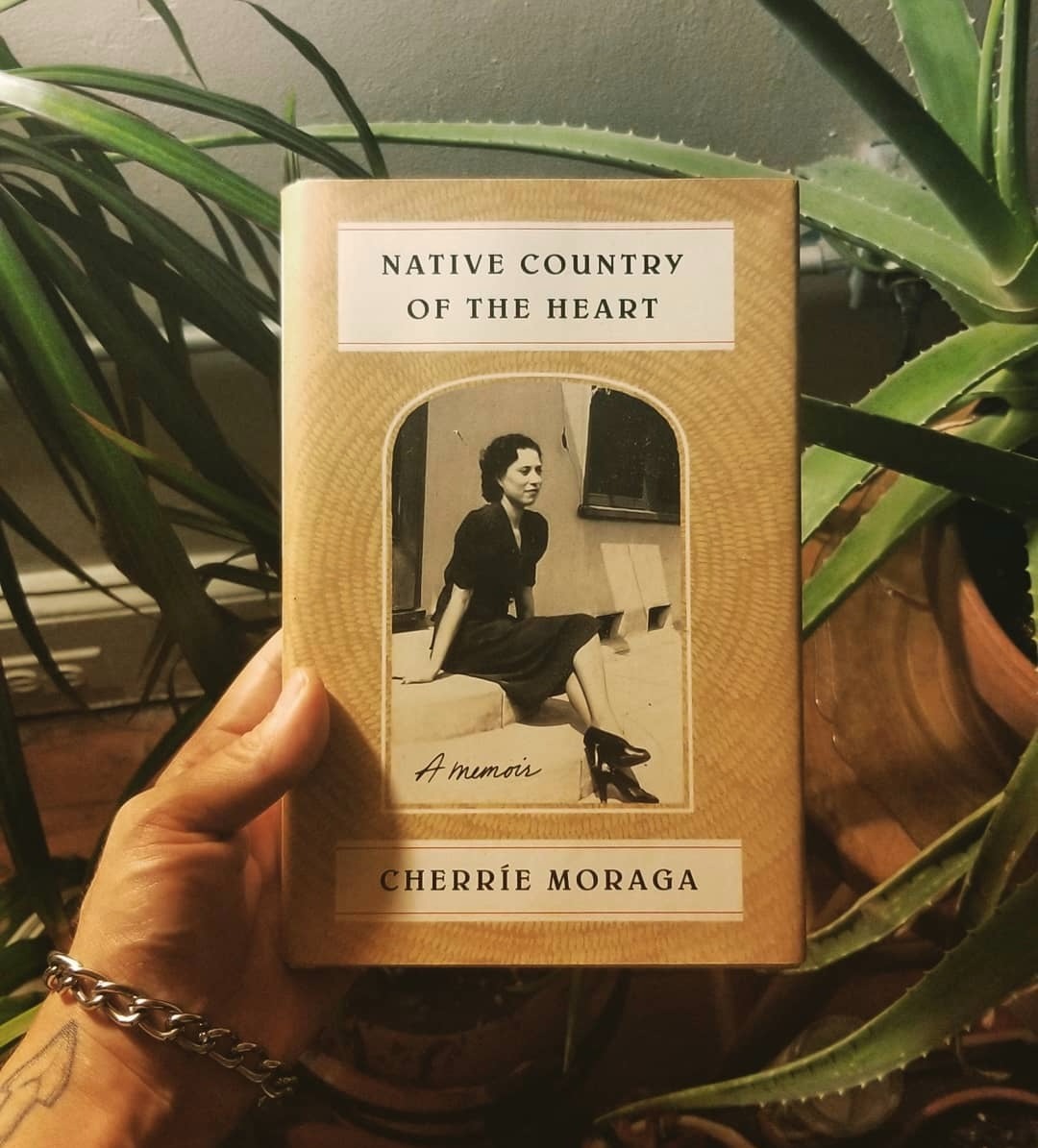
Moraga acknowledges that navigating one’s identity is never simple. Human consciousness is always in flux, and identities are constantly transforming. The author sees her defining trait as a state of uncertainty—a willingness to ask questions that can’t be easily answered by reading a book. This mindset shines through in her essays, where she openly analyzes mistakes, vulnerabilities, and human flaws. Moraga brings this same approach to the theater; her characters are often imperfect but deeply human. She believes the drive to create is rooted in physical and emotional experiences. In many of her essays, the writing process is accompanied by a sensation of physical illness, symbolizing an urgent need to articulate her personal struggles and lived experiences. In her play New Fire, the main character goes through a similar physical and spiritual discomfort on the eve of their 52nd birthday—a highly symbolic milestone in Mesoamerican cultures.
Her essay collection A Xicana Codex of Changing Consciousness captures the experience of the 2000s, revealing her philosophy on shifting consciousness, memory, and culture. Using the letter “x” in Xicana carries profound cultural and political weight. According to Moraga, in Nahuatl—one of Mexico’s many Indigenous languages—the letter “x” makes a “ch” sound. Spelling Xicana with an “x” underscores a connection to Indigenous roots and highlights the political dimensions of identity. This practice perfectly encapsulates her approach to both writing and politics: through language, people can reclaim their history and identity. Every essay, line of poetry, and theatrical piece becomes a tool for self-determination and a mirror reflecting the complexities of the human experience.
Above all, Cherríe Moraga is a storyteller. Through her essays, poetry, and plays, she codifies her own identities and lays them bare for readers and audiences alike. Her work invites people to step into the shoes of others, broadening our collective understanding of shared identity and memory.
Activism
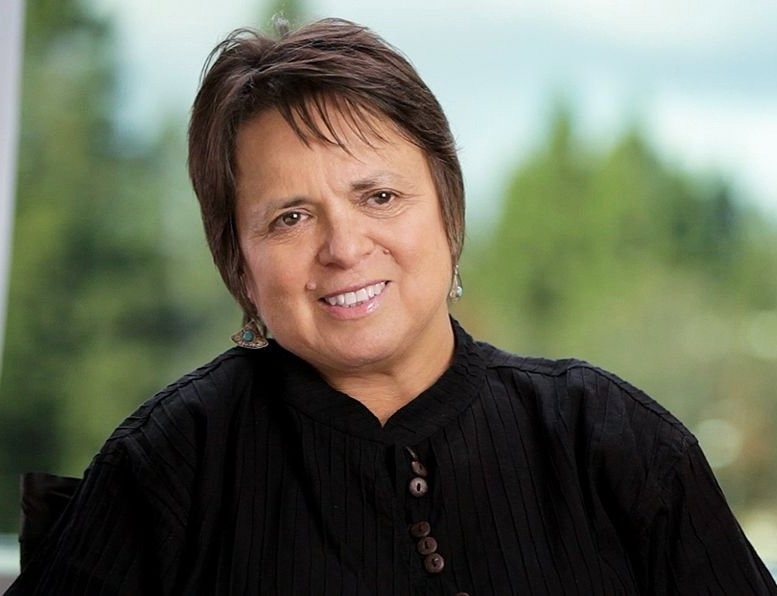
Moraga openly identifies as a lesbian, a vital facet of both her art and her activism. She views sexuality as a lens through which to examine social structures of oppression. Following her coming out, her writing took on a sharper political edge, and she threw herself into feminist and queer movements. She co-founded La Red Xicana Indígena, an organization dedicated to cultural rights, education, and the rights of Indigenous peoples.
Beyond literature, Moraga is deeply involved in the theater. She has penned numerous plays that weave together political themes and cultural heritage. Her play Watsonville: Some Place Not Here won an award from the John F. Kennedy Center for the Performing Arts, making a significant mark on modern American theater. Her dramatic works tackle pressing issues like migration, labor, and social inequality.
Moraga serves as a distinguished professor of English at the University of California, Santa Barbara. In 2017, she and Celia Rodríguez co-founded the Las Maestras Center for Xicana Indigenous Thought, Art, and Social Practice. The center is dedicated to advancing art and research rooted in Chicana and Indigenous cultures.
Recognition and Awards
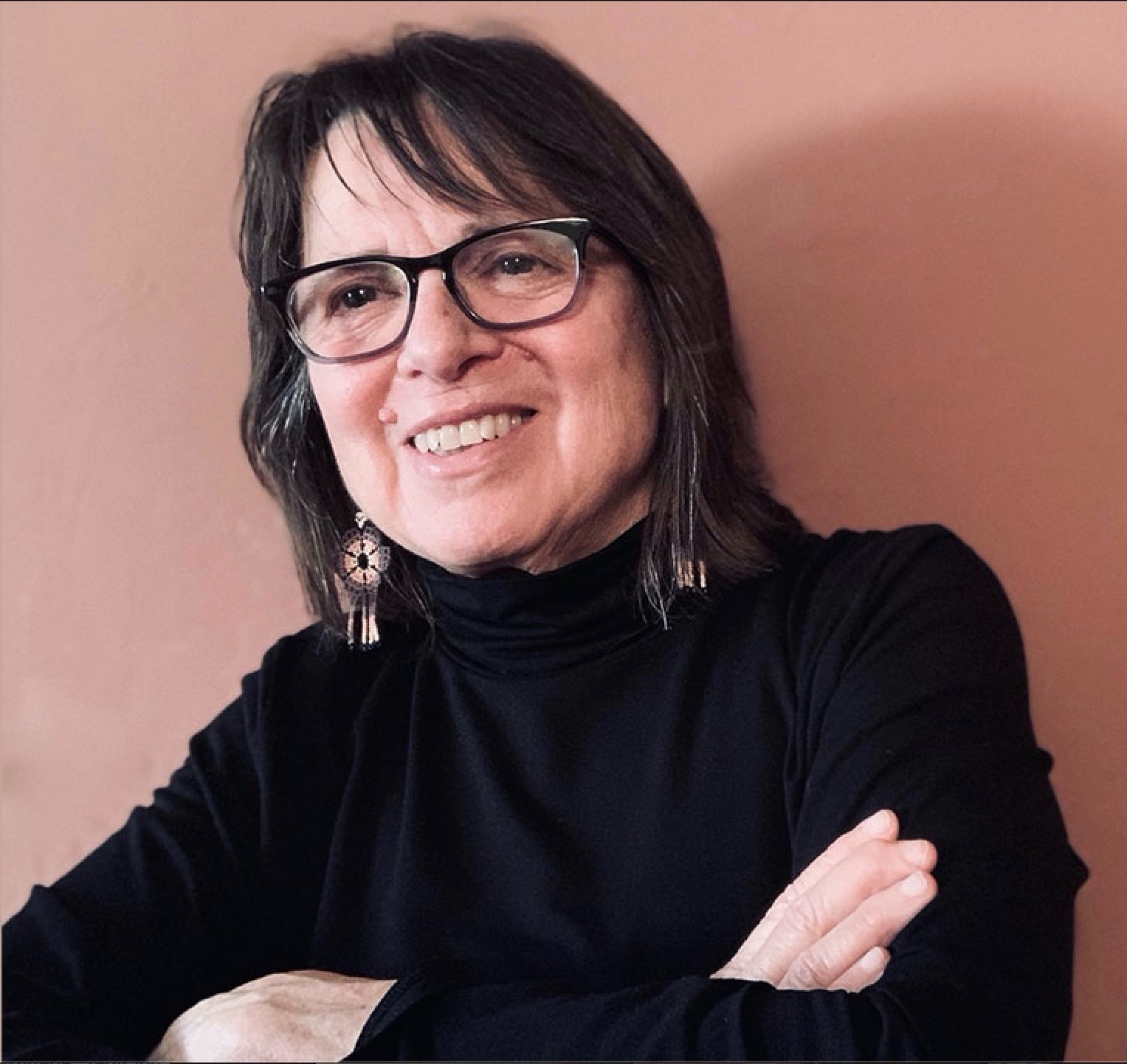
Throughout her career, Moraga has earned numerous accolades, including a Rockefeller Fellowship, the Brudner Prize, and an American Book Award. Her contributions to literature, theater, and the social sciences are widely recognized as pivotal to the evolution of modern critical theory.
Cherríe Moraga has become a voice for those historically marginalized from mainstream cultural discourse. She doesn’t just write literature; she pioneers new ways of understanding identity and justice. Her work has profoundly shaped feminist, queer, and postcolonial studies, paving the way for a new generation of scholars and artists.
The work of Cherríe L. Moraga exemplifies how literature can act as a catalyst for social change. Her writings do more than reflect reality—they forge a new vision for a world where diverse identities are recognized and celebrated. She remains a towering figure in contemporary culture, leaving an impact that extends far beyond the written word.