

Feminism is widespread in the United States of America. For decades, feminists have been fighting to safeguard women’s social and political rights. They also consistently pursue equal rights for men and women. Many feminists were also born in our city, and they actively protect the rights of the beautiful half of humanity. Barbara Jean Hammer is an American film director recognized for her feminist viewpoints. Hammer was also an LGBT activist. Find out more information about the famous American feminist at losangeleska.com.
Childhood and education
The future feminist was born in Los Angeles in 1939. Her father was a gas station owner, and her mother was a secretary. Our countrywoman grew up in Inglewood but moved to Los Angeles to study. Barbara received a master’s degree in literature after graduating from the University of California.
The woman married Clayton Ward, but the couple later divorced.
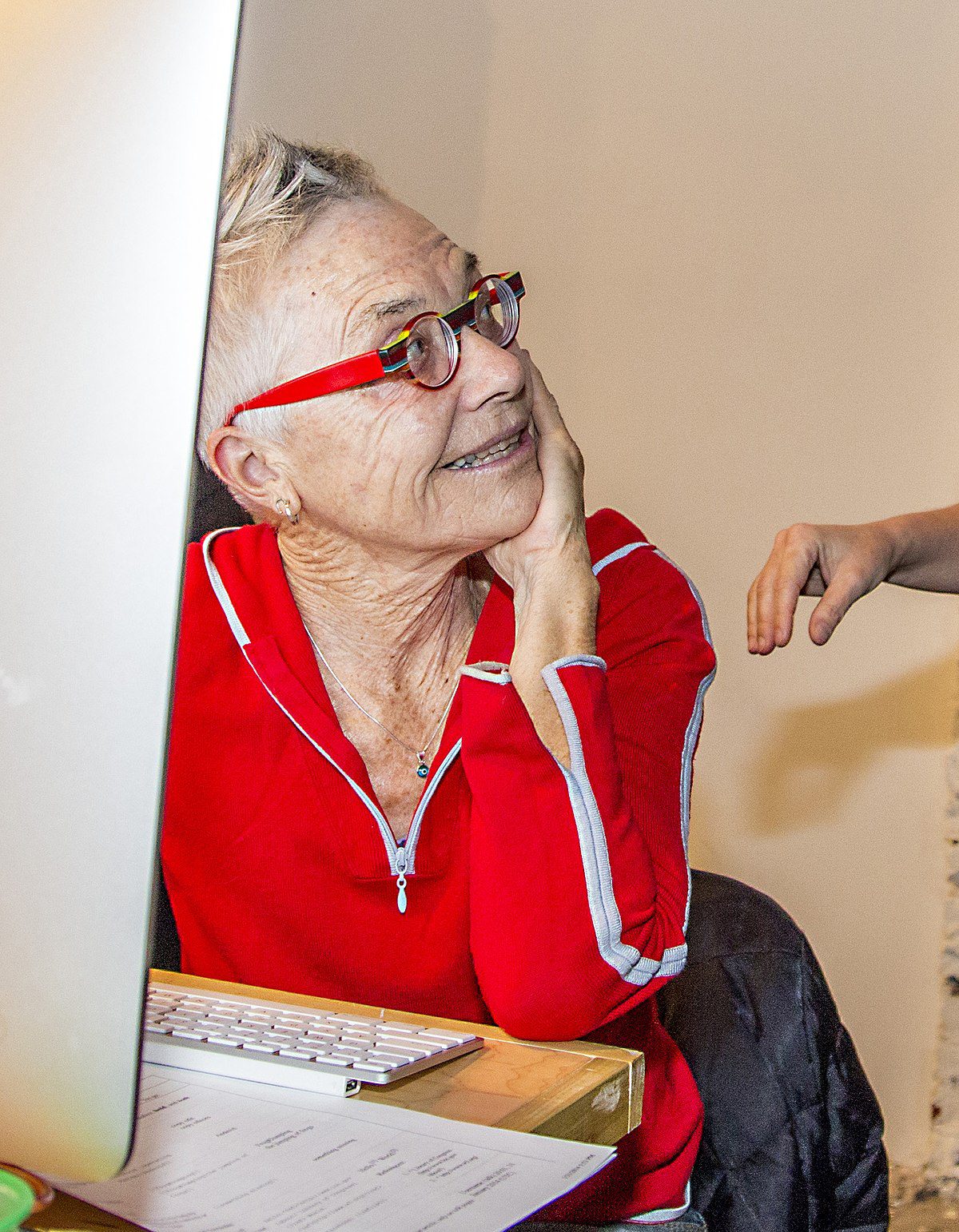
Finding herself, or the moment Barbara decided she had to film a movie
At first, Barbara was fond of drawing, but in the 1960s, she realized she should produce a film. It happened when the woman entered an abandoned house with a camera. Our countrywoman made her debut short film “Schizy” in 1968. We’ll add that Barbara’s film was screened at a local festival and received favorable feedback from the audience. A year later, the filmmaker had already completed her second picture, “Barbara Ward Will Never Die,” which was semi-autobiographical. In the film, she touched on her divorce from her husband.
Later, Barbara Hammer began teaching English at a community college in Santa Rosa and joined a feminist organization. It was about this time that our countrywoman discovered she was a lesbian.
Career development
In 1973, Barbara first saw the short film “Meshes of the Afternoon”. This film impressed our fellow countrywoman by demonstrating how a woman may remove any constraints, veil or fog from her sight. Almost all of the director’s works in the 1970s were devoted to the female body and lesbian themes. During this time, the films “I Was/I Am”, “Dyketactics”, “Superdyke”, “Women I Love”, “Double Strength” and others were produced. It should be noted that Barbara screened her films in feminist groups, cafés and bookshops, among other places. However, not everyone agreed with the director’s view. Barbara Hammer’s early work was even criticized by radical feminists for objectifying the female body.
In the 1980s, our fellow countrywoman made the films “Optic Nerve”, “Would You Like to Meet Your Neighbor? A New York Subway Tape” and “No No Nooky TV”.
In 1992, Barbara made her first feature film, “Nitrate Kisses”. This film was played at several major film festivals.
Following that, our fellow countrywoman produced another film, “My Babushka: Searching Ukrainian Identities.” The film features Barbara’s trip to Ukraine. In fact, the director’s maternal grandmother was from Ukraine.
In 2008, there was another good film, “A Horse is Not a Metaphor”, which is a movie about ovarian cancer therapy. Barbara Hammer suffered from this condition. This film earned the Teddy Award at the 59th Berlin International Film Festival. Already in 2010, our countrywoman received recognition as an experimental filmmaker and LGBT activist.
The famed director and feminist died of ovarian cancer in 2019.
This is Barbara Hammer’s life narrative. We hope that our information was useful to you and that you learned more about the famous countrywoman.