

She is one of the most influential contemporary activists in the US, and her work has fundamentally shifted the global conversation on racial justice. She co-founded Black Lives Matter, a movement born in response to violence against Black Americans that has since become an international symbol of the fight for equality. By blending activism, art, and writing, Cullors pioneers new approaches to driving social change. Her advocacy spans criminal justice reform, LGBTQ+ rights, and the ongoing battle against systemic discrimination. Read more at losangeleska.
Biography
Patrisse Cullors was born on June 20, 1983, in Los Angeles. She grew up in a low-income household in Van Nuys, a neighborhood in the San Fernando Valley. Raised by a single mother as a Jehovah’s Witness alongside her three brothers, Cullors experienced the harsh reality of systemic oppression early on while living in Section 8 public housing. The police violence her brothers endured left a particularly deep mark on her. This shaped her clear understanding of injustice and fueled her drive to fight for human rights.
At 16, Cullors came out as queer and was forced to leave home. She continued to practice her faith for a while but eventually reevaluated her spiritual path, finding a deeper connection within the Ifá religious tradition. Around the same time, her brother Monte was incarcerated. Diagnosed with schizoaffective disorder, he suffered severe abuse in prison, including beatings and being forced to drink toilet water. Cullors has often cited this tragedy as the turning point that pushed her into activism.
Later on, Cullors joined the Bus Riders Union—now part of the Labor Community Strategy Center—and enrolled in a social justice program. This experience introduced her to revolutionary thought, critical theory, and global social movements, cementing her lifelong commitment to activism.
Cullors earned her bachelor’s degree in religion and philosophy from the University of California, Los Angeles (UCLA). She later received a Master of Fine Arts from the University of Southern California (USC). Her worldview was shaped by various intellectual traditions and thinkers. She drew heavy inspiration from writers like Audre Lorde, bell hooks, and Angela Davis, who helped her navigate complex issues surrounding identity, race, and gender.
Identifying as a queer woman, Cullors speaks openly about her identity. In 2016, she married activist Janaya Khan, the co-founder of Black Lives Matter Toronto. Her personal experiences are deeply intertwined with her public advocacy, shaping a holistic and inclusive vision of social justice.
The Founding of Black Lives Matter
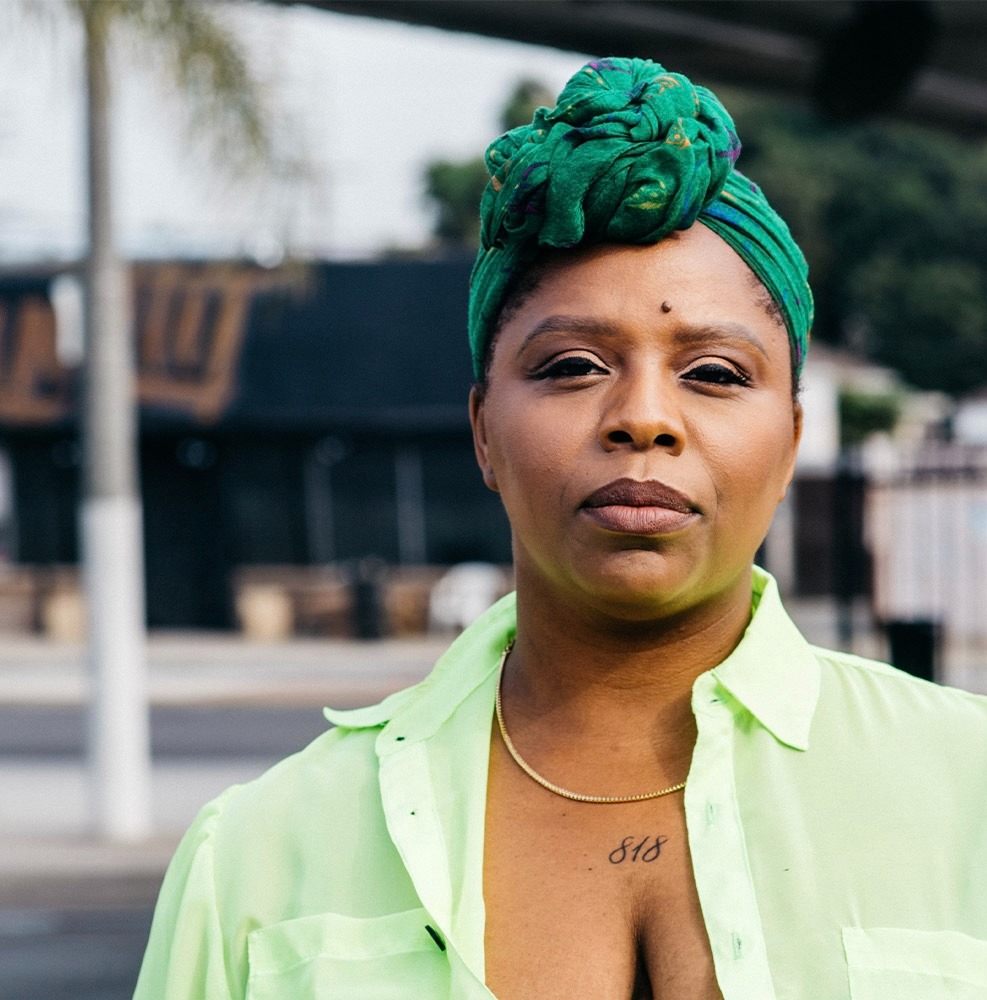
The tragic death of Trayvon Martin in 2012 and the acquittal of his killer in 2013 profoundly shook Patrisse Cullors, Ayo Tometi, and Alicia Garza. Together, they founded Black Lives Matter (BLM) to push back against the systemic violence and discrimination targeting Black Americans, particularly at the hands of law enforcement.
While Ayo Tometi helped build BLM’s online presence through Tumblr and Twitter, Cullors—inspired by Garza’s Facebook post titled “A Love Letter to Black People”—responded by creating the #BlackLivesMatter hashtag. It quickly became the defining symbol of the movement. The organization gradually expanded globally, transforming into a massive platform for fighting racial injustice.
In 2014, the police killing of Mike Brown in Ferguson, Missouri, sparked national outrage. In response, Cullors and Darnell Moore organized the Black Life Matters Ride, bringing together over 600 participants. This pivotal moment led to the creation of local BLM chapters in 18 cities. It built a global network that empowered local leaders and communities to effectively resist state-sanctioned violence.
The Black Lives Matter movement ignited a worldwide conversation about racial inequality and social justice. In a conversation with Mia Birdsong, the movement’s founders highlighted the crucial role of collective action, mutual learning, and supporting one another in the ongoing fight for human rights.
Activism Beyond the Movement
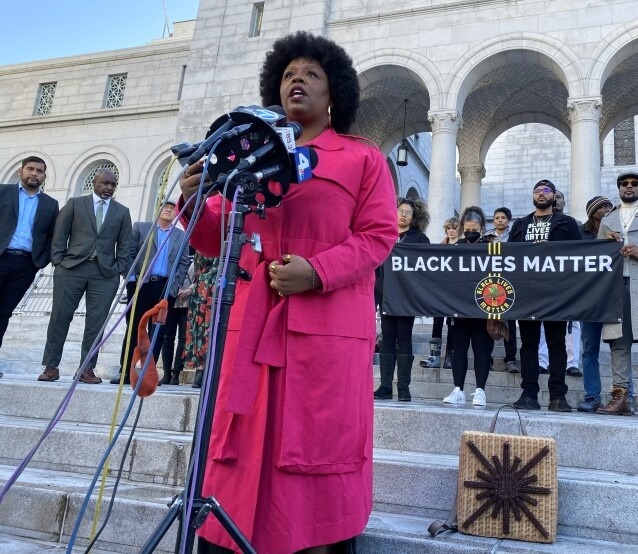
Beyond her work with Black Lives Matter, Cullors has been a driving force in criminal justice reform. She served as the executive director of the Coalition to End Sheriff Violence in L.A. Jails, an organization pushing hard for civilian oversight of law enforcement.
She also co-founded Dignity and Power Now, an initiative focused on creating watchdog mechanisms to monitor police activity. Cullors is a staunch advocate for ending mass incarceration, reforming policing, and promoting a broader, more inclusive understanding of social justice.
Literary Work
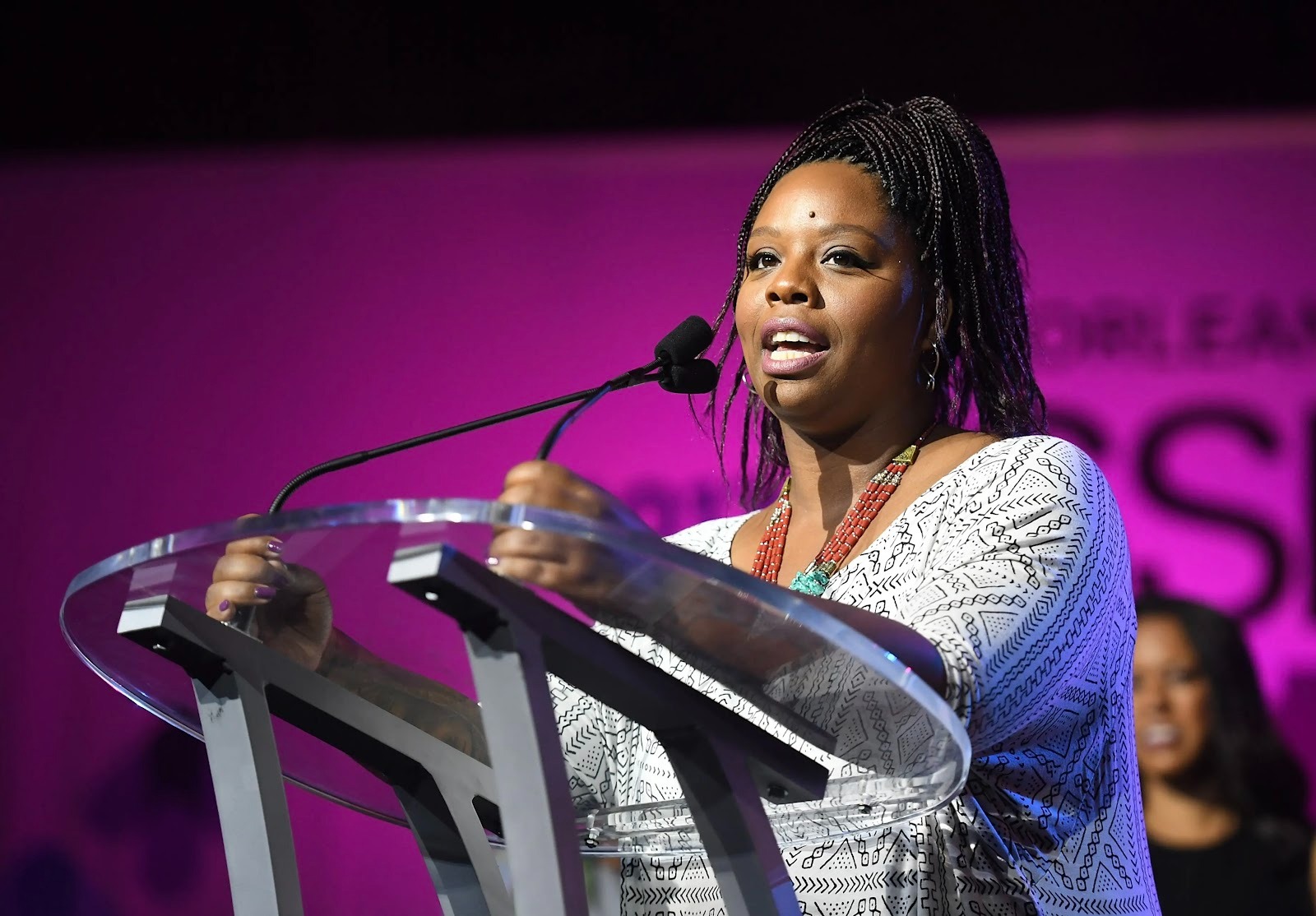
Cullors authored the memoir “When They Call You a Terrorist,” published in 2018. In it, she recounts her life journey and explains how her personal experiences inevitably led to the creation of Black Lives Matter. The book gave a voice to those impacted by systemic violence and actively dismantled the narratives designed to discredit the movement. It earned widespread acclaim and quickly became a New York Times bestseller.
She later published “An Abolitionist’s Handbook,” offering practical steps to dismantle systemic oppression through abolitionist principles. The book emphasizes healing, accountability, and collective action to build a more just society. In addition to writing, Cullors works extensively in art and media, producing theatrical performances and television projects.
Cullors firmly identifies as an abolitionist, fighting to end mass incarceration and the militarization of police. She advocates for reparations and systemic changes to repair the lasting damage of historical injustice. Her approach blends grassroots activism with critical theory, allowing her to analyze and tackle social issues within a broader historical context.
Impact on Society
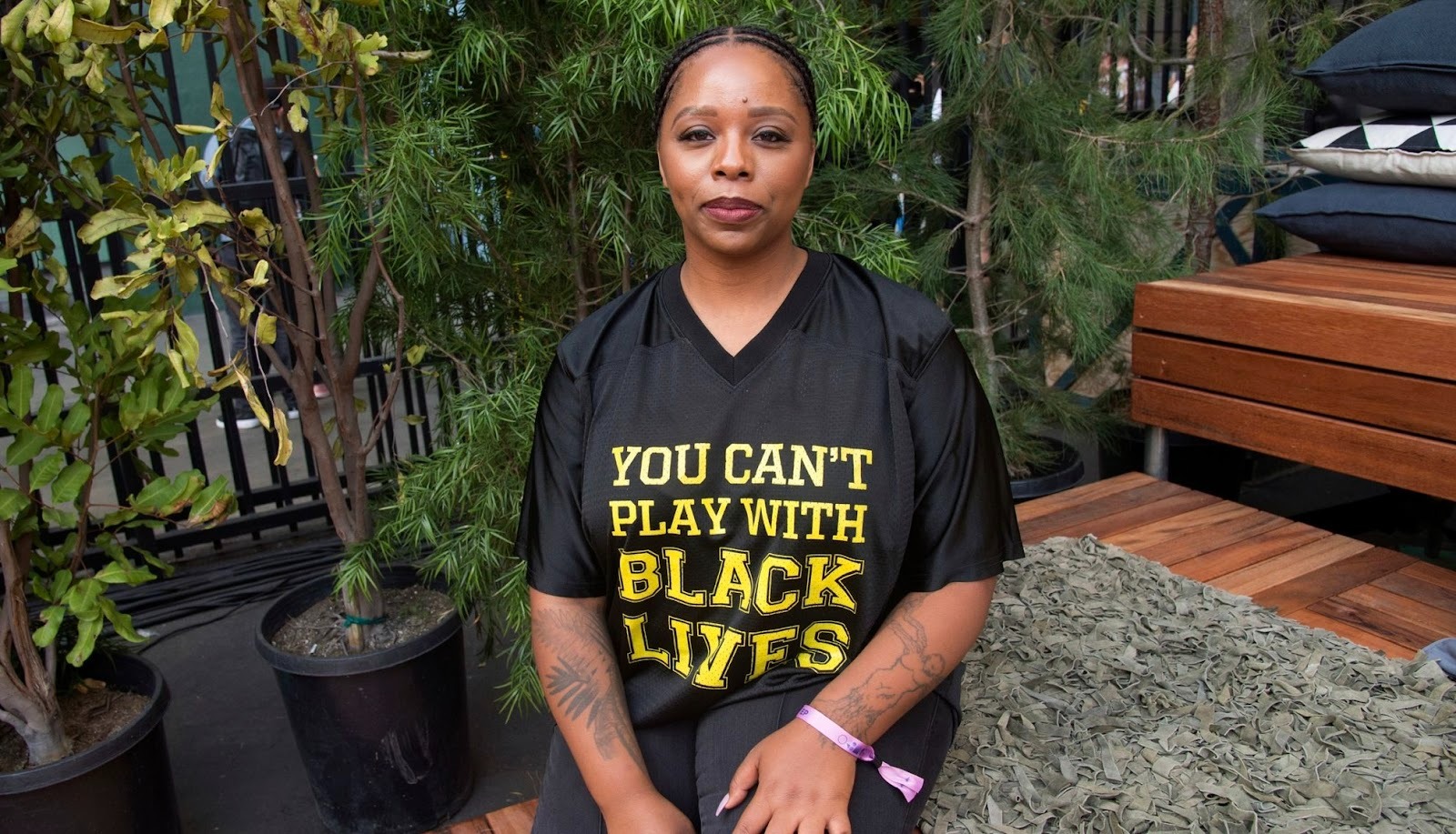
Patrisse Cullors has received numerous awards and accolades for her work. She was named one of Time magazine’s 100 most influential people in the world and featured on the BBC’s 100 Women list. Her honors also include the Black Woman of the Year Award (2015) from the National Congress of Black Women, the Civil Rights Leader for the 21st Century Award (2015) from the Los Angeles Times, and the Community Change Agent Award (2016) from BLACK GIRLS ROCK!. Glamour magazine named her a Woman of the Year alongside other Justice Seekers in 2016, and ESSENCE honored her with its first-ever Woke Award. Her activism continues to inspire new generations fighting for equality and social justice.
However, her work has also faced scrutiny. Media reports have raised questions regarding her personal finances and the movement’s financial management. Cullors has firmly denied any allegations of wrongdoing, characterizing them as targeted smear campaigns designed to discredit both her and the Black Lives Matter movement.
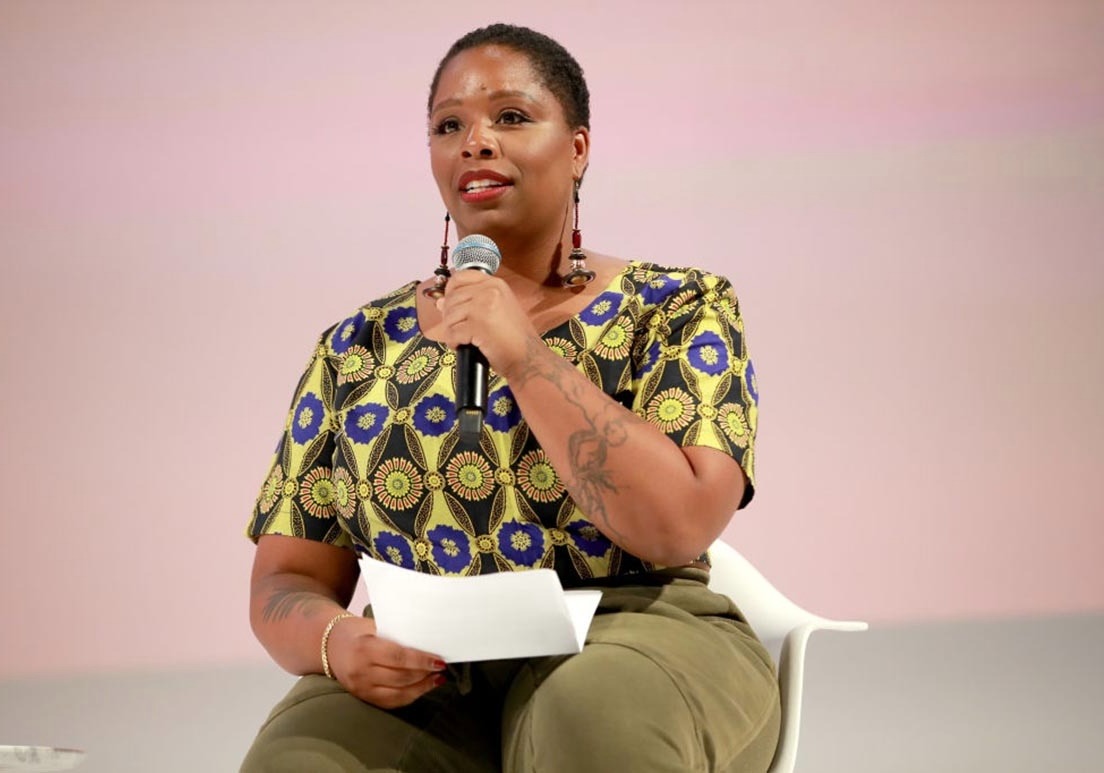
Ultimately, Patrisse Marie Khan-Cullors remains one of the most influential figures in modern activism. Her work has fundamentally reshaped how the world understands racial inequality and the vital role of grassroots movements in securing human rights. By fusing personal experience, intellectual depth, and concrete action, she has forged an entirely new model for social leadership in the 21st century.