

Mary Pickford’s persona is more than just an image; it is the definition of the silent film era. Known affectionately as “America’s Sweetheart,” she was a pioneering actress who masterfully leveraged her cinematic fame to gain unprecedented financial and creative control in Hollywood. Delve deeper into her iconic life and remarkable achievements with losangeleska.
Childhood: The Genesis of a Star
Born Gladys Louise Smith in Toronto in 1892, she achieved enduring recognition under her stage name, Mary Pickford. Her younger brother and sister, Charlotte Smith (Lottie Pickford) and John Charles Smith Jr. (Jack Pickford), also pursued acting careers. After the passing of her father, Gladys’s widowed mother began renting out rooms. A pivotal moment came when one boarder, Mr. Murphy, a stage manager for the Cummings Stock Company, offered seven-year-old Gladys and six-year-old Lottie their very first minor theater parts. This initial exposure served as the spark that ignited their lifelong dedication to the burgeoning motion picture industry.
The Actress, the Mogul, and Her Unique Screen Presence
Pickford’s Hollywood tenure spanned a remarkable five decades, solidifying her reputation as one of the most bankable stars of the silent film age. Launching her film career in 1909, she rapidly became Hollywood’s first female millionaire by 1916. Her filmography includes a total of 52 feature films.
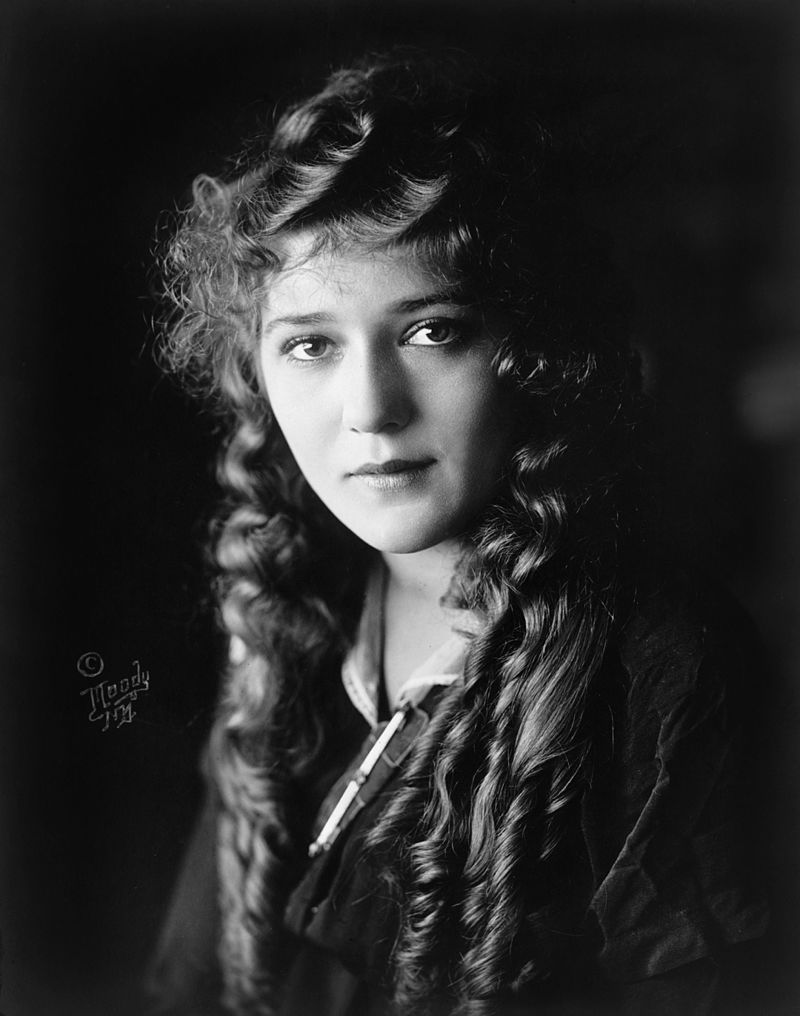
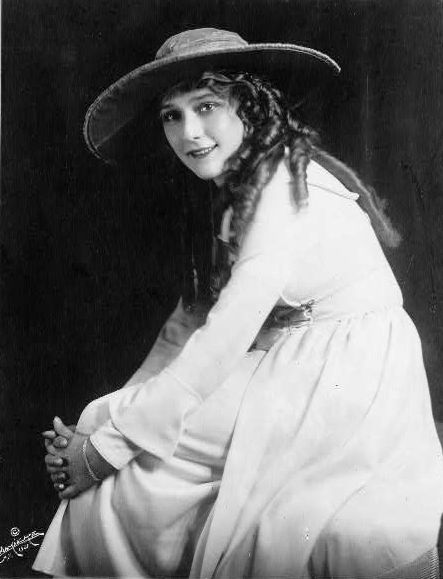
Her signature on-screen persona was the curly-haired, youthful heroine. Even as an adult, she flawlessly portrayed orphans, proud yet impoverished girls, and determined adolescents. Famous examples of this typecasting include “Blondilocks” and “The Biograph Girl.”
Pickford skillfully projected purity, innocence, and emotional fortitude, qualities that deeply captivated the public. This character type is frequently labeled the “ingénue,” a French term describing a sincere, virtuous, and somewhat naive young woman, often featured in a romantic narrative.
Crucially, Pickford was instrumental in steering screen acting toward a new direction. She advocated for a move away from theatrical over-exaggeration toward a nuanced, subtle style of facial expression and gesture—a necessity for the camera’s close-up. Her performances were characterized by elegant simplicity; she expertly conveyed complex emotions without dialogue, relying entirely on her expressive face and refined movements.
She thrived in melodramatic and tragicomic parts, where tears could instantly dissolve into a smile. Despite confronting life’s tribulations, her characters consistently embodied unwavering optimism and a resilient, fighting spirit.
The Unofficial Royalty: “America’s Sweetheart”
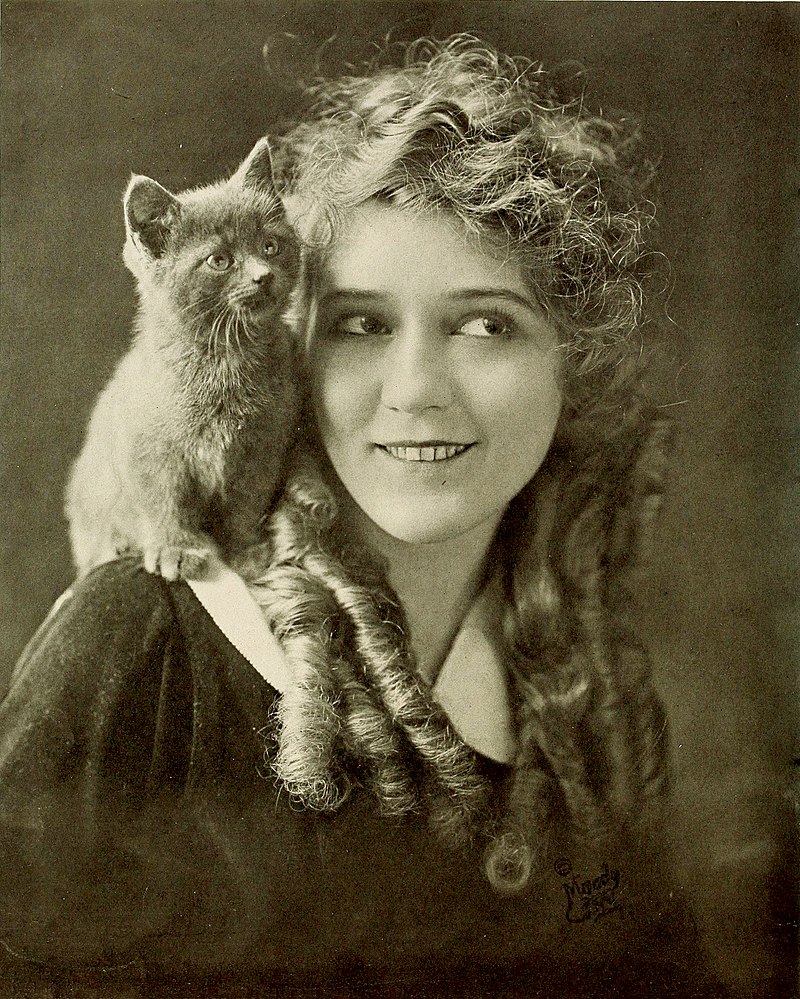
“America’s Sweetheart” is an informal yet prestigious moniker used by media outlets to describe a public figure widely adored and cherished by the general populace. Mary Pickford holds the distinction of being the first celebrity to be honored with this endearing nickname, bestowed upon her by theater producer David Grauman in 1914.
Historically, the title was primarily reserved for popular Hollywood actresses during the Golden Age, though its use has since expanded to include television personalities, musicians, and female athletes.
Pickford: A Business Titan
Mary Pickford exhibited a degree of business savvy that was revolutionary for her era, particularly for a woman. She was a genuine industry magnate and a farsighted Los Angeles businesswoman. Following her skyrocketing popularity, she began to demand and successfully secure complete autonomy over her motion pictures. This encompassing control extended to script selection, choice of directors, and co-stars. She even personally approved marketing campaigns and offered detailed input on the final editing process.
Her powerful position was a direct challenge to the established studio system, leading to her respectful designation as “The Queen of the Movies.”
In 1919, Pickford co-founded United Artists (UA) with cinema legends Charlie Chaplin, Douglas Fairbanks Sr., and D.W. Griffith. This represented a groundbreaking distribution model at the time, offering the actor- and director-founders the revolutionary right to own their films and exercise total creative control, thereby bypassing the powerful studio monopolies.
In 1927, Pickford was named among the 36 original founders of the Academy of Motion Picture Arts and Sciences.
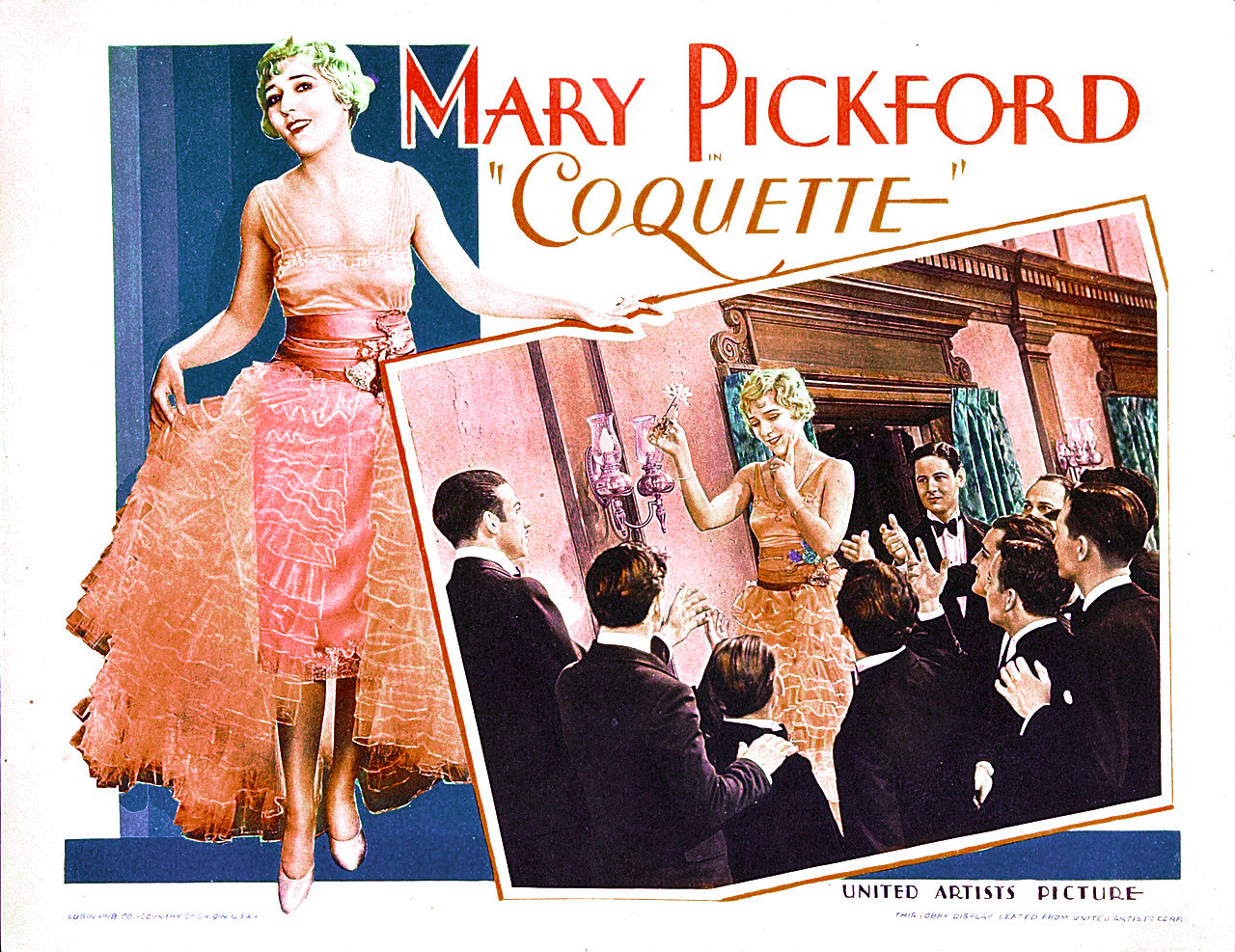
While the first Academy Awards ceremony in 1927–1928 did not feature any nominations for her, she received an Oscar in April 1930 for her starring role in her first sound film, *Coquette*. She played Norma Besant, the flirtatious daughter of a Southern physician surrounded by many admirers. Despite her vast stage and silent film experience, the actress was noticeably anxious about how her voice would register on screen. She was later honored with a special Academy Award in 1975 for her monumental contributions to the art of cinema.
Mary’s commitment to producing focused on delivering high-quality entertainment. She relentlessly pursued perfection, resulting in prestigious and commercially successful feature films. As a producer, she maintained hands-on involvement through every stage of a film’s development.
Life and Romance in the City of Angels
The actress married three times. Her first husband was Owen Moore, an Irish silent film actor. Their intermittent marriage was fraught with tension due to Moore’s alcoholism, his personal insecurity regarding his wife’s greater fame, and episodes of domestic abuse.
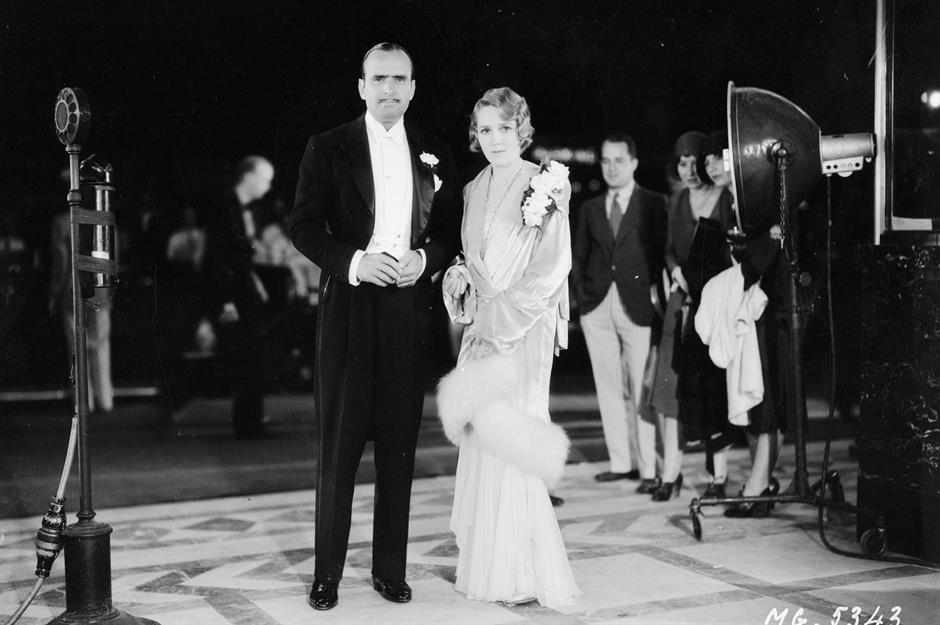
In 1916, Mary Pickford and Douglas Fairbanks Sr. began a clandestine relationship while both were still married. They officially wed in 1920 and took up residence in Fairbanks’s Beverly Hills home. He presented the property to her as a wedding gift, and the estate soon became famously known as “Pickfair” (a clever combination of their surnames). The couple reigned supreme as the undisputed King and Queen of Hollywood until their divorce on January 10, 1936.
On June 24, 1937, Pickford married for the third time to actor and bandleader Charles “Buddy” Rogers. They adopted two children: Ronald in 1943 (born 1936) and Roxanne in 1944 (born 1942). The children were 7 and 2 years old at the time of adoption, and their relationship with Mary was reportedly strained. The PBS *American Experience* documentary suggests the actress was critical of their physical attributes: Ronald for being short and Roxanne for having crooked teeth. The family eventually lived at the B Bar H Ranch in California, which they later sold.
Final Years and Lasting Legacy
After retiring from acting, Mary Pickford grappled with alcoholism. She progressively withdrew from public life, adopting a solitary existence. On May 29, 1979, she passed away at Santa Monica Hospital from complications following a cerebral hemorrhage suffered one week prior. She is interred in the Garden of Memory at Forest Lawn Memorial Park in Glendale, California.
The Pickford Center for Motion Picture Study, located at 1313 Vine Street in Hollywood, is dedicated in her memory. Moreover, she is commemorated with a Motion Pictures star on the Hollywood Walk of Fame at 6280 Hollywood Blvd.
The Mary Pickford Theater, housed on the third floor of the Library of Congress’s Madison Building, is named in her honor. Furthermore, the first Mary Pickford movie theater opened in Cathedral City, California, in 2001.
Since 2013, the Mary Pickford Foundation has sponsored The Pickford Composers and The Pickford Ensemble programs at Pepperdine University.
Mary Pickford is immortalized in history as the woman who embodied poignant emotionality on screen while operating as a fierce, uncompromising businesswoman behind the scenes. She remains one of the seminal figures who indelibly shaped the foundations of early Hollywood.
Sources: