

Los Angeles Chinatown (L.A. Chinatown) is a living archive of Chinese-American history. Among its most vibrant and celebrated traditions is the annual Miss Los Angeles Chinatown beauty pageant, which is part of the larger Miss Chinatown USA tradition. The pageant quickly evolved from a local promotional event designed to attract tourists to a complex sociocultural phenomenon. You can learn more about the evolution of this beauty contest and the changing judging criteria for contestants from losangeleska.
History of the Pageant
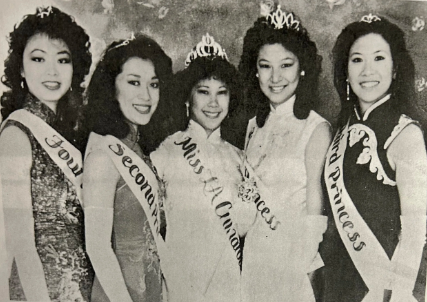
Established in 1963, this annual competition traditionally selects outstanding young women from the Greater Los Angeles area to serve as cultural ambassadors for the Chinese-American community.
The pageant is sponsored by the Los Angeles Chinese Chamber of Commerce to highlight the contestants’ talents, leadership qualities, and dedication.
The title of “Miss Los Angeles Chinatown” was first awarded in 1963 to Christine Lee, who is also referred to as the “Queen.”
The winners of the pageant have always been distinguished by their eloquence, served as role models, and demonstrated the desire and readiness to become the next generation of leaders in the Chinese-American community.
It is especially noteworthy that the “Miss Los Angeles Chinatown and Her Court” receive the opportunity to represent the community and participate in cultural exchange. This broadens their perspectives while simultaneously deepening their connection to their heritage.
A Cultural Surge
The Chinatown district in Los Angeles has historically been a hub for cultural activity and media engagement. Bruce Lee was a landmark figure in cinema and a major popularizer of martial arts. In this very neighborhood, he opened a martial arts school and was an integral part of the filming for the 1960s TV series “The Green Hornet.”
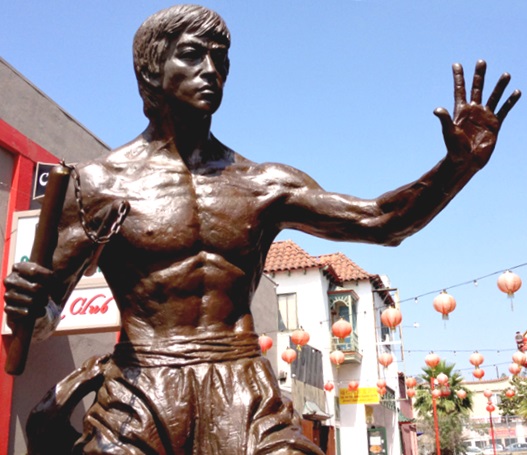
In Chinatown, Bruce Lee spoke Cantonese and felt at home. A 7-foot (2.1-meter) bronze statue was even erected in his honor, serving as a cultural center for his fans. The statue was brought from Guangzhou, China, by his daughter, Shannon Lee, who spent over five years making the project a reality. This is the largest Bruce Lee statue in California. Its unveiling took place on June 15, 2013, followed by its ceremonial installation on September 28, 2018. Shannon Lee and California State Senator Kevin de León were present at the ceremony.
While Bruce Lee was not directly involved in the Miss Los Angeles Chinatown pageant, he became a figure who provided significant cultural resonance. He shattered the racist and stereotypical caricatures of Asian men in Hollywood. He created a new, dignified, and strong image with which the entire Chinese-American community could identify. This image subsequently influenced the further evolution of the judging criteria for the female contestants.
Evolving Criteria: From Looks to Identity
In the early stages of the competition (before the 1970s), the main focus was on attracting tourists to Chinatown and promoting traditional Chinese culture. Primary attention was given to physical attractiveness, traditional grace, and presenting the participants in festive attire (such as the cheongsam dresses). While not mandatory, speaking Chinese was a welcome advantage.
During the 1980s and 1990s, there was an increasing focus on education and professional ambitions. Requirements for intellectual level and public speaking skills became stricter. A requirement was introduced to confirm Chinese heritage (a minimum of 25%).
Since the 2000s, the main focus has shifted to leadership, the status of a cultural ambassador, and community service.
Current requirements for contestants are as follows:
- Age between 18 and 27 years;
- Marital status – single, never married;
- Heritage – at least 25% Chinese descent;
- Personal qualities: confidence, compassion, a desire to promote Chinese heritage, and dedication to volunteering. The winning contestant must set an example, embodying the values of respect, cultural pride, and service. She plays a crucial role in fostering cultural understanding and community engagement.
Training Program
The training program is a vital component of the pageant. It was developed not only for the competition itself but also to prepare the young women for their role as ambassadors. As such, participants develop the following essential skills:
- First and foremost is teamwork. Contestants collaborate with other participants and organizers, which fosters a sense of camaraderie and community. Participants gain a deep understanding of the Chinese-American community, researching its history and its role in development.
- Networking to expand personal and professional horizons. This involves constant interaction with professionals, community leaders, and other participants.
- Confidence in public speaking and effective communication before large audiences. This is a necessary quality for public appearances. Mock interviews with judges teach contestants to think quickly, articulate their thoughts clearly, and navigate challenging situations with poise and grace.
- Participants learn walking techniques, focusing on correct posture, balance, and elegance.
- Contestants study choreography and group performance for the opening dance. They improve organizational skills and learn to manage multiple commitments effectively.
- Self-discipline (meticulous preparation for the competition, public appearances, maintaining physical fitness) and personal branding (the ability to present oneself professionally).
Social and Political Role
This esteemed tradition has contributed to the development and empowerment of a generation of Chinese-American women as leaders and cultural ambassadors.
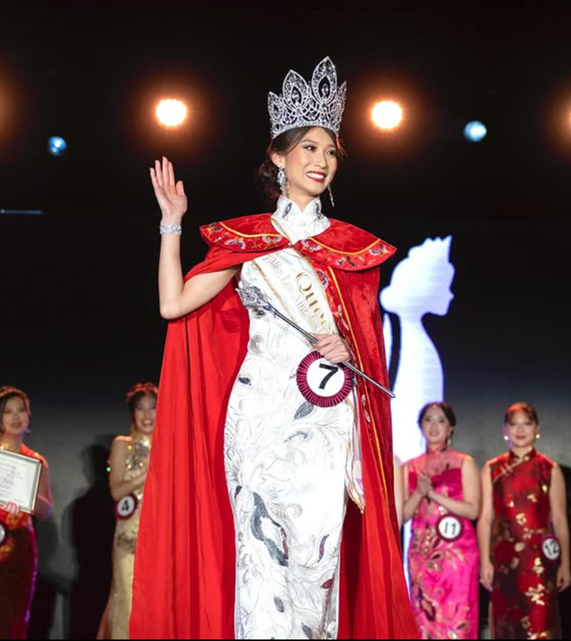
To be crowned Miss Los Angeles Chinatown means embracing great responsibility and honor simultaneously. The title embodies a rich legacy and symbolizes the pride of the Chinese-American community. The winner embodies the values and spirit of the heritage with exceptional grace and dedication.
She inspires the younger generation, helping them understand and embrace Chinese culture and its heritage. Their collective work helps make a positive contribution to society.
The Pageant in the Modern Era
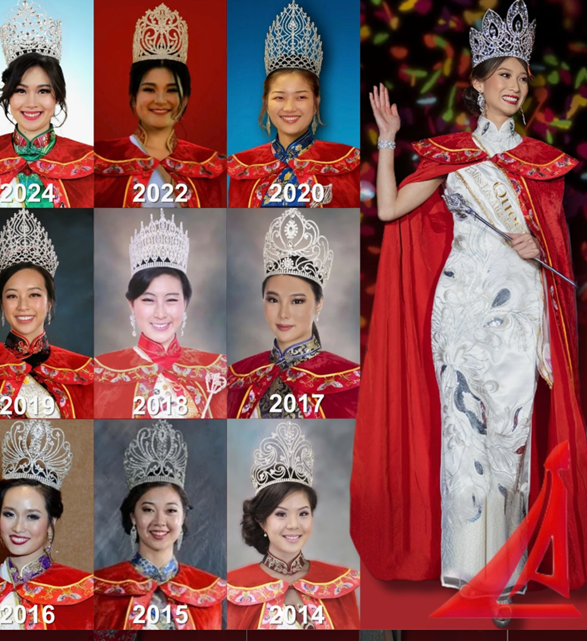
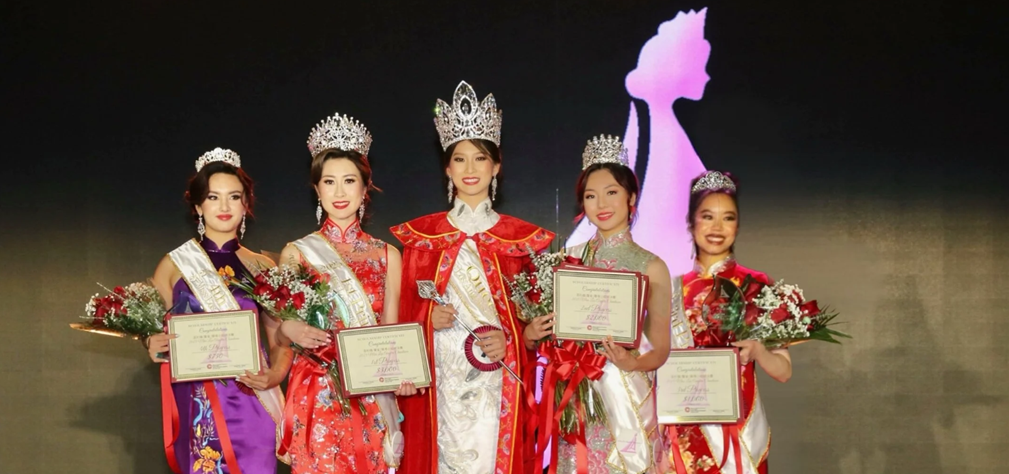
In 2025, the winner was Nina Koh, along with her four princesses: First Princess Ashley Mei Gong, Second Princess and Miss Congeniality Jennitine Chang, Third Princess Michelle Dupont, and Fourth Princess Terena Phan. These incredible women embody grace, intelligence, and leadership. They continue to nurture the culture and their community. As ambassadors for Chinatown, they will participate in all cultural celebrations and community service throughout the year.
The winners receive generous scholarships and exciting opportunities to advance their educational and career aspirations. For instance, this includes financial support for tuition, books, or other academic expenses. This enables young women to achieve their highest ambitions. The pageant’s website states that the winner receives a $3,000 scholarship, the First Princess receives $2,000, the Second receives $1,500, the Third receives $1,000, and the Fourth receives $750. The Miss Congeniality scholarship is $500.
The Miss Los Angeles Chinatown 2026 pageant is scheduled to take place on February 8th.
The Pageant’s Legacy
«Miss Los Angeles Chinatown» has journeyed from a commercial tool for stimulating tourism to a powerful platform that supports young women in their educational and community endeavors. The pageant also reflected the dual experience of Chinese-American women, who balanced respect for cultural heritage with integration into the Western world.
Despite the persistent criticism often directed at traditional beauty pageants, «Miss Los Angeles Chinatown» has proven its resilience and ability to adapt to new social and feminist demands. The annual event has effectively transformed into a scholarship and community mentorship program.
The legacy of the beauty pageant lies in its continued ability to provide a voice, funding, and a platform for the next generation of conscious women leaders.
Sources: