

Judith Baca is one of the most prominent figures in American public art. Her work seamlessly blends artistic practice with social activism and education. She is widely known as the co-founder of the Social and Public Art Resource Center (SPARC) and the driving force behind the Great Wall of Los Angeles—one of the largest collaborative murals in the world. Her art aims to re-examine history, represent marginalized communities, and ensure that creativity remains accessible to everyone. Read on at losangeleska.
Biography
Judith Baca was born on September 20, 1946, in the Watts neighborhood of Los Angeles to a Mexican American family. She grew up in a strong matriarchal household alongside her mother, aunts, and grandmother, who was a healer and practiced curanderismo. This early environment forged her deep connection to Chicano culture. It also shaped her lifelong understanding of the vital role women play in their communities.
When her family moved to Pacoima, Baca faced intense cultural isolation. At school, she was strictly forbidden from speaking Spanish. During this challenging time, art became her primary outlet for self-expression. Encouraged by a supportive teacher, she began to draw and paint.
Baca attended California State University, Northridge (CSUN), earning her bachelor’s degree in 1969 and a Master of Fine Arts in 1979. During her studies, she realized that traditional gallery art only reached a limited audience. She made a principled decision to create art for the people, completely outside institutional walls. She wanted to work directly with communities that rarely visited museums, using creativity to drive real social change.
First Community Projects
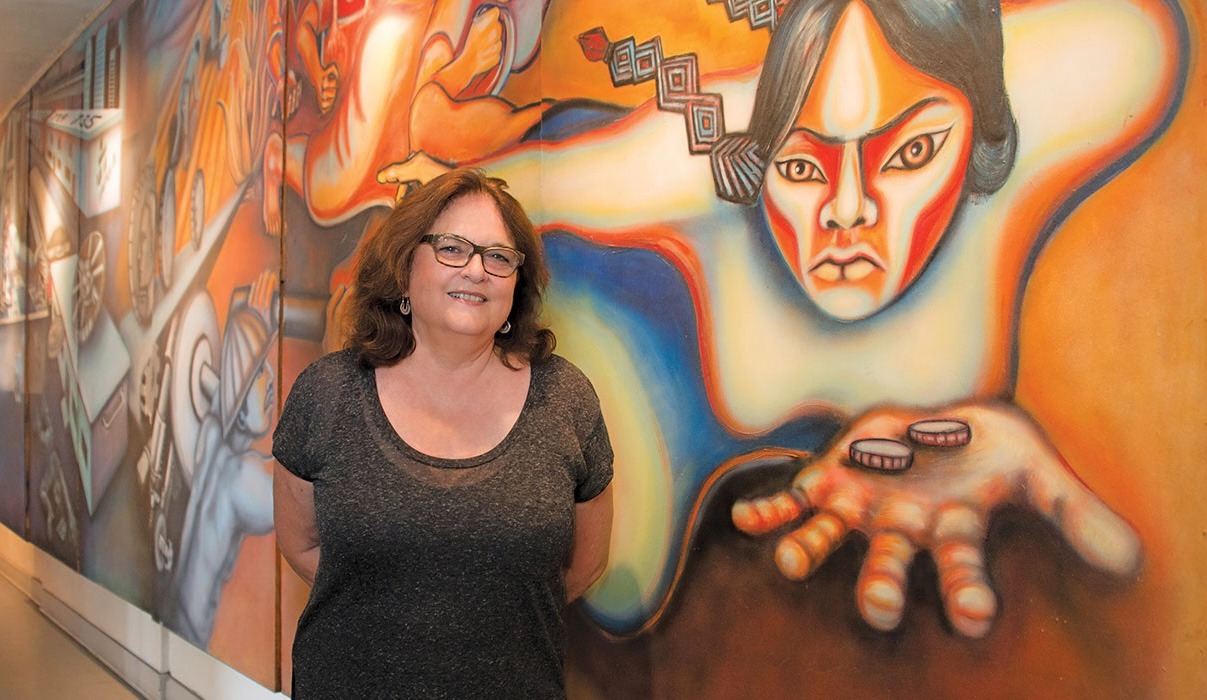
In 1970, Baca launched her first major project in Boyle Heights. She brought together members of rival youth gangs to form a collective called Las Vistas Nuevas. Their goal was to paint murals that reflected the authentic Mexican American experience. One of their earliest pieces, Mi Abuelita, became a powerful symbol of family values and the matriarch’s central role. This project showcased Baca’s unique approach: using art as a tool for conflict resolution and social integration. She later spearheaded a citywide mural program in Los Angeles, overseeing the creation of over 500 murals and engaging hundreds of youth, particularly at-risk teens, in the process.
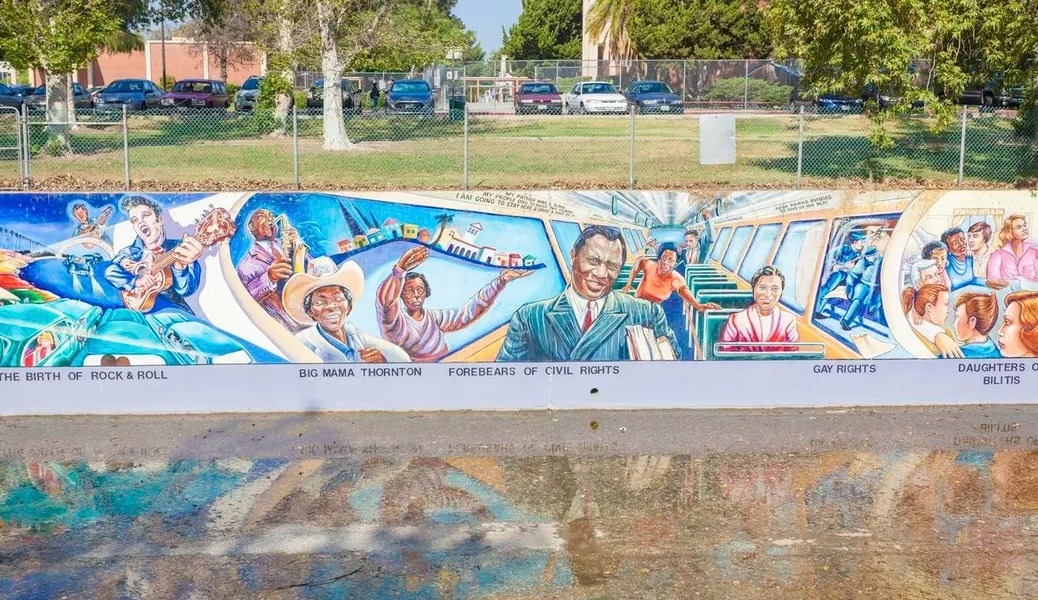
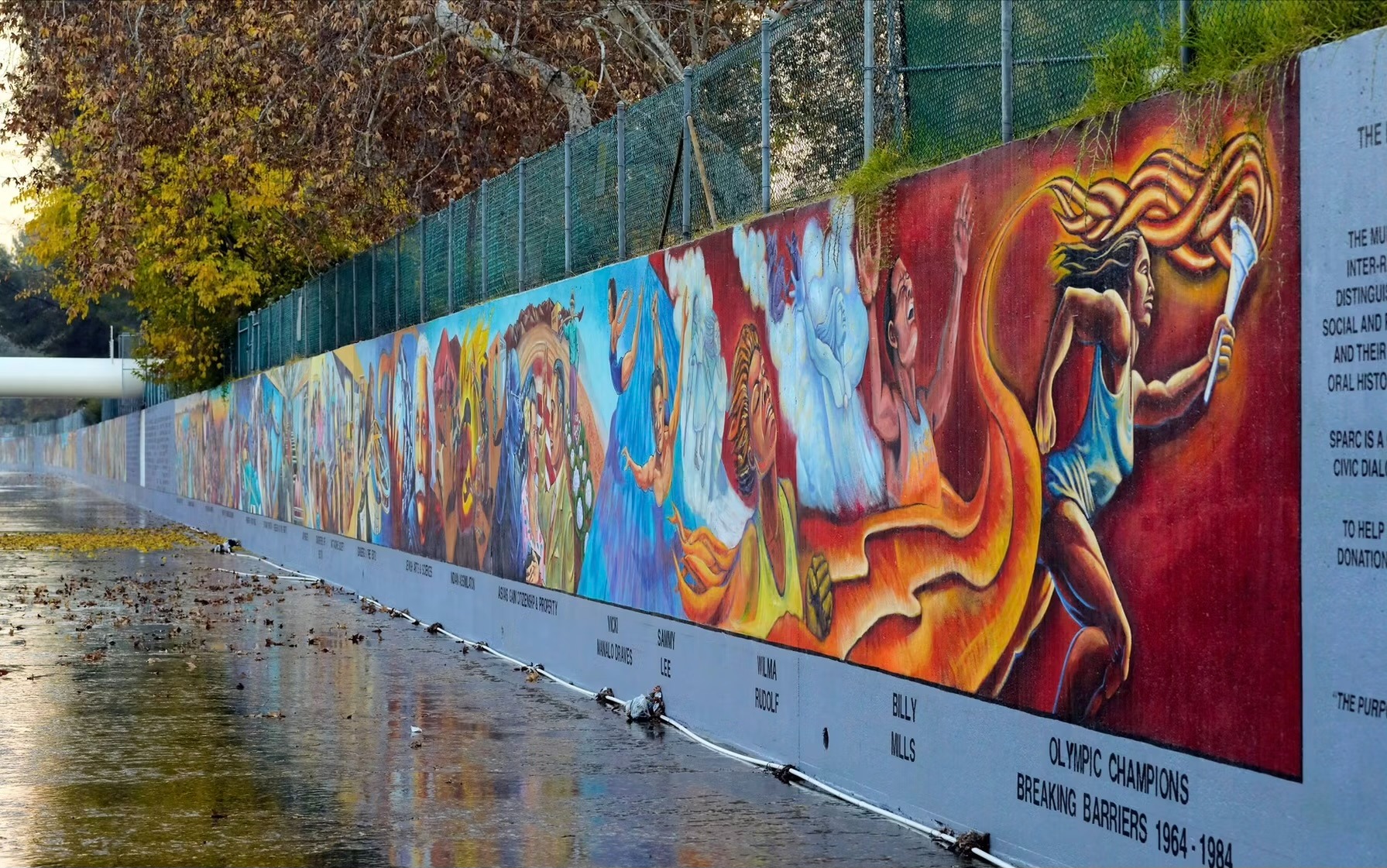
In 1976, Baca founded SPARC, which quickly became a powerhouse for public art development. The center’s most famous undertaking is the Great Wall of Los Angeles, a massive mural stretching along the Tujunga Wash. The Great Wall serves as a sweeping visual history of California, spotlighting events and communities frequently left out of official textbooks. Hundreds of people from diverse backgrounds and age groups collaborated on the monumental piece. The mural wasn’t just an artistic triumph; it was a groundbreaking social experiment that proved art could truly unite a community.
Baca is also a fierce advocate for preserving Los Angeles’s rich mural heritage. Through initiatives like the Mural Rescue Program, she works to restore and conserve both traditional painted murals and modern digital works that hold deep cultural significance for local neighborhoods.
A massive part of her practice involves preserving historical memory. Baca conducts extensive research and interviews local residents to inform her art. By collaborating directly with historians and eyewitnesses, she helps construct alternative narratives of American history. This grassroots approach was heavily utilized during the creation of the Great Wall, bringing previously erased historical events into the public eye.
The artist has also been featured in major international exhibitions and scholarly projects. A notable example is the Xican-a.o.x. Body exhibition, which explores the profound contributions of Chicano artists to the global art world. Showcased at major US cultural institutions, this project marked a vital step in recognizing Chicano art on a global scale.
Baca frequently speaks at international public art conferences, where she champions collective creativity as an engine for social change. Her unique blend of art, education, and activism continues to shape modern urban art practices and cultural policies today.
Artistic Approach
Baca’s art tackles heavy themes like identity, migration, historical memory, and social justice. In Raspados Mojados, she explores the immigrant experience by transforming a traditional street vendor’s cart into a poignant art object. Her installation Las Tres Marías dissects female archetypes within Chicano culture. Her work is heavily symbolic, effortlessly weaving her personal experiences into broader social contexts. In Los Angeles, she actively participated in feminist “consciousness-raising” groups. These open discussions allowed her to connect with women from all walks of life, drastically expanding her perspective on women’s potential in society.
Her art and social activism go hand in hand. Baca uses muralism as a literal conflict resolution tool, particularly when working with youth from tough backgrounds. Through the power of collaborative art, she helps marginalized teens channel their frustration and aggression into something beautiful and constructive.
In 1987, Baca launched The World Wall: A Vision of the Future Without Fear. This ambitious project brought together artists from across the globe to create a series of portable mural panels envisioning a world free of violence. She also painted the acclaimed La Memoria de Nuestra Tierra for the Denver International Airport, a stunning tribute to the stories of migration and the shared human experience.
Educational Work
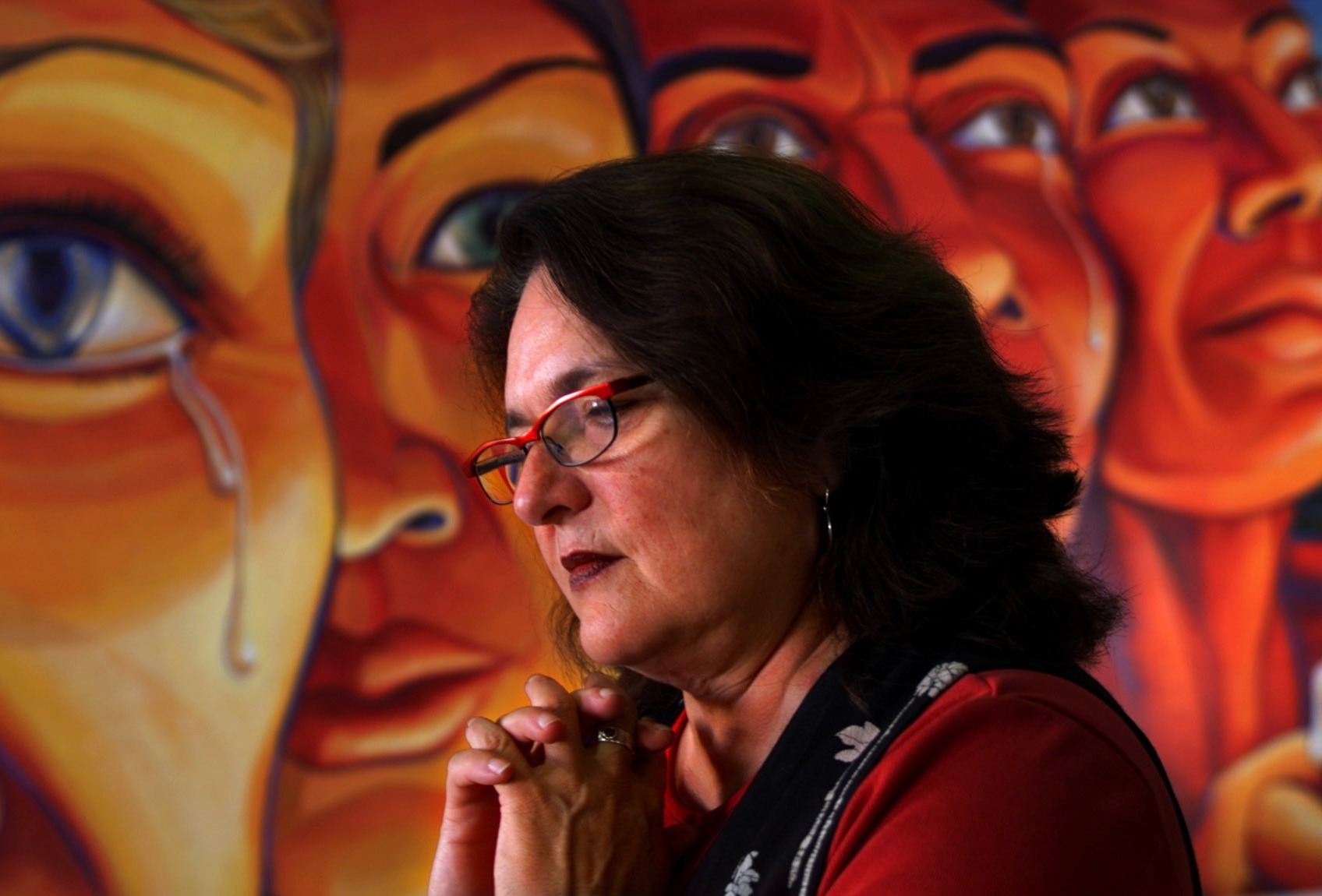
Baca has taught at some of the country’s top universities. At the University of California, Los Angeles (UCLA), she served as a professor of Chicana/o Studies and World Arts and Cultures. She also co-founded the César E. Chávez Center for Interdisciplinary Instruction. Her teaching heavily emphasized critical thinking and encouraged students to dive into socially engaged art. Through various artist-in-residence programs, she explored art’s immense potential to spark societal change. By bridging hands-on art practice with cultural theory, Baca has helped forge entirely new approaches to public art.
Today, Baca continues to spearhead projects centered on cultural memory and immigration, such as the New Codex-Oaxaca initiative. She remains heavily involved in mural preservation efforts. However, her career hasn’t been entirely without controversy. In 2026, allegations surfaced regarding SPARC’s financial management—claims that both the artist and the organization have strongly denied.
Judith Baca is an artist who fundamentally changed how we view art’s role in society. Her works do more than just record history; they actively shape it. She has proven time and again that art can be a formidable tool for social change, capable of uniting divided communities and giving a powerful voice to the voiceless. Her own life experiences remain the bedrock of her visionary and unmistakable artistic voice.