

Nora Ephron stands as one of the most influential cultural figures of the late 20th and early 21st centuries. She seamlessly blended the talents of a journalist, screenwriter, director, and playwright to forge a unique style that would define the romantic comedy for generations. Her work is celebrated for its sharp wit, keen psychological insight, and an uncanny ability to tackle complex subjects with ease and humor. Ephron’s career spanned decades, moving from trailblazing journalism at top American publications to creating iconic films and stage productions that remain relevant today. Read on at losangeleska.
Biography
Nora Ephron was born on May 19, 1941, in New York City but grew up in Beverly Hills, California, an environment steeped in the film industry. Her parents, Phoebe and Henry Ephron, were accomplished screenwriters and playwrights, which heavily influenced her future path. Despite the family’s outward success, Ephron’s childhood was difficult; her parents struggled with alcoholism, and her mother died of cirrhosis in her early 50s. As the eldest of four sisters, this early loss of stability shaped her worldview and future work. In her essays, she often credited her mother for instilling in her and her sisters the belief that they could “do anything,” regardless of their gender—a core part of her life’s philosophy.
She attended Wellesley College, where she studied political science. From a young age, she dreamed of becoming the next Dorothy Parker, the famed satirist and journalist. This early ambition shaped her signature ironic style and penchant for sharp social commentary.
After graduation, she moved to New York City and briefly interned at the White House during the Kennedy administration. Breaking into journalism wasn’t easy; she was initially denied writing jobs due to gender bias, a theme that would later fuel her early essays. She eventually landed columns at publications like “Esquire”, “Cosmopolitan”, and “The New Yorker”, writing about gender, culture, and society with a bold and incisive voice. Her essay “A Few Words About Breasts” became a landmark piece, not only drawing attention to her style but cementing her reputation as a writer who wasn’t afraid to tackle taboo subjects. Her journalism experience honed her ear for sharp dialogue and vibrant characters, which later became the foundation of her screenwriting.

Breakthrough in the Film Industry
Nora Ephron’s true breakthrough came in Hollywood. Her screenplay for “When Harry Met Sally…” (1989) became an instant classic, earning her a BAFTA Award. The film not only defined the modern rom-com but was also named one of the greatest screenplays of all time by the Writers Guild of America. Ephron’s dialogue became legendary, and the line “I’ll have what she’s having” has since become one of the most famous quotes in American cinema.
She also earned Academy Award nominations for her work on “Silkwood” (1983) and “Heartburn” (1986). These films skillfully blended pressing social issues with deeply personal stories, a hallmark of her distinctive style.
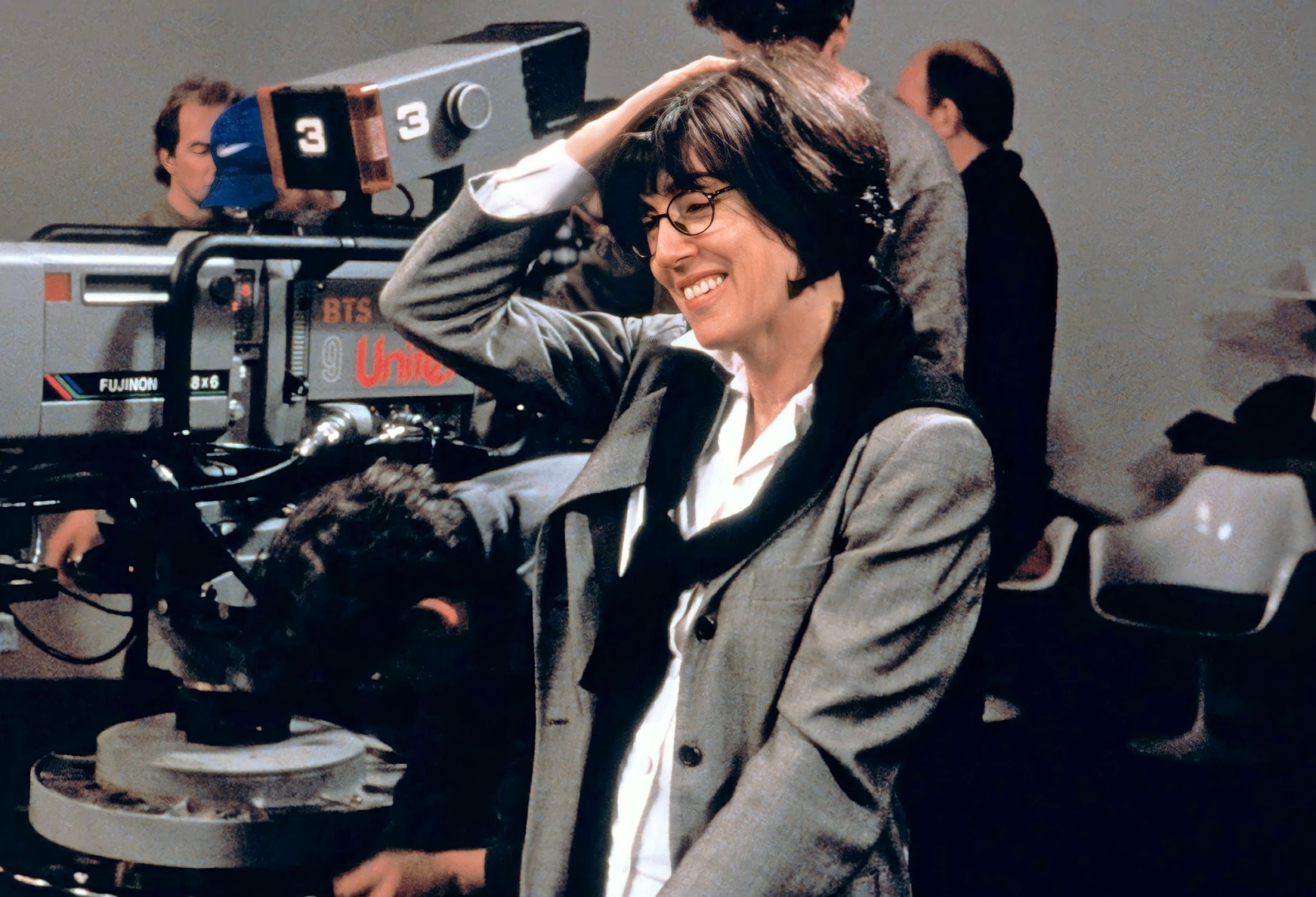
In the 1990s, Ephron launched her directing career, creating a string of iconic films. Among her most celebrated works are:
- “Sleepless in Seattle” (1993);
- “You’ve Got Mail” (1998);
- “Michael” (1996);
- “Julie & Julia” (2009).
Ephron made her directorial debut in 1992 with “This Is My Life”. The very next year, she directed one of her most beloved films, “Sleepless in Seattle”. Starring Tom Hanks and Meg Ryan, the movie became an international smash hit, grossing over $120 million. In 1998, she reunited the iconic duo for “You’ve Got Mail”, which explored a budding romance in the dawn of the internet age. The film continued her successful exploration of love in a technology-driven world, earning hundreds of millions at the global box office.
Her 2005 film “Bewitched” received mixed reviews, but Ephron quickly bounced back. In 2006, she returned to literature with the bestselling book “I Feel Bad About My Neck”, a collection of witty and poignant essays on aging, memory, and the female experience.
In 2009, she directed “Julie & Julia”, which masterfully wove together the parallel stories of chef Julia Child and a modern-day blogger. The film was a critical and commercial success. These movies have become classics of the genre, and her collaborations with actors like Tom Hanks and Meg Ryan created a signature brand of “intelligent romanticism.” Ephron knew how to portray love as a process that was complex, ironic, but always deeply human.
Literary and Stage Work
Beyond film, Nora Ephron was a vibrant force in the theater world. Her play “Imaginary Friends” was celebrated as one of the best theatrical works of the 2002-2003 New York season. She also co-authored the hit Off-Broadway production “Love, Loss, and What I Wore”, which was a success in the U.S. and abroad. Her final play, “Lucky Guy”, earned a Tony Award nomination posthumously.
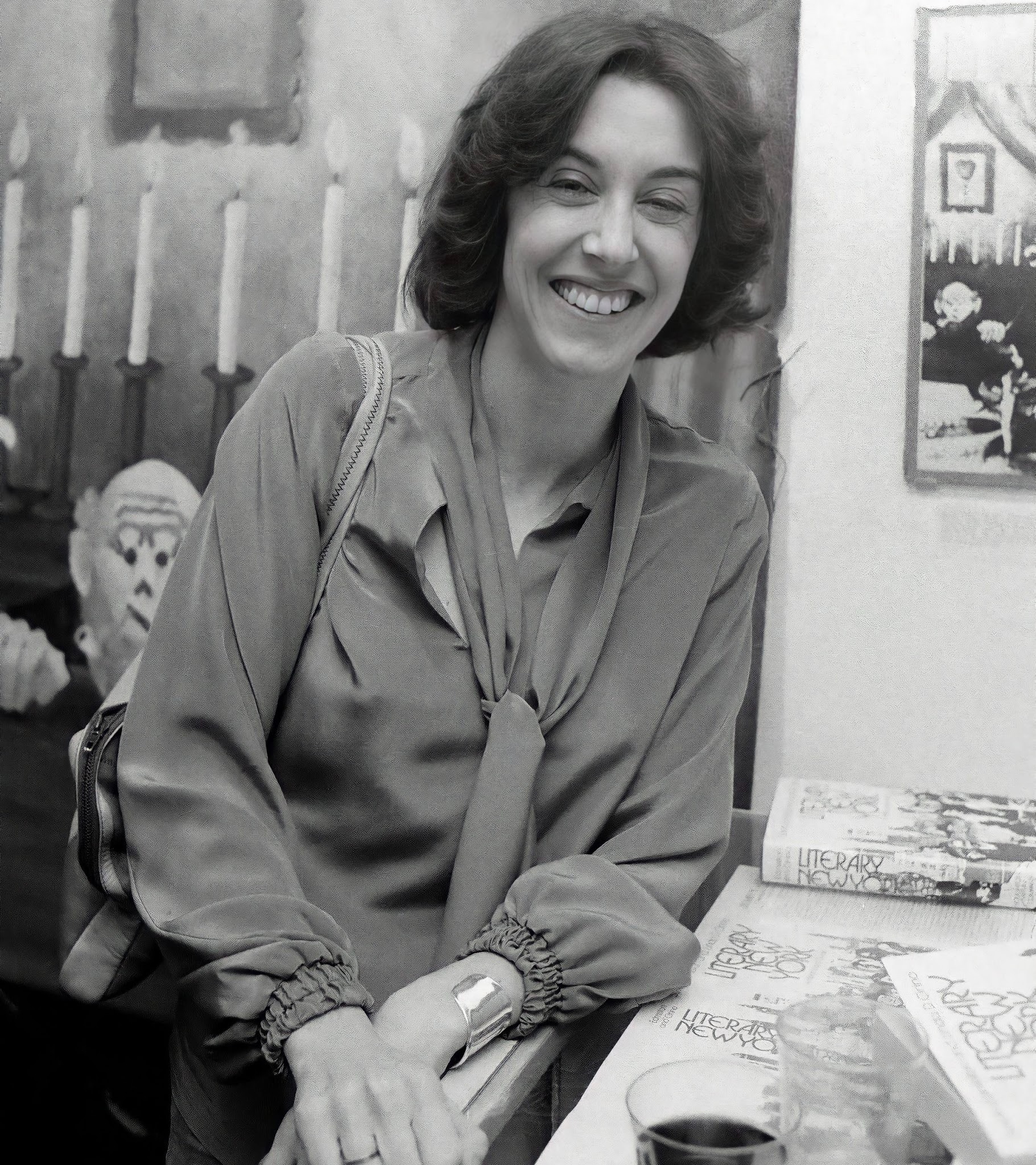
Nora Ephron’s work is defined by a unique blend of humor, self-deprecation, and a profound understanding of human relationships. She consistently explored themes of:
- gender inequality;
- the search for personal identity;
- love and heartbreak;
- women’s professional ambitions.
She often drew from her own life, giving her work a raw honesty and authenticity. Her novel “Heartburn”, for example, is a thinly veiled, witty account of her tumultuous marriage and divorce.
Personal Life
Nora Ephron was married three times. Her second husband was journalist Carl Bernstein, with whom she had two sons. Their messy divorce became the inspiration for her novel “Heartburn”, which was later adapted into a film. In 1987, she married screenwriter Nicholas Pileggi, and they remained together for the rest of her life.

In her later years, Ephron battled myelodysplastic syndrome, a rare blood disorder that progressed to acute myeloid leukemia. She kept her illness private from most of her friends and colleagues, continuing to work until the very end. Nora Ephron passed away on June 26, 2012, in New York City from complications related to her leukemia. Her death was a tremendous loss to the cultural world. Her legacy lives on through her timeless films, books, and plays. In her honor, the Nora Ephron Prize was established to support emerging female filmmakers. Ephron left behind not only a body of iconic work but also a new blueprint for bold, intelligent, and fiercely funny female authorship.
Nora Ephron became a symbol of an era when women’s voices in culture gained new, formidable power. Her creativity reshaped our idea of the romantic comedy, and her influence is still felt today in film, journalism, and literature. She proved that a light touch could carry profound meaning, and that humor could be the sharpest tool for having a serious conversation about life.