

Anna May Wong was the first Chinese American movie star to achieve global fame. Her extraordinary career spanned theater, silent films, “talkies,” television, radio, and even cabaret. More than just a performer, her name became a symbol of the fight for Asian American rights in Hollywood. Wong was instrumental in humanizing Chinese culture for American audiences, while her iconic style inspired generations of women both in the U.S. and abroad. Here is her story, via losangeleska.
Early Life and Humble Beginnings
Anna May Wong was born in Los Angeles on Flower Street, nestled near Chinatown, to second-generation Chinese American parents. Her father, Wong Sam-sing, operated the Sam Kee Laundry. As the second of seven children, Anna May grew up in a household that balanced deep roots in China’s Guangdong province with the realities of American life. This cultural duality would define her life and career.
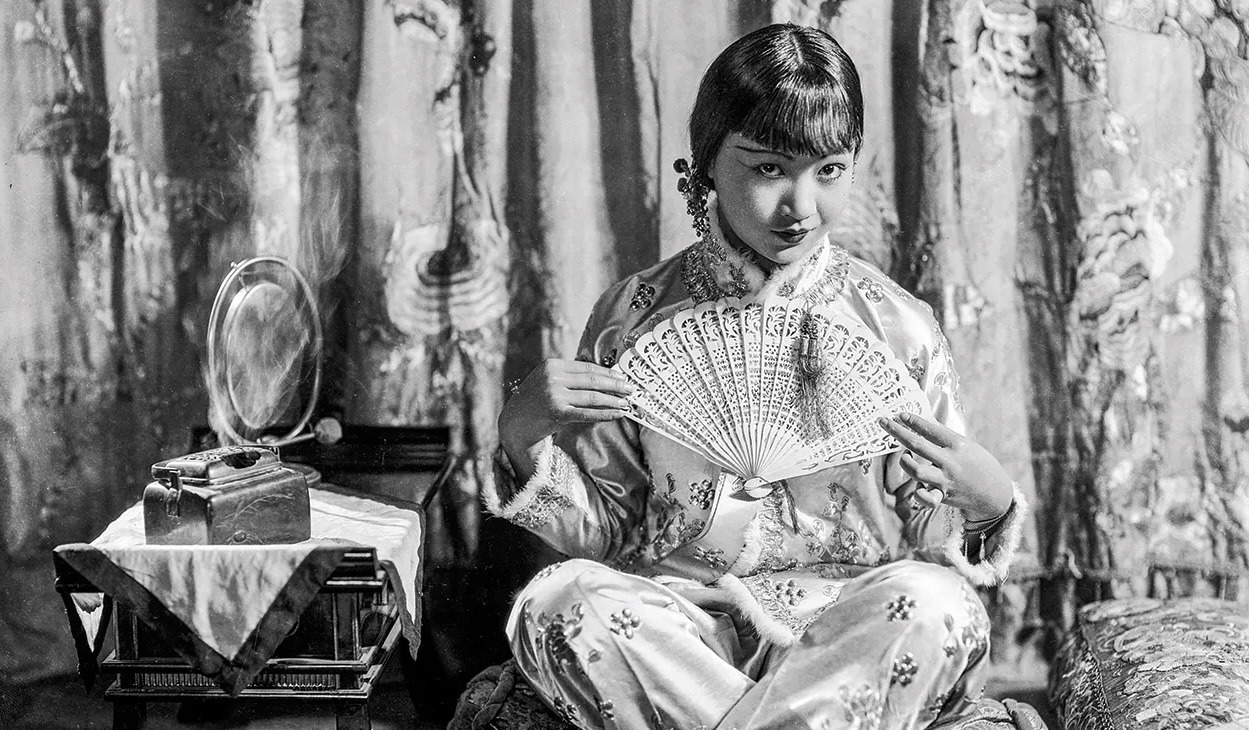
Wong’s obsession with cinema began in childhood. She spent her free time haunting local nickelodeons, and by age 11, she had already decided to become an actress. Her father was initially disappointed, viewing acting as an unstable and “unserious” profession. Undeterred, Anna May actively sought out roles and made her debut as an extra in the 1919 film The Red Lantern.
The Rise of a Star
In 1922, Wong landed her breakthrough lead role in The Toll of the Sea, one of the first American films shot in color (Technicolor). Critics were captivated by her natural talent and her mastery of silent-screen pantomime, which allowed her to stand out in an era dominated by exaggerated performances.
Despite her talent, Hollywood began to pigeonhole her. She was often restricted to “exotic” or stereotypical roles—ranging from the submissive “Butterfly” to the villainous “Dragon Lady.” Frustrated by these narrow tropes and the systemic racism of the U.S. film industry, Wong made the bold decision to move to Europe in 1928.
Wong found the creative liberation she craved in Europe. She starred in German and British hits like Piccadilly (1929) and The Flame of Love (1930). Critics in Berlin and Vienna hailed her beauty and acting prowess, turning her into an international icon. During this time, she even studied phonetics at Cambridge to perfect her English diction for the coming era of sound. While she found true recognition abroad, her success in Europe remained a stark contrast to the racial prejudices she still faced back in Hollywood.
The Battle Against Stereotypes
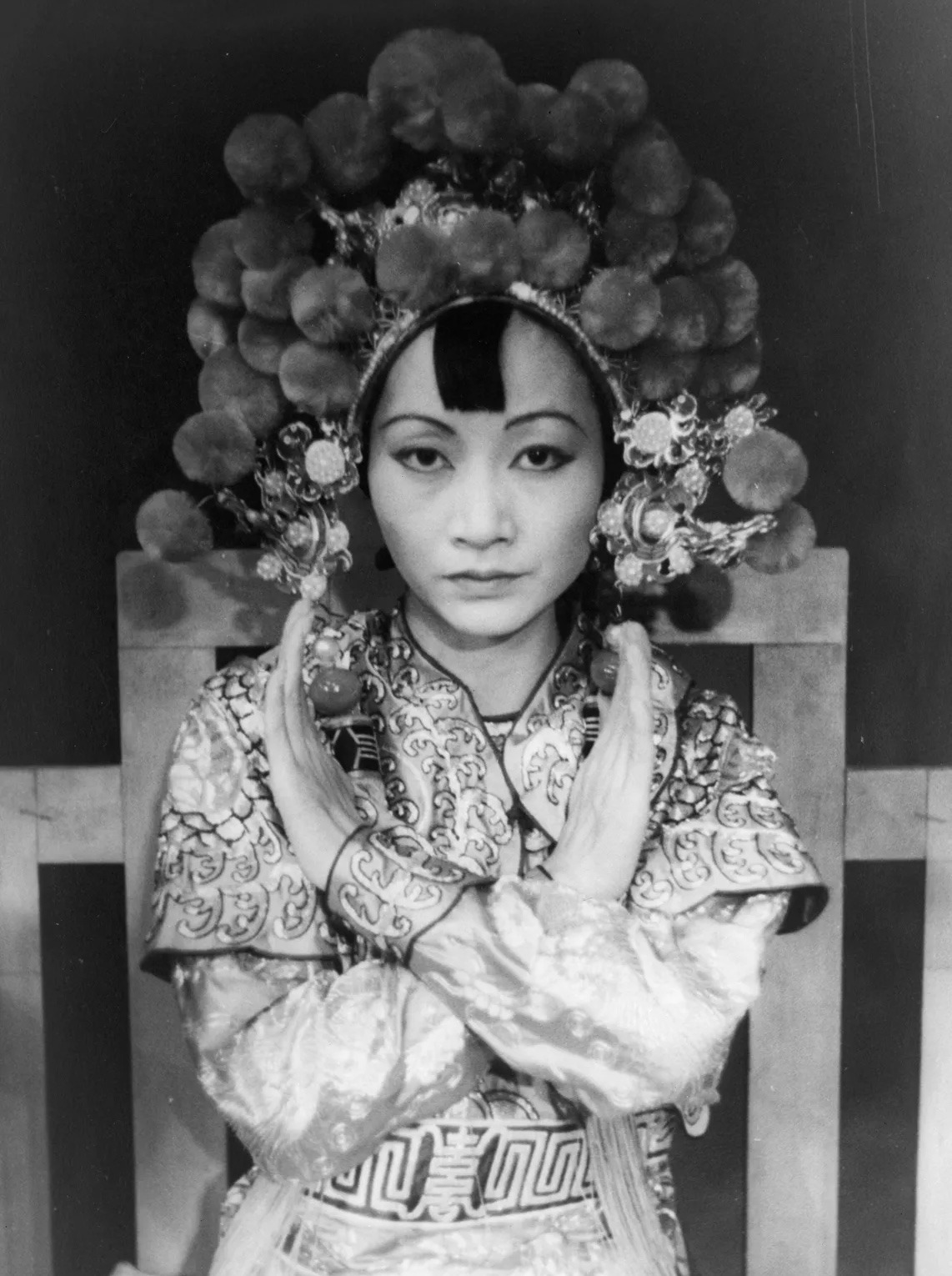
Wong returned to the U.S. in 1930 with a contract from Paramount Studios. She delivered powerful performances in Daughter of the Dragon (1931) and Shanghai Express (1932), yet the industry continued to limit her potential.
The mid-1930s were marked by heartbreaking rejections. In 1932, a studio refused to cast her in The Son-Daughter, giving the Chinese lead role to Helen Hayes instead. Most infamously, Wong was passed over for the lead role of O-Lan in The Good Earth (1937). Despite being the most qualified Chinese American actress, the role went to German actress Luise Rainer, who played the part in “yellowface.” The reason? Hollywood’s strict anti-miscegenation laws forbade showing romantic relationships between different races on screen. Since the male lead was white, a real Chinese woman could not play his wife.
Realizing that systemic barriers would always hinder her in Hollywood, Wong returned to the UK in 1934. She flourished in theater and starred in the musical romantic comedy Chu Chin Chow. Despite her frustrations, her 1934 contract with Paramount Pictures forced her back to the U.S., proving the studios still recognized her massive commercial appeal.
Seeking to reconnect with her heritage, Wong embarked on a year-long tour of China in 1936-1937. She visited her father’s ancestral village and immersed herself in traditional Chinese theater. She shared her experiences with the American public through published newspaper reports, showcasing her deep intellectual connection to her roots.
By the late 1930s, Wong finally began to secure more nuanced roles. She played the heroic Lan Ying Lin in Daughter of Shanghai (1937) and showed her versatility in the crime drama Dangerous to Know (1938). However, the outbreak of World War II shifted the landscape. Following the attack on Pearl Harbor, anti-Asian sentiment rose in the U.S., further limiting her opportunities. Over the next decade, she appeared in only four films, including the anti-Japanese propaganda pieces Lady from Chungking (1942) and Bombs over Burma (1943).
A Television Trailblazer
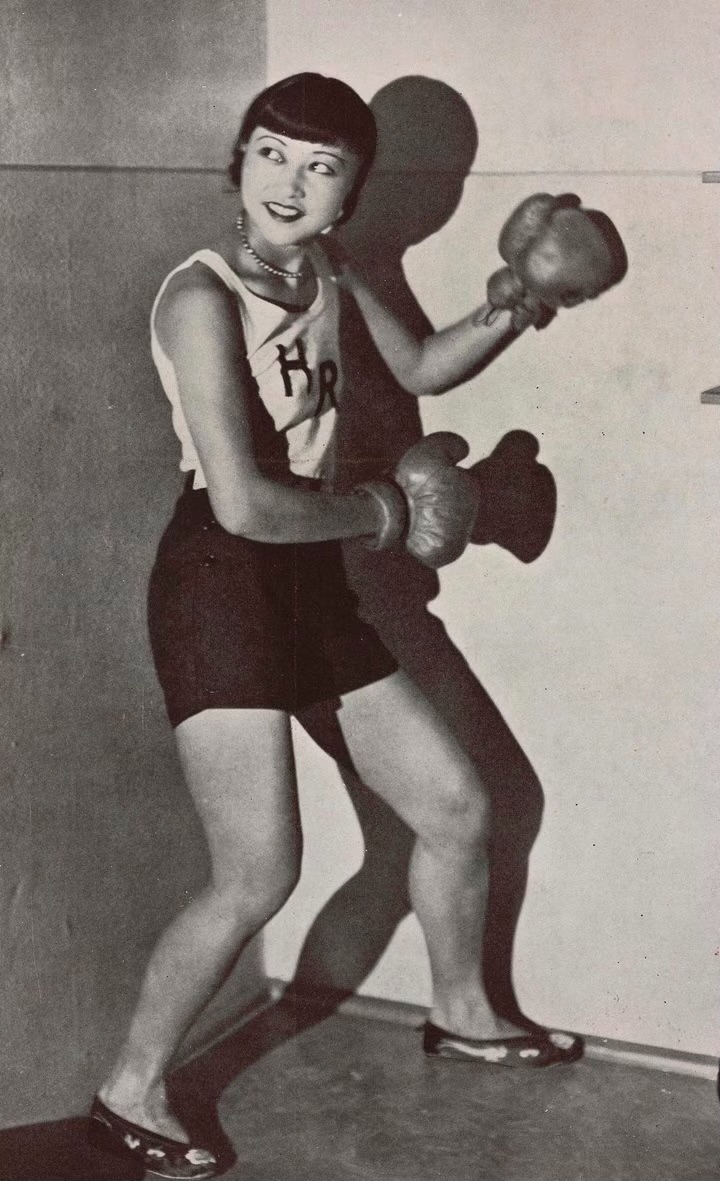
Wong continued to break barriers in the 1950s. In 1951, she became the first Asian American to lead a television show with The Gallery of Madame Liu-Tsong. Throughout her later years, she remained a dedicated advocate for Chinese charitable causes and worked on documentary programs.
In 1960, her contributions to cinema were officially immortalized when she became the first Asian American actress to receive a star on the Hollywood Walk of Fame.
A Private Life of Independence
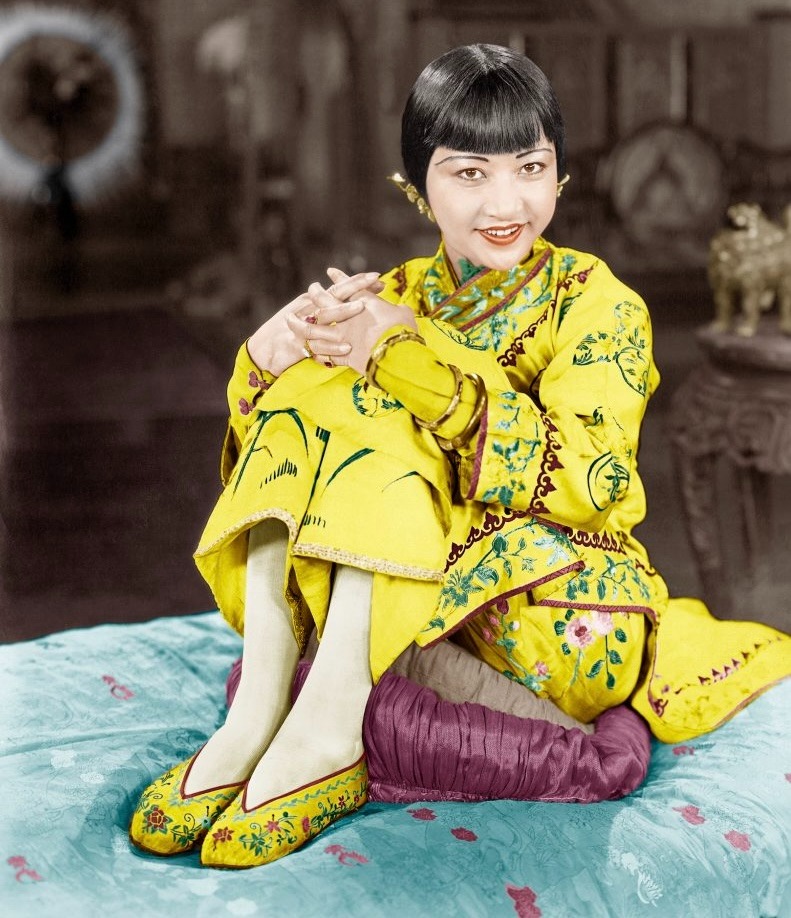
Despite her professional success, Wong’s personal life was constrained by the harsh social and legal realities of her time. She never married, a decision shaped by both cultural traditions and the restrictive U.S. laws regarding interracial marriage.
In a 1932 interview with the Paris Revue Mondiale, Wong explained that marrying a Chinese or Chinese American man would likely have ended her career. At the time, cultural expectations dictated that a married woman could not remain an actress. For Wong, professional independence required sacrificing a traditional family life.
Wong had romantic ties to several men, including director Marshall Neilan and British writer Eric Maschwitz, but marriage was legally impossible. Interracial marriage remained illegal in California until 1948. Even an out-of-state marriage would have jeopardized her reputation and the careers of her partners. Ultimately, Wong chose her craft over social conformity, demonstrating a level of courage and independence that was rare for women of that era.
Anna May Wong passed away from a heart attack on February 3, 1961, in Santa Monica at the age of 56. Her legacy, however, continues to grow. She shattered stereotypes, portraying Chinese women as strong, complex, and capable. In 2022, she was honored as part of the American Women Quarters series, becoming the first Asian American to appear on U.S. currency. Today, her name lives on through the Anna May Wong Award of Excellence, continuing to inspire the world of art and fashion.