

They were one of the most brilliant acting couples of the 20th century. Their lives were interwoven with love, creativity, and high drama. In the eyes of the public, they were the perfect pair, yet their relationship was constantly challenged by conflict and turmoil behind the scenes. Also, discover the talented artist and Walt Disney’s muse. More at losangeleska.
Love at First Sight
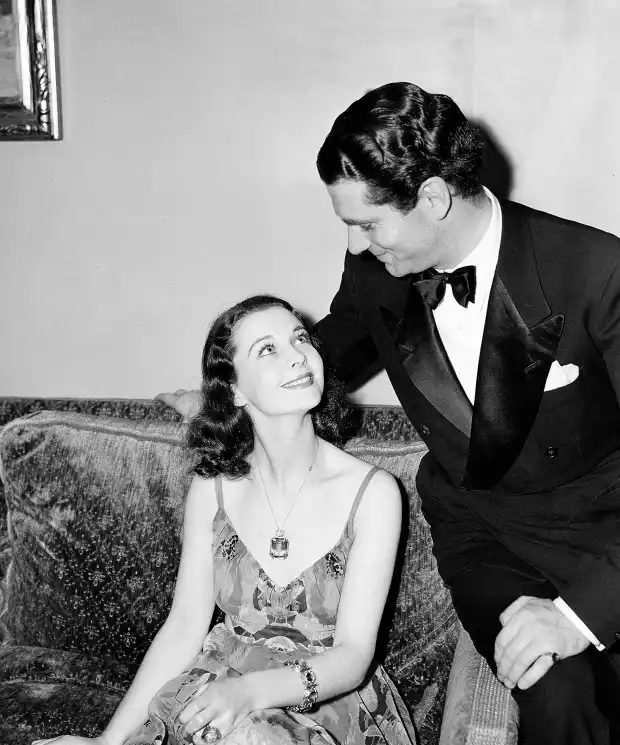
Their love story began in 1936 when Laurence Olivier and Vivien Leigh met during a theatrical rehearsal. At the time, Olivier was married to Jill Esmond, and Leigh was married to barrister Herbert Leigh Holman. However, the magnetism between them was so strong that they couldn’t resist their feelings. Vivien was captivated by Olivier’s talent and charisma, and he was struck by her beauty and grace. Over the three months of filming together, their on-screen love blossomed into a real-life romance. Vivien and Laurence made no secret of their feelings, often withdrawing from others, while their eyes betrayed the full range of their powerful emotions and romantic passion. Their affair began despite social disapproval and complications. Olivier’s wife and Leigh’s husband refused to grant divorces. Vivien’s mother was also shocked by her daughter’s decision. Yet, this didn’t deter the actress; she was stubborn, willful, and possessed an iron will. For the sake of her beloved “Larry,” she was prepared to turn away from her family and the church. They began living together even before their respective divorces were finalized.
Early Challenges
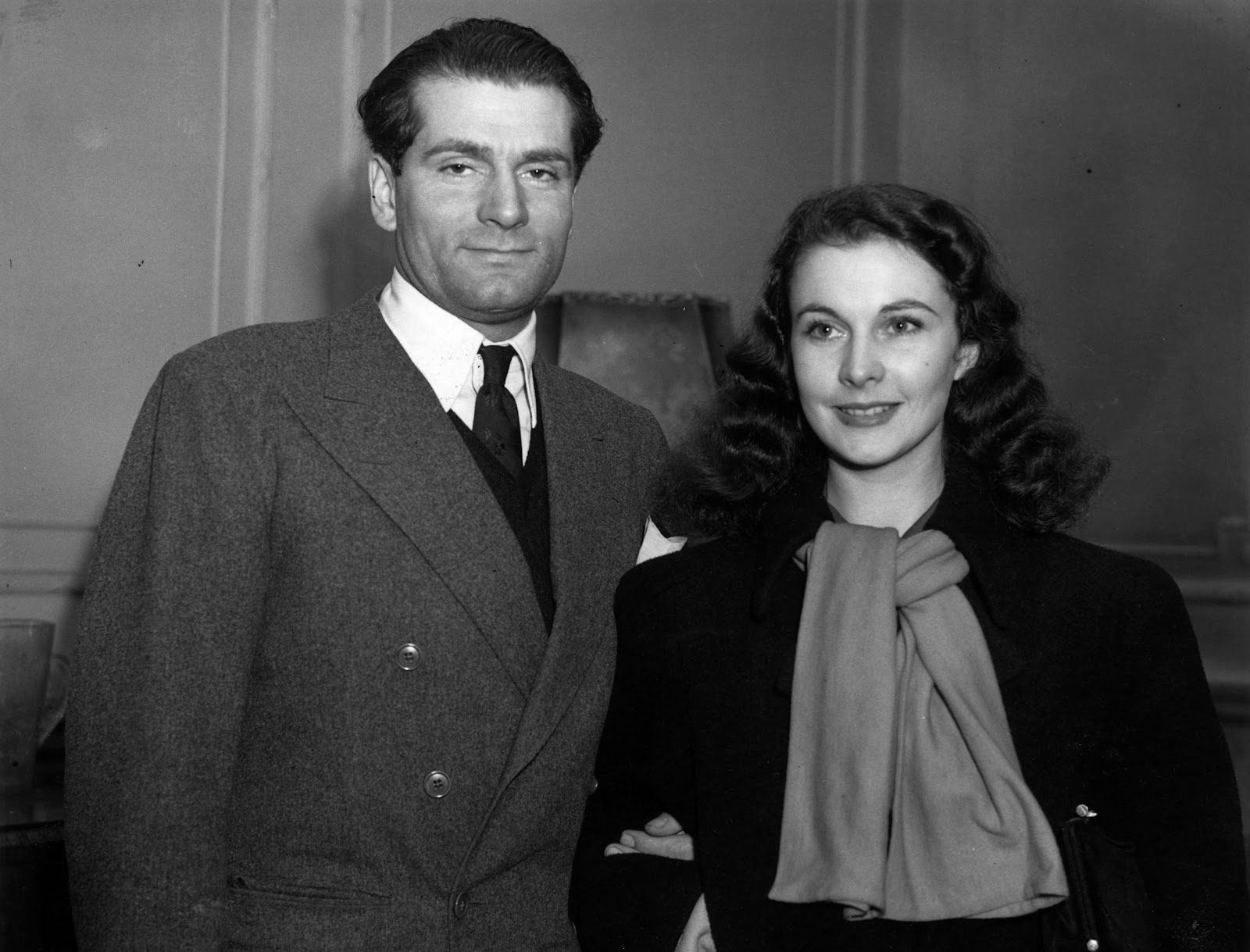
In 1940, both finally managed to leave their previous relationships. After their divorces were finalized, the couple married in a quiet ceremony at a ranch in California, attended only by the ranch owners and their witnesses. Leigh and Olivier faced public criticism, as their union was founded on adultery.
However, their union was not only personal but professional: they worked together on many plays and films. Their most famous collaborations include the stage production of “Hamlet” and the film “That Hamilton Woman,” where they played passionate lovers. Their combined energy on stage and screen was unmatched, and audiences saw them as the ideal couple. Yet, behind the scenes of their marriage, difficulties began to unfold, slowly eroding their bond. Over their 20 years of marriage, they were unable to have the children Olivier longed for, as both attempts ended in miscarriage. In 1944, the couple faced another tragedy: Vivien contracted tuberculosis. Doctors prescribed bed rest and hospital treatment, but she was eager to perform on stage and work, neglecting all medical advice.
Jealousy Over Each Other’s Success
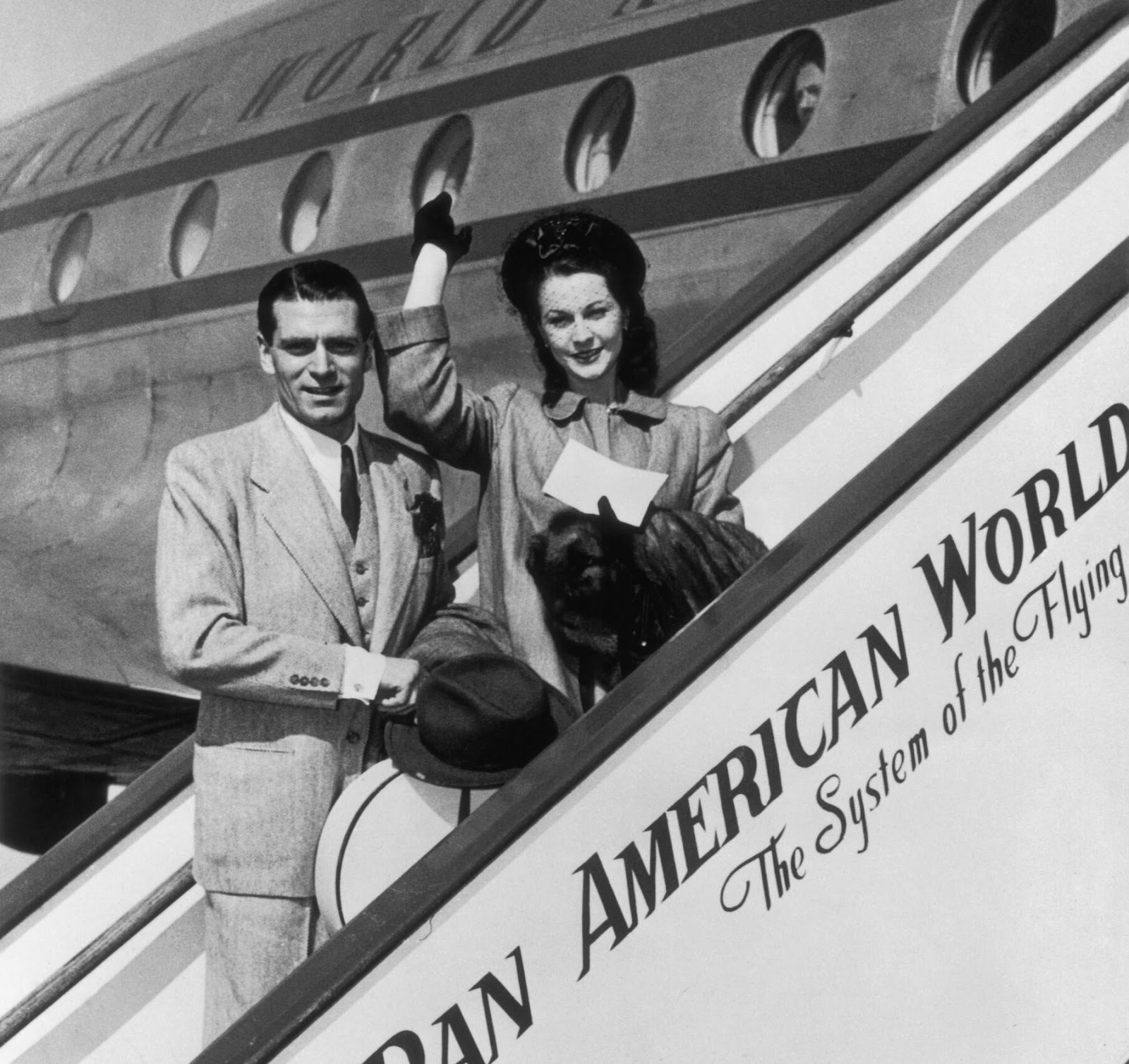
Laurence began actively participating in Hollywood film shoots, often keeping him away from home. During her beloved’s absence, Vivien’s mental state deteriorated. She began showing signs of bipolar disorder. Since the condition was poorly understood at the time, Leigh did not receive timely help. Despite everything, she wanted to be near her husband. She decided to go to Los Angeles and auditioned for the film “Gone With the Wind.” She landed the role. The work was grueling: over six months of constant filming, contemptuous attitudes from some colleagues, and her own declining health. But her husband supported Vivien and helped her cope with the difficulties.
The public adoration Vivien received after the release of “Gone With the Wind” eclipsed Laurence Olivier’s fame. He began to suggest that cinema was not art and that true talents belonged on the theatrical stage. By the time Vivien had won two Academy Awards, she started to devalue her achievements. She often used her statuette simply to prop open a door. This was because Laurence struggled to accept his wife’s success, and Vivien tried her best to prove that the award meant nothing to her.
Vivien Leigh’s Illness
One of the main trials of their marriage was Vivien Leigh’s bipolar disorder. Her illness was characterized by sudden mood swings, hysterical outbursts, and severe depression, which made their life together incredibly difficult. Olivier supported his wife for a long time, but over time, their relationship began to take an immense emotional toll on him. Public pressure and creative ambitions further intensified the strain.
In 1960, after 20 years of marriage, Laurence Olivier and Vivien Leigh divorced. Olivier later married actress Joan Plowright, while Vivien continued her acting career, but her health steadily declined. Despite the breakup, they maintained fond memories of each other. After the divorce, Laurence and Vivien continued to communicate through letters. He thanked his ex-wife and regretted her suffering, and she kept his photograph next to her bed. In his memoirs, Olivier wrote that Vivien would always remain the most important woman in his life.
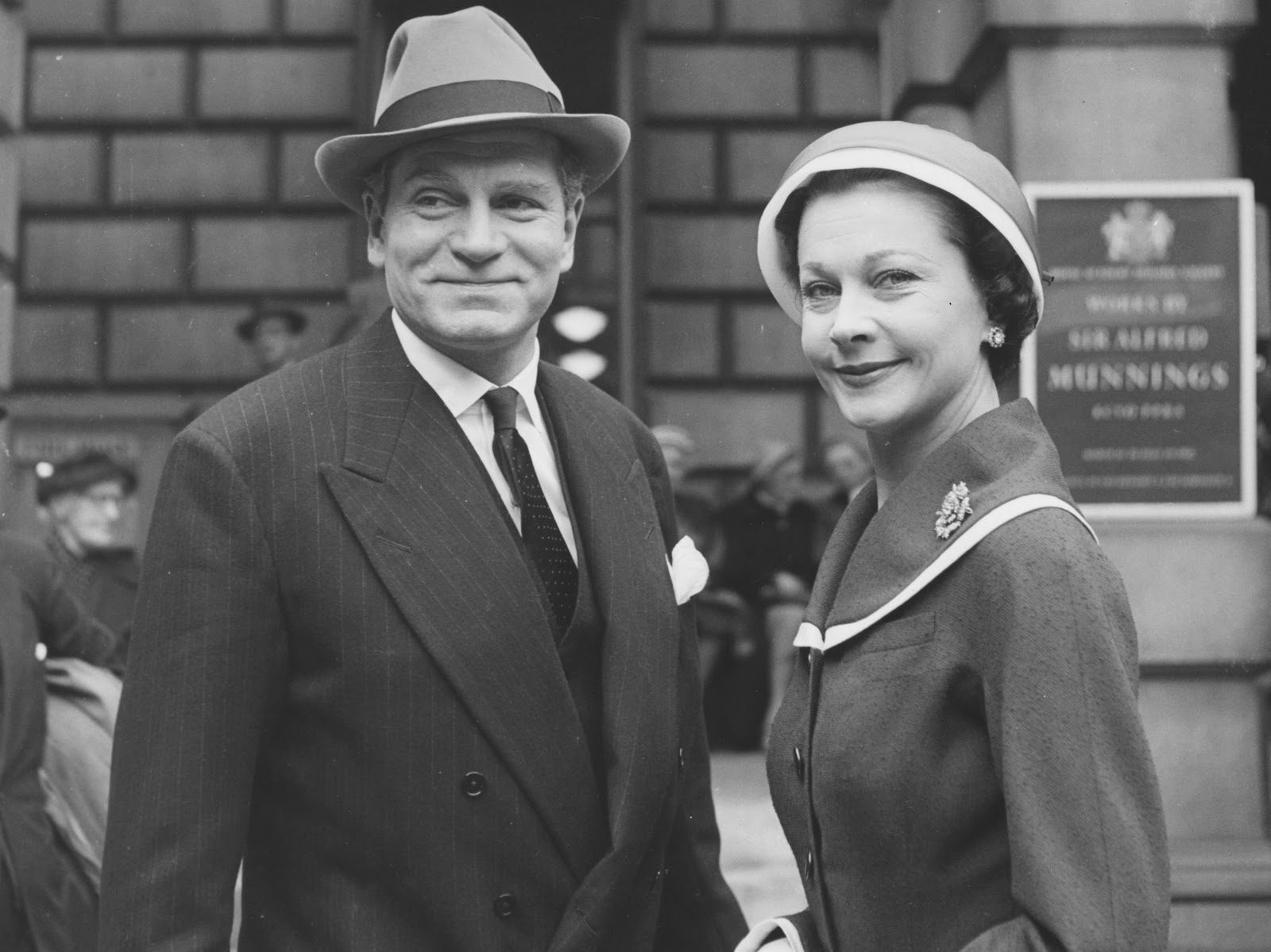
Vivien Leigh passed away from tuberculosis in 1967, and Laurence Olivier in 1989. Their love story remains a symbol of passion, genius, and pain.
Their romantic history continues to be discussed in the 21st century. Laurence’s gifts to Vivien were even put up for auction. Earrings, bracelets, and a wristwatch were among the most notable lots—symbols of the Golden Age of Hollywood. Jewelry, along with paintings, couture clothing, books, and furniture, went under the hammer at a Sotheby’s auction. The starting value of the lots ranged from £1,000 to £1,500. The actress’s personal diary was also featured at the auction.