

The Clean Girl aesthetic has emerged as one of the most defining cultural and visual phenomena on TikTok and Instagram in the 2020s. What initially seemed like just another Los Angeles beauty trend quickly evolved into a global standard for the “effortlessly put-together” look. Today, it dictates the rules of makeup, skincare, fitness, lifestyle, and even shapes modern ideas of femininity. Read more on losangeleska.
In this context, Los Angeles is more than just a dot on the map. It serves as the cultural foundation for a look woven from natural light, minimalism, the wellness industry, and a digital-first lifestyle. This is where the visual code—now instantly recognizable in search trends and social media feeds—was born. At its core lies the idea of “cleanness” as both an aesthetic and a social norm: flawless skin, slicked-back hair, neutral clothing, bright interiors, and a highly disciplined daily routine. Yet, behind this visual simplicity lies a complex machinery. A web of cultural, media, and algorithmic processes has transformed a local Californian lifestyle into a universal beauty benchmark.
The Origins of the Clean Girl Aesthetic
Los Angeles has long been the capital of the beauty, film, and wellness industries. It’s the ultimate testing ground for “visual naturalness”—a look that, in reality, requires meticulous upkeep, ranging from regular salon blowouts to premium skincare brands and grueling fitness regimens.
In 2021 and 2022, this hyper-local style went viral on TikTok under the #CleanGirl hashtag. The platform’s algorithms fueled its rapid spread, creating a perfectly homogeneous visual space. Feeds were flooded with identical imagery: sun-drenched bathrooms, iced matcha lattes, morning workouts, and minimalist cosmetics. Digital culture researchers categorize the Clean Girl as part of a broader phenomenon—TikTok micro-aesthetics. The algorithm builds “aesthetic bubbles,” heavily amplifying dominant visual codes until they feel inescapable.
The Visual Codes of the Clean Girl
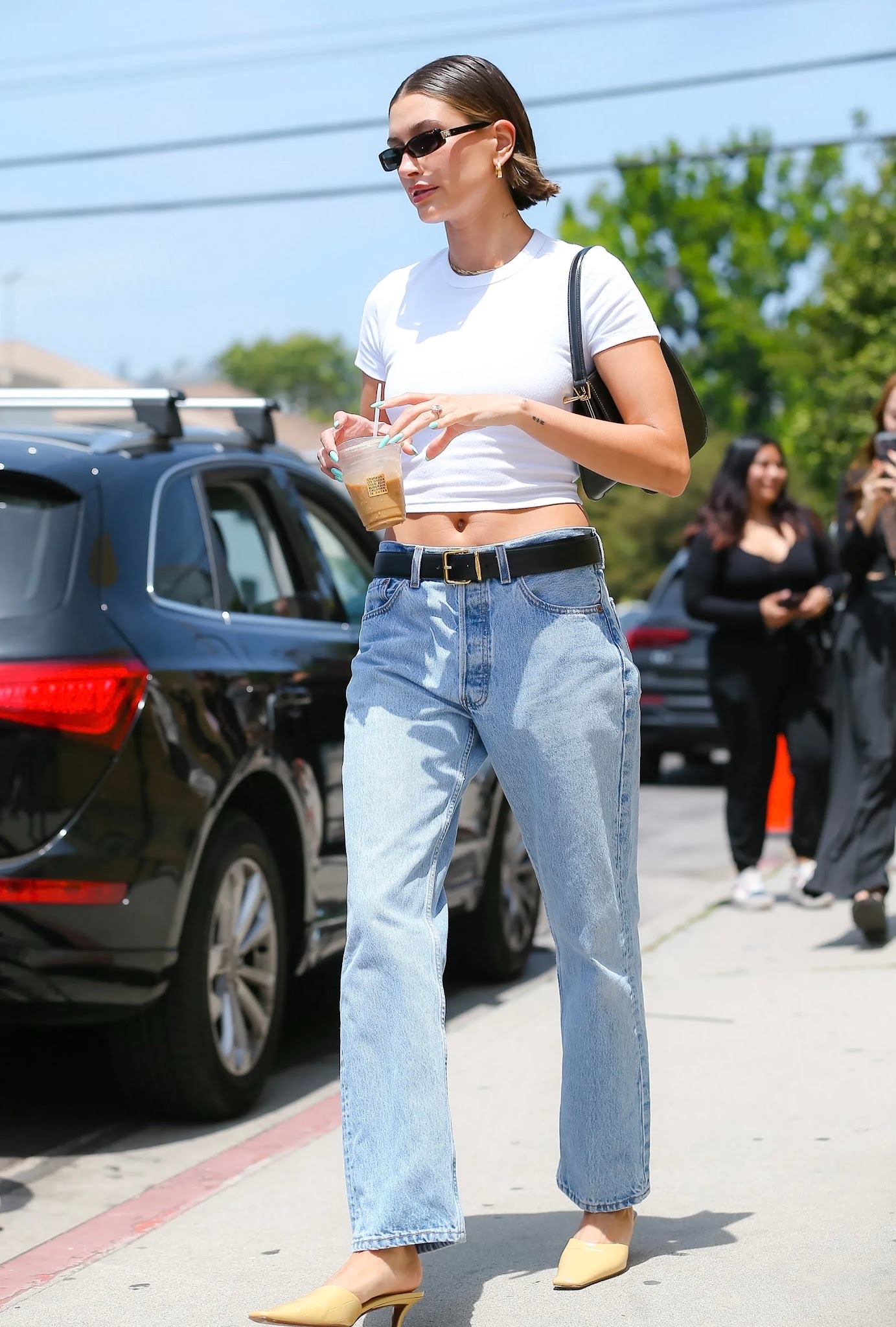
The foundation of this aesthetic is the signature “no-makeup makeup” look. Its key markers include feather-light foundation, a swipe of sheer lip gloss, perfectly laminated brows, and a natural, dewy glow.
On Google, users are constantly searching for terms like: clean girl aesthetic makeup tutorial, slick back bun hairstyle, minimal skincare routine, natural glow skin, Pilates body aesthetic, and neutral outfit aesthetic. These queries are more than just a passing fad. They reflect an entire behavioral system where physical appearance is deeply intertwined with strict self-discipline and constant self-optimization.
A typical Clean Girl lifestyle video on TikTok usually features:
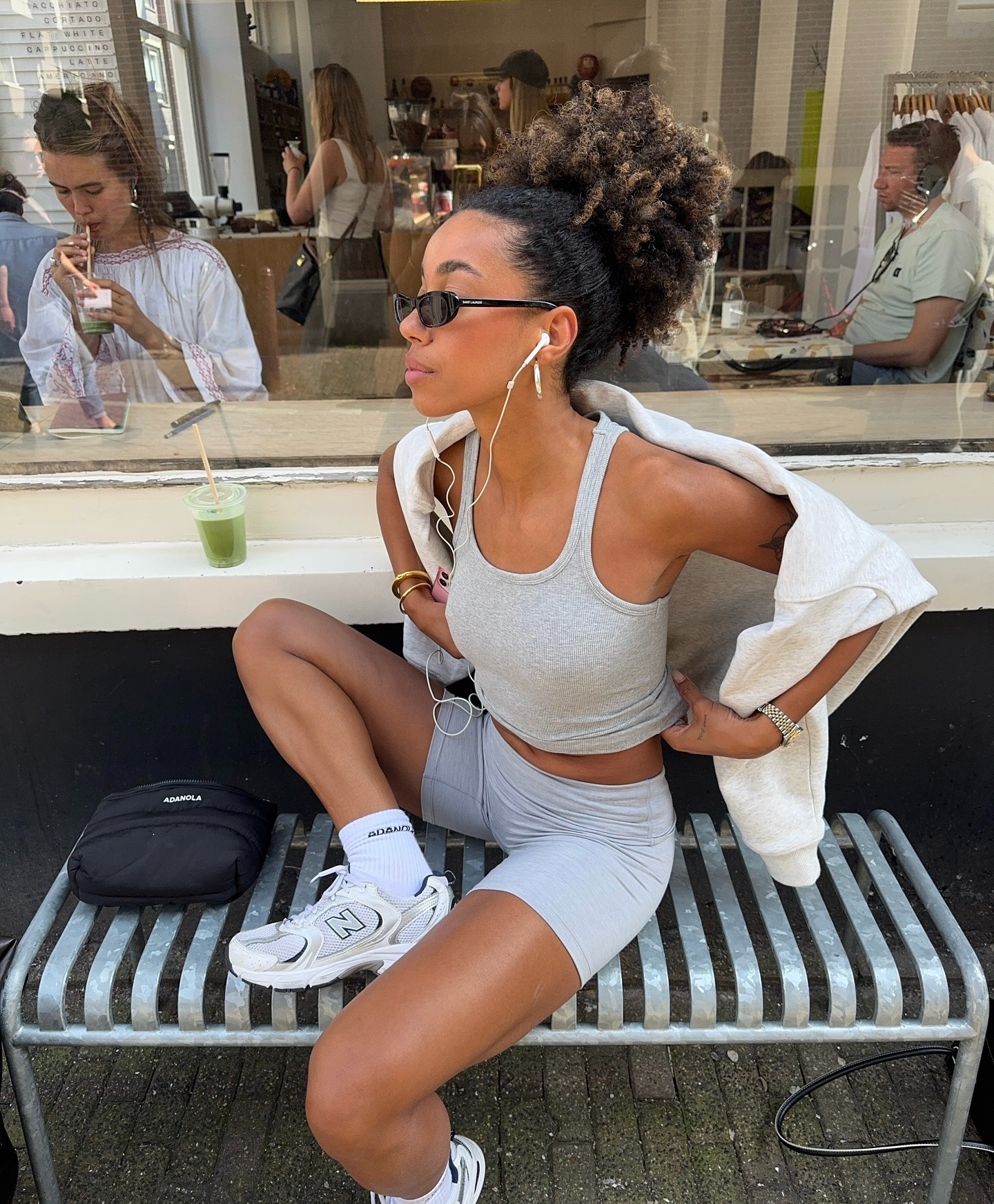
- a morning routine starting with matcha or iced coffee;
- a Pilates or yoga session;
- minimalist interiors in shades of white and beige;
- a multi-step skincare routine presented as a daily ritual;
- neutral wardrobes: matching activewear, crisp white shirts, and sleek, understated accessories.
This style constructs the image of the “ideal woman”—someone who looks effortlessly flawless and composed every single minute of her day.
In L.A., this aesthetic is organically sustained by the city’s infrastructure. Fitness studios, beauty salons, co-working spaces, and even apartment complexes are designed to be “camera-ready” at all times, requiring no extra lighting or set dressing. This creates a loop of continuous lifestyle content, blurring the line between private life and a curated public image.
Another crucial aspect of the Clean Girl is the erasure of individuality. The aesthetic minimizes visual differences among people by pushing standardized choices. Everyone has the same sleek bun, the same aesthetic moisturizers, the same morning routines. This leads to a kind of “aesthetic synchronization,” where true uniqueness is traded for instant recognizability. While this is the secret behind the trend’s massive appeal, it also planted the seeds of its decline. Culturally, the Clean Girl became a visual language defining modern femininity: controlled, hyper-polished, and socially acceptable. However, this total control ultimately made the style vulnerable. Over time, audience cravings shifted—people began yearning for spontaneity, bold individuality, and “visual noise” to break up the sterile perfection.

Going Global: The Spread of the Aesthetic
The driving force behind the Clean Girl’s global takeover was TikTok’s algorithm. The platform doesn’t just distribute content; it standardizes it. By rewarding videos that boast high engagement, the algorithm essentially forces creators to replicate the same successful formulas. Feeds fill up with identical camera angles, trending audio, similar typography, and recurring visual patterns. This breeds “aesthetic unification,” where completely different creators end up mimicking the exact same persona.
Digital media scholars refer to this phenomenon as algorithmic aesthetics—a reality where style is dictated less by organic culture and more by the technical rules of reach and visibility.
Breaking out of its Los Angeles bubble, the Clean Girl aesthetic swiftly conquered the global digital landscape. It became the universal blueprint for female attractiveness online. Its ripple effects transformed the beauty industry (boosting skincare and lightweight makeup), the fashion market (sparking a boom in minimalism and athleisure), fitness culture (popularizing Pilates, yoga, and low-impact workouts), and content marketing (fueling UGC and influencer marketing).
The Shift from Clean Girl to Beauty Maximalism
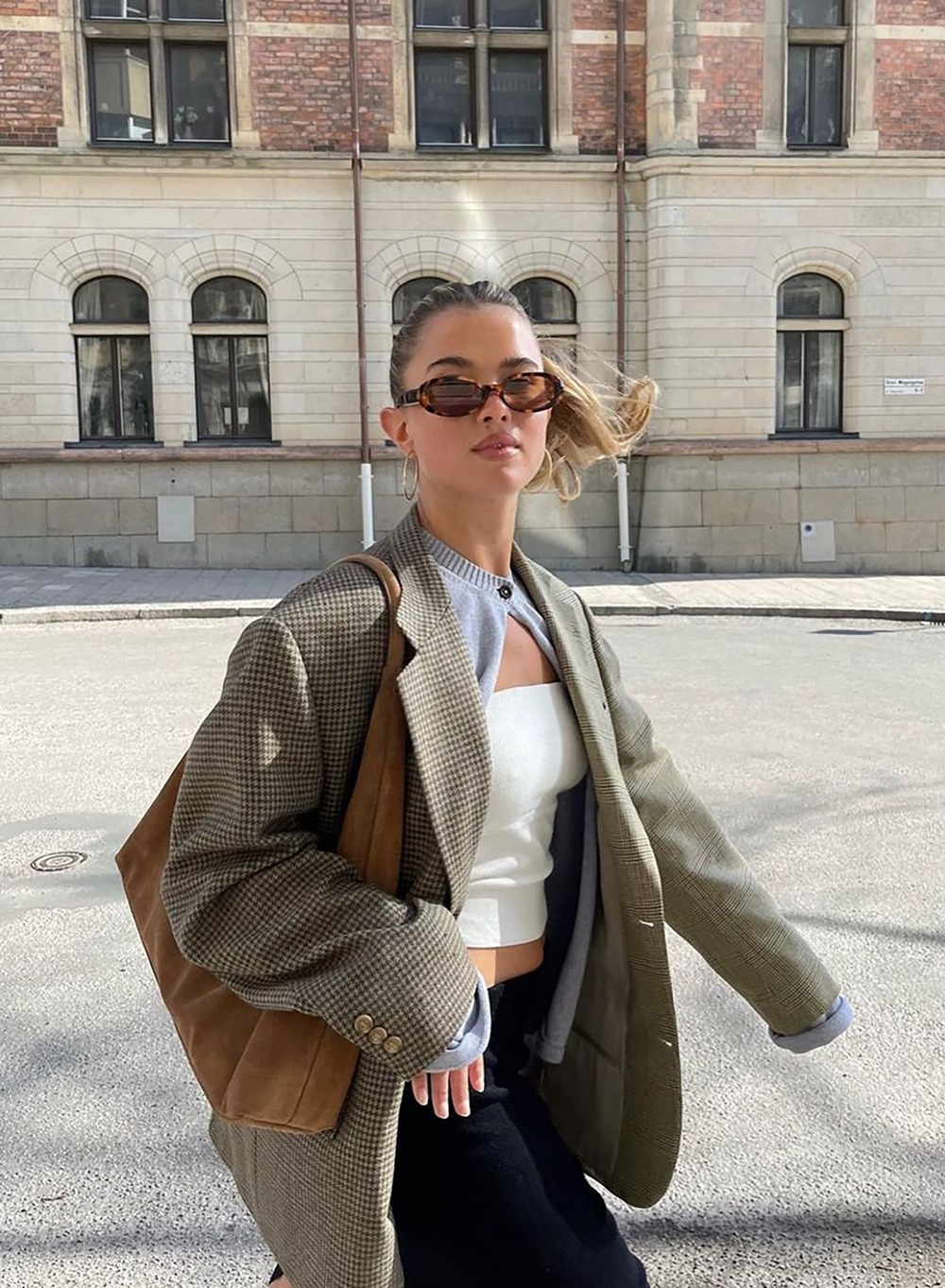
The Clean Girl concept was built on the premise of “quiet” beauty. The face shouldn’t shout, makeup should be imperceptible, and the effort put into the look must remain a well-kept secret. But eventually, audiences grew tired of this invisibility. By the Spring/Summer 2026 runway shows, a clear counter-movement emerged: fashion is demanding expression once again. In collections from Rick Owens, Cecilie Bahnsen, Luar, Thom Browne, and Simone Rocha, models’ faces were no longer blank canvases—they became stages. Eyes heavily rimmed with dark pigments, graphic eyeliner, flashes of neon, elaborate 3D nail art, and even text painted on lips signaled the triumphant return of maximalism. This is no longer an attempt to fake “natural beauty”; it’s a bold, deliberate visual performance. This shift in trends isn’t random. It reflects a deeper social fatigue with manufactured, cookie-cutter perfection. While the Clean Girl demanded sterility, this new wave of fashion reclaims the right to be vibrant and emotional.
The exhaustion with this trend stems from more than just fashion’s fleeting nature; it’s rooted in broader cultural shifts. Beauty minimalism had become too closely associated with “correctness,” subtly enforcing rigid boundaries around behavior and appearance. The cult of the “clean face” started feeling restrictive, stripping away the freedom to play with textures, colors, and bold shapes. While the Clean Girl aesthetic hasn’t completely vanished, it has definitively lost its monopoly on dictating what is considered beautiful. We have entered an era where perfection is no longer the ultimate goal, and a diverse multiplicity of aesthetics takes center stage.
The Clean Girl is much more than just another fleeting TikTok fad. It is a fully realized cultural product of Los Angeles that managed to become a global standard through a powerful synergy of the beauty industry, social media, and algorithmic distribution. This aesthetic permanently altered how we approach daily routines, makeup, and self-care. Yet, it’s essential to remember that behind the illusion of effortless, natural beauty lies a complex engine of digital manipulation, the attention economy, and heavy social expectations. Despite losing its absolute dominance, the Clean Girl remains one of the most highly searched concepts in the beauty space, continuing to leave its mark on global visual culture.