

Octavia Butler holds a truly unique place in literary history. She was one of the first African American authors to not only break into the science fiction canon but to radically redefine its themes, characters, and boundaries. Her work seamlessly blends social critique, deep philosophy, and formal experimentation, making her one of the most influential writers of the 20th century. Read more on losangeleska.
Butler was a multi-time winner of the prestigious Hugo, Nebula, and Locus awards. In 1995, she made history again by becoming the first science fiction writer to receive a MacArthur “Genius” Fellowship. Today, her books are considered essential reading for anyone looking to understand modern culture, race relations, and the future of humanity.
Early Life and Background
Octavia Estelle Butler was born on June 22, 1947, in Pasadena, a suburb of Los Angeles. Raised in a working-class household, she grew up with a mother who worked as a maid. Her father, a shoeshine man, passed away when she was just three years old. Butler’s childhood was heavily shaped by social barriers and racial segregation. She often tagged along with her mother to work, where she witnessed firsthand the unequal and unfair treatment of laborers. These early experiences left a profound mark on her worldview and eventually laid the foundation for the central themes in her writing.
A shy child, Butler struggled in school due to mild dyslexia and frequently found herself the target of bullies. However, she found a safe haven in reading. She spent countless hours at the Pasadena Central Library, where she discovered the vast world of science fiction. It was within those library walls that her drive to become a writer was born.
Butler started writing at a young age. At just ten years old, she was gifted a Remington typewriter and began drafting her first stories. A major turning point came when she realized she could write better stories than the ones playing on screen—an epiphany that struck after watching the B-movie “Devil Girl from Mars.” Despite deep skepticism from those around her, including relatives who insisted that “Black people don’t become writers,” Butler refused to give up on her dream. She later attended Pasadena City College, where she won a short story contest, earning her very first paycheck as an author.
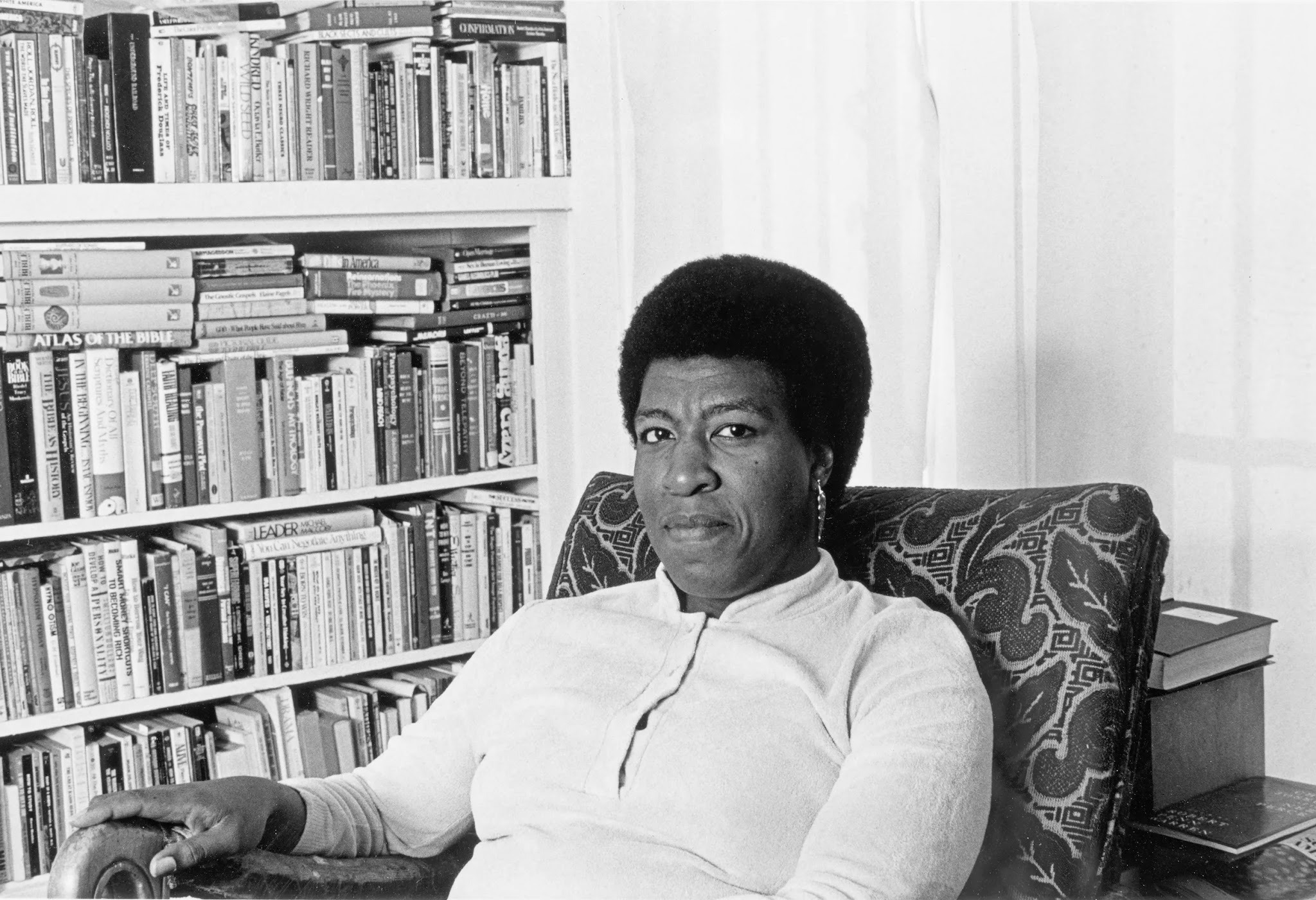
A crucial milestone in Butler’s career was her participation in the Open Door Workshop, hosted by the Writers Guild of America. There, her undeniable talent caught the eye of acclaimed author Harlan Ellison. He didn’t just offer professional feedback; he urged her to apply to the Clarion Science Fiction and Fantasy Writers’ Workshop, one of the premier training grounds for sci-fi authors. During her time there, Butler crossed paths with renowned writer Samuel R. Delany. After completing the program, she sold her first two pieces: the short stories “Crossover” and “Childfinder.” However, success didn’t happen overnight. For the next few years, she worked a string of temporary jobs to make ends meet, waking up at the crack of dawn to focus on her manuscripts. This grueling routine forged her legendary discipline and endurance as a writer.
The Path to Prominence
In the 1970s, Butler began working on a series of novels known as the “Patternist” series. These books dove deep into human evolution, power dynamics, and genetic mutation. Early installments like “Patternmaster,” “Mind of My Mind,” and “Survivor” laid the groundwork for her signature literary style.
Her massive breakthrough came with the novel “Kindred,” a masterful blend of science fiction and the brutal history of American slavery. The story follows a modern-day Black woman who is inexplicably pulled back in time to a 19th-century Maryland plantation. Today, it remains one of her most famous works and is a staple on university reading lists across the country.
By the 1980s and 90s, Butler had achieved international acclaim. Her short stories “Speech Sounds” and “Bloodchild” swept up major awards. Meanwhile, her “Xenogenesis” trilogy (later republished as “Lilith’s Brood”) explored humanity’s survival following a global catastrophe, focusing on the forced interbreeding with an alien race. In these texts, she tackled not just biological evolution, but the complex ethical dilemmas of coexistence.
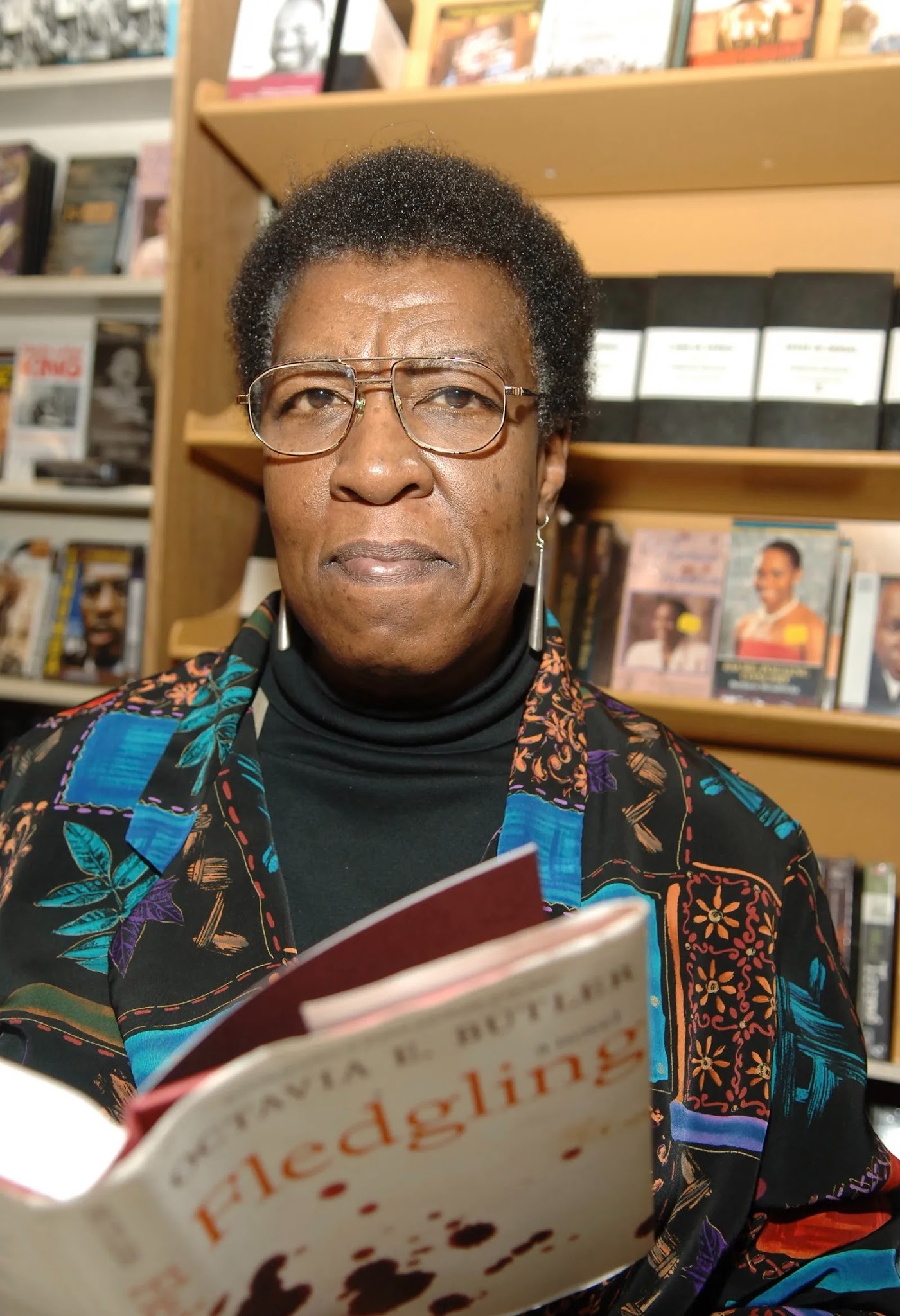
In the 1990s, Butler penned the “Parable” duology—”Parable of the Sower” and “Parable of the Talents.” These novels painted a chillingly prescient vision of a near-future society collapsing under the weight of ecological and economic crises. At the heart of the story is “Earthseed,” a new philosophy and religion offering an alternative path for human survival. In her later work, particularly her final novel “Fledgling,” Butler turned to vampire fiction, completely reinventing the genre through the lens of race, identity, and codependency. These books solidified her reputation as a visionary author capable of predicting major social trends. After her mother’s passing, she relocated to Washington state, where she continued to write and teach.
Core Themes in Her Work
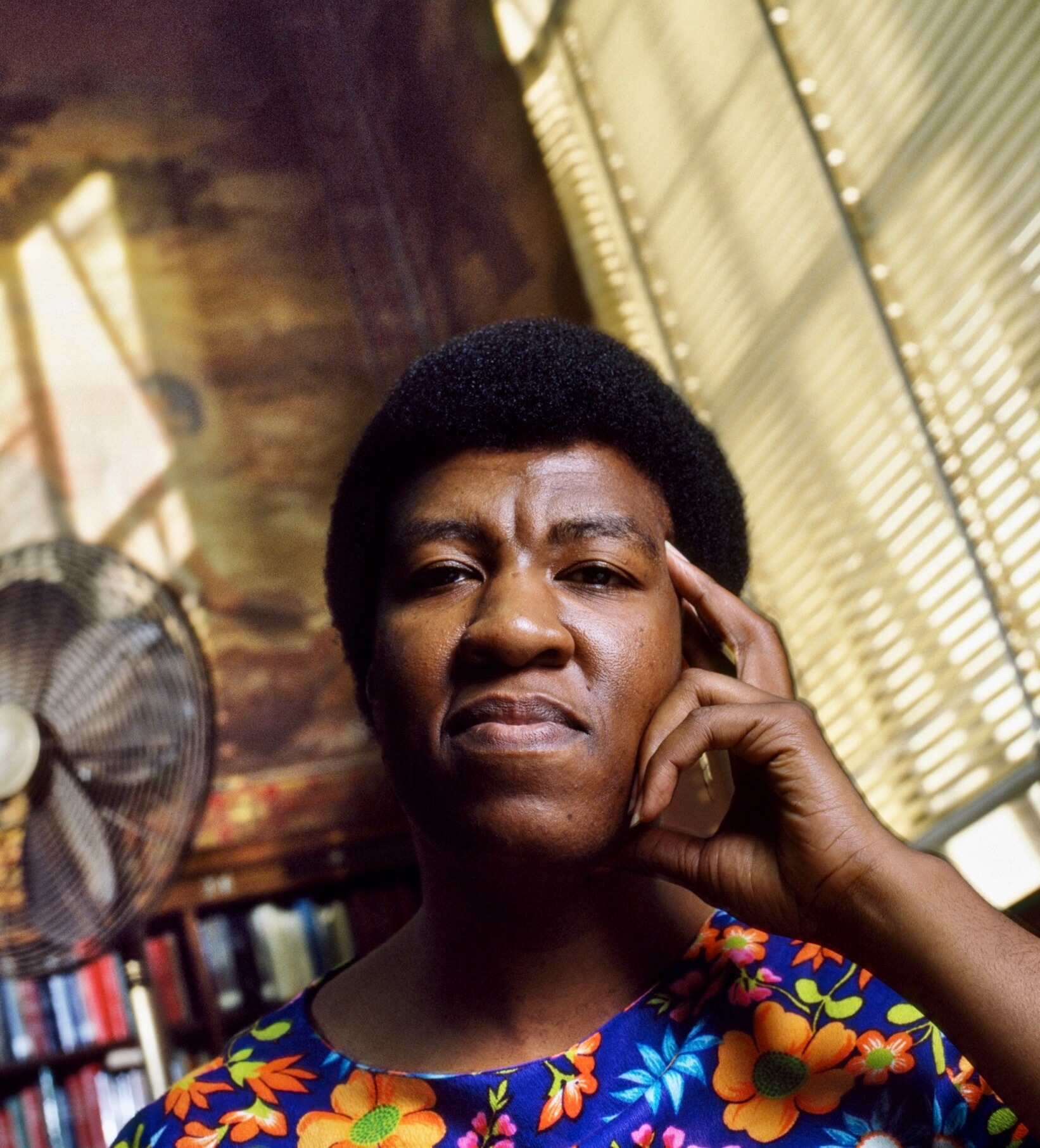
Butler’s writing is characterized by its piercing analysis of social structures. She constantly explored the nature of power, hierarchy, and violence, firmly believing that these destructive tendencies are hardwired into human nature itself.
One of her most central themes is survival through adaptation. Her protagonists are often marginalized individuals who must undergo radical transformations to stay alive. She also heavily utilized the motif of hybridity—blending races, species, and cultures as the only viable path to the future. Her work is frequently associated with Afrofuturism, a movement that merges science fiction with the African American cultural experience. However, Butler always transcended strict genre boundaries to craft universal stories about the human condition.
A hallmark of her style is the seamless blend of gritty realism with speculative elements. She never idealized the future; instead, she portrayed it as a landscape of painful compromises. Her characters are frequently forced to make morally ambiguous choices just to survive. The idea of hybridity—both biological and cultural—remains a driving force in her narratives. To Butler, evolving and overcoming conflicts was only possible through the merging of different identities.
Butler intentionally wrote from the perspective of a Black woman, placing characters who had historically been sidelined squarely at the center of the narrative. She consistently called out the lack of diversity in publishing, emphasizing that people struggle to imagine possibilities they don’t see reflected in mainstream culture.
Lasting Legacy and Impact
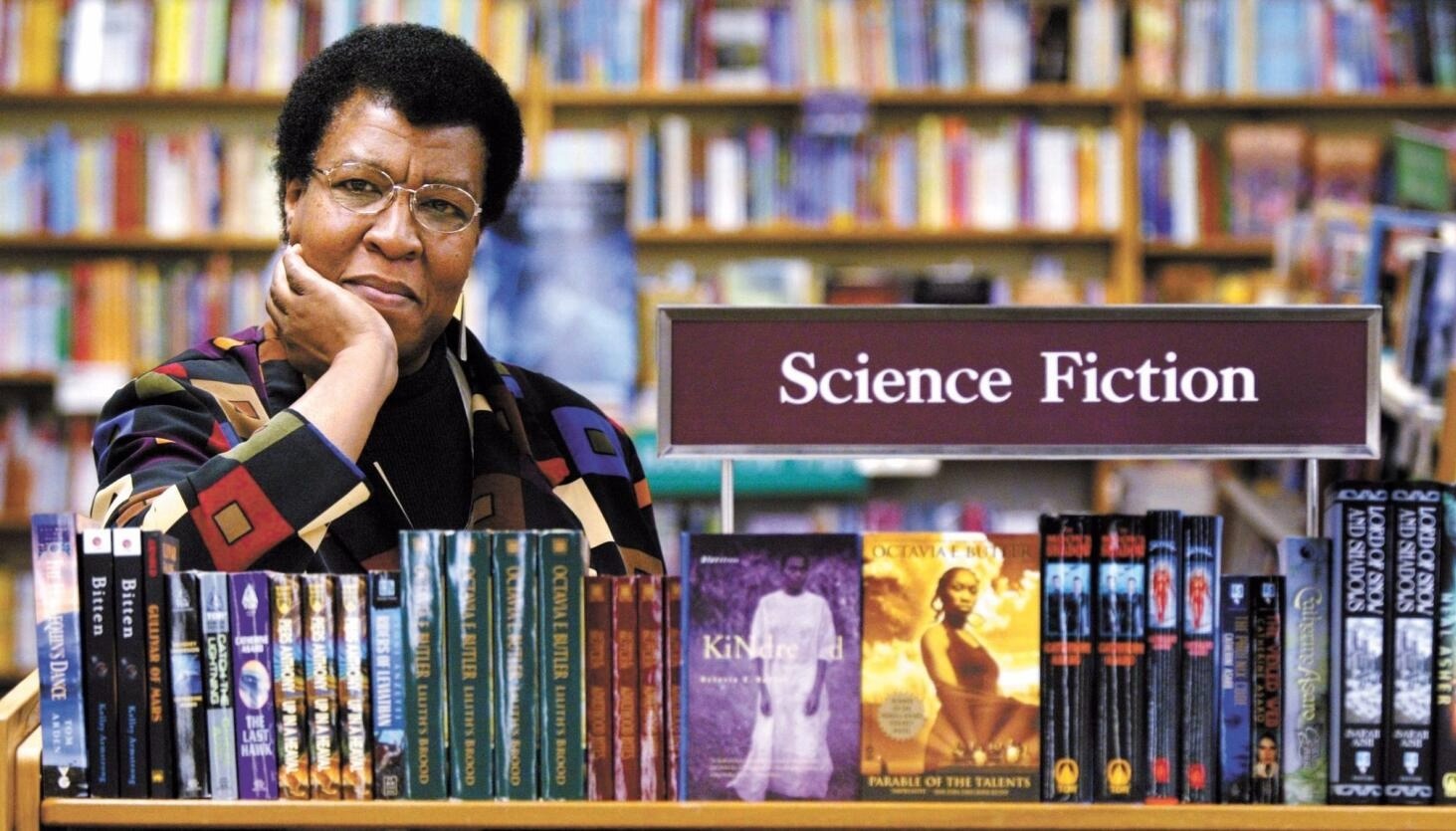
Butler’s influence extends far beyond the pages of her books. She became an icon for new generations of writers, particularly those from marginalized communities. Her works continue to spark critical conversations about race, gender, power, and the future. Her stories have inspired numerous adaptations, including television series and graphic novels. She also fundamentally shaped the development of socially conscious science fiction—the kind that prioritizes human beings and their complex interactions with society.
Octavia Butler passed away on February 24, 2006, at the age of 58. Following her death, her massive cultural contributions received widespread recognition. She has been immortalized in space: an asteroid, a geographical feature on Pluto’s moon Charon, and the landing site of NASA’s Perseverance rover on Mars all bear her name. In her hometown of Pasadena, the public library opened the “Octavia Lab” makerspace, and her extensive archives were made available to researchers. Additionally, scholarships and grants have been established in her honor to support emerging writers, especially authors of color.
Octavia Butler was far more than just a sci-fi author; she was a profound thinker who used fiction to explore the fundamental struggles of humanity. Her work is a masterful blend of depth, courage, and innovation—qualities that have rightfully secured her place among the greatest writers of the 20th century.