

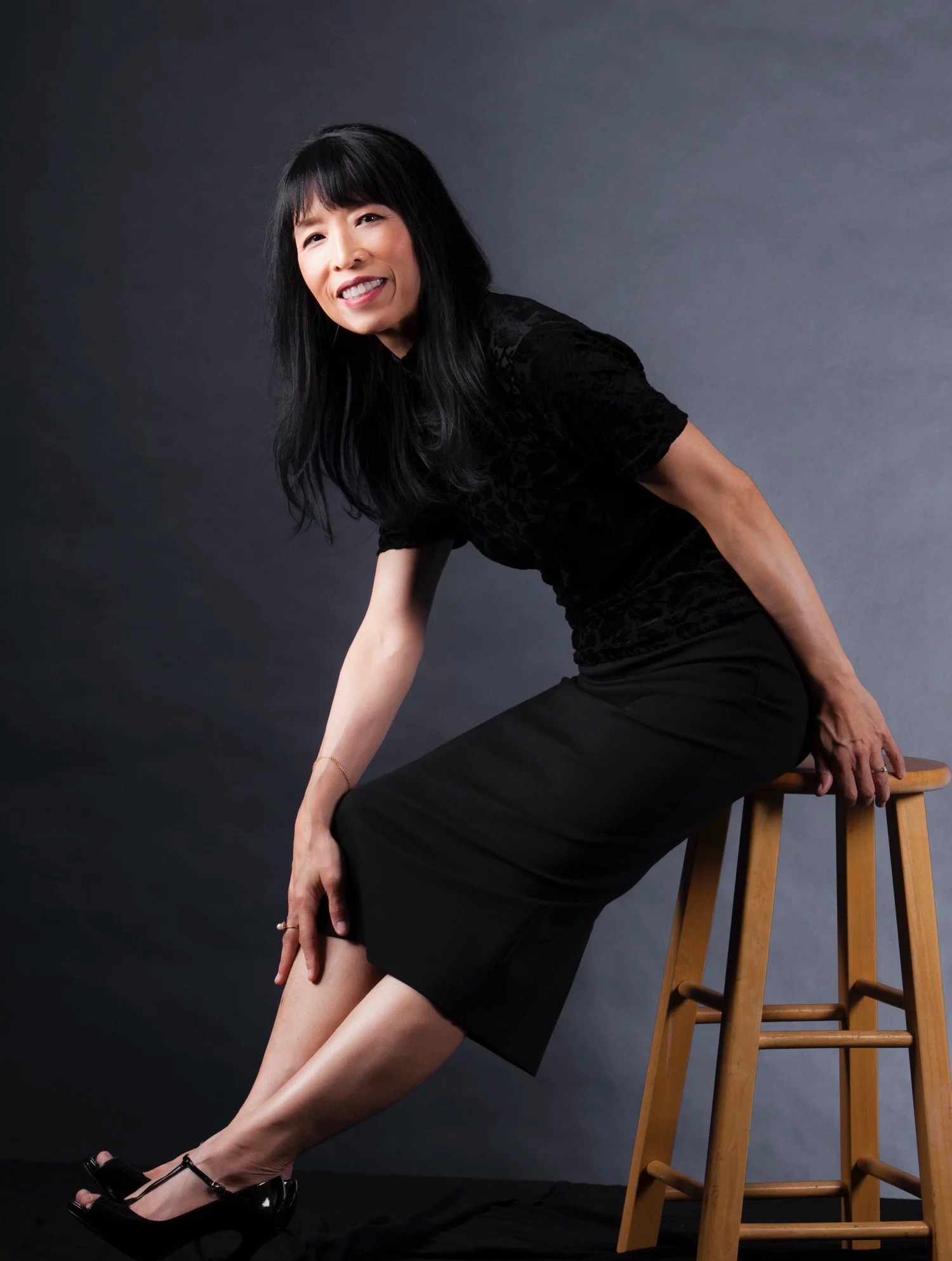
In the 21st-century classical music scene, performers who do more than just interpret the classics—those who actively shape new repertoire—play a vital role. Gloria Cheng is exactly that kind of artist. Widely regarded as one of the world’s premier interpreters of contemporary music, this pianist has continually captivated critics with her unique style. Read more on losangeleska.
The New York Times has praised her “commanding technique, color, and imagination.” The Washington Post called her performances “emotionally compelling.” The Los Angeles Times highlighted her “subtle handling of timbre and rhythmic precision,” while San Francisco Classical Voice emphasized her rare ability to blend deep emotional resonance with flawless accuracy.
Early Life and Education
Gloria Cheng was born to immigrants from Shanghai. Her musical journey began early—she took her first piano lessons from her mother at just four years old. By her teens, she was already exploring the complex works of 20th-century innovators. Cheng’s educational background is a unique blend of humanities and rigorous musical training. She earned a bachelor’s degree in economics from Stanford University before deciding to fully dedicate herself to the piano. Thanks to a scholarship, she studied in Paris, eventually earning performance degrees from both UCLA and USC. Along the way, she was mentored by legendary instructors Aube Tzerko and John Perry.
Collaborating with Composers
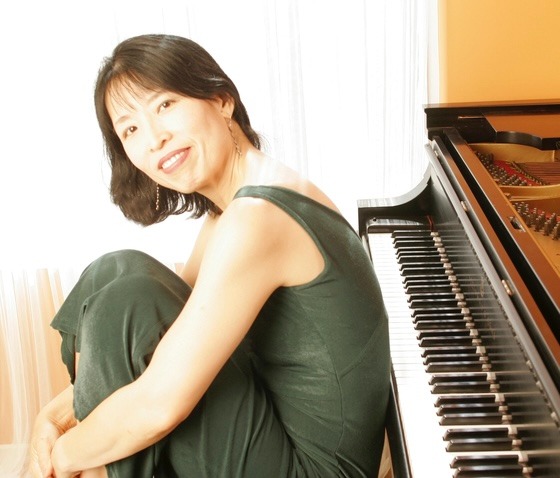
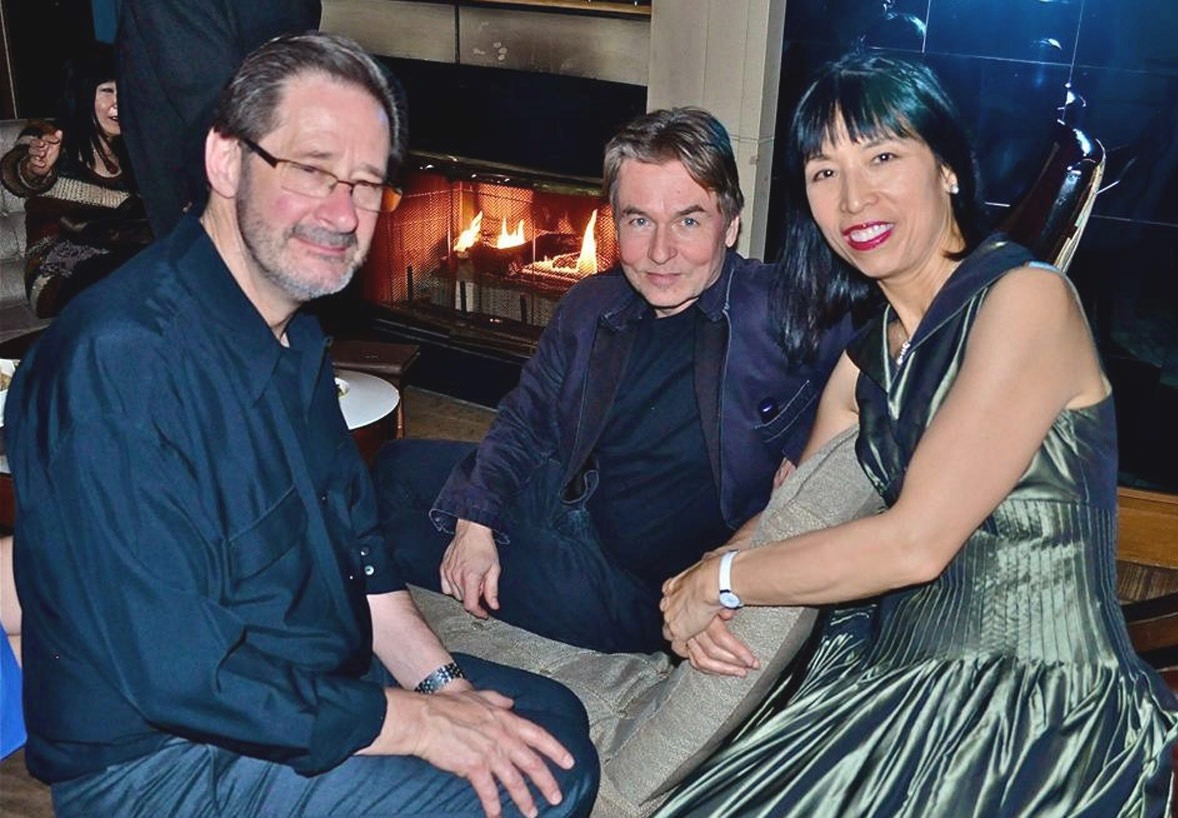
Over her extensive career, Cheng has become a central figure in the contemporary classical world. She has collaborated with heavyweight composers, including John Adams, Thomas Adès, Pierre Boulez, Esa-Pekka Salonen, and John Williams. Many of these icons, including Williams and Boulez, have written pieces specifically for her. John Adams even composed “Hallelujah Junction,” which Cheng premiered alongside conductor Grant Gershon at the Getty Center.
As a soloist, she has performed with the Los Angeles Philharmonic under the batons of Pierre Boulez and Zubin Mehta. She has also been a frequent guest performer in the LA Phil’s celebrated Green Umbrella new music series.
One of Cheng’s defining traits is her eagerness to experiment. For her MONTAGE project, she tapped iconic film composers—like Bruce Broughton, Alexandre Desplat, and John Williams—to create brand-new piano works. In 2025, she released the album Root Progressions under Biophilia Records. For this project, six composers with jazz backgrounds crafted fully notated pieces for solo piano. The album beautifully showcases the creative intersection of jazz and modern classical music.
The Music
A standout in Cheng’s discography is the album Garlands for Steven Stucky, a heartfelt tribute to the late composer. Dozens of composers contributed to the recording, with all proceeds going to support the Los Angeles Philharmonic’s educational programs.
Her early exposure to modernist music played a massive role in shaping her artistic voice. Thanks to her teacher, Isabelle Sant’Ambrogio, she discovered the work of Henry Cowell—a pioneer of extended piano techniques. This discovery laid the foundation for her lifelong interest in experimental sounds. Her style was further influenced by 20th-century composers like Paul Creston and Walter Piston. This background perfectly explains her natural affinity for complex, avant-garde repertoires and her willingness to embrace fresh musical ideas.
Cheng’s projects consistently push the boundaries of classical tradition. While working on Root Progressions, she collaborated with jazz-rooted composers to explore the interplay between improvisation and notated music. She doesn’t just interpret existing pieces; she actively builds new avenues for modern music to evolve and thrive.
Live Performances
Cheng frequently tackles some of the most complex, high-concept pieces of the 20th and 21st centuries. She performed as a soloist in Olivier Messiaen’s Oiseaux exotiques under the direction of Pierre Boulez, and took part in John Cage’s Concerto for Prepared Piano. Her repertoire highlights a deep understanding of the avant-garde tradition and an ability to navigate incredibly intricate musical structures. Another major highlight includes her performance of Elliott Carter’s Double Concerto for Piano and Harpsichord, conducted by Oliver Knussen.
She has graced the stages of prestigious events, including the Ojai Music Festival and the Tanglewood Festival of Contemporary Music. Her international footprint includes major cultural hubs across Europe, with standout concerts at the Muziekgebouw in Amsterdam and the Stavros Niarchos Foundation Cultural Center in Athens.
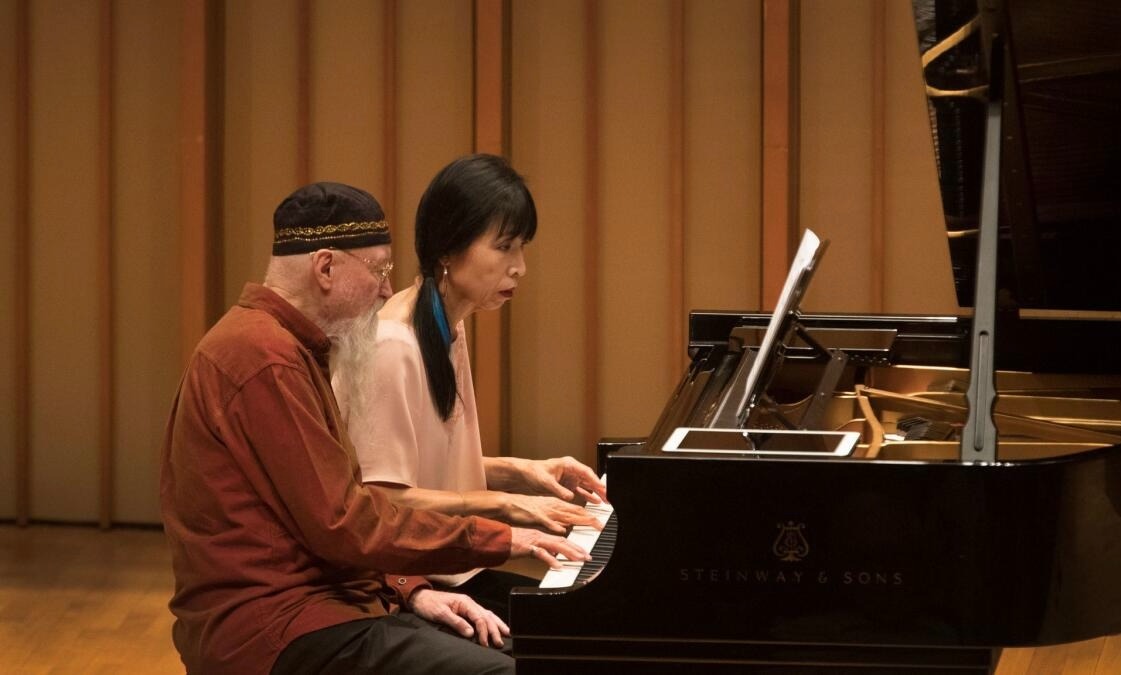
Her collaboration with Dutch pianist Ralph van Raat deserves a special mention. In 2025, the duo presented a highly acclaimed program dedicated to the centenary of Pierre Boulez’s birth. This project further cemented Cheng’s ability to thrive on the international stage and seamlessly engage with diverse musical traditions.
The Curator
Gloria Cheng is far more than just a performer; she is an active driving force in the modern musical landscape. Seamlessly juggling the roles of pianist, curator, producer, and educator, her career illustrates exactly how a modern musician can shape cultural development. Her work proves that contemporary classical music can be emotionally rich, intellectually profound, and totally accessible to a wide audience. She curated the Music at Black Mountain College program for the Armand Hammer Museum, exploring the dynamic relationship between music and the visual arts. Other major initiatives include the international symposium BEYOND MUSIC, which focused on the intersection of composition and emerging technologies, and the Inside the (G)Earbox project, organized to celebrate John Adams’s 70th birthday.
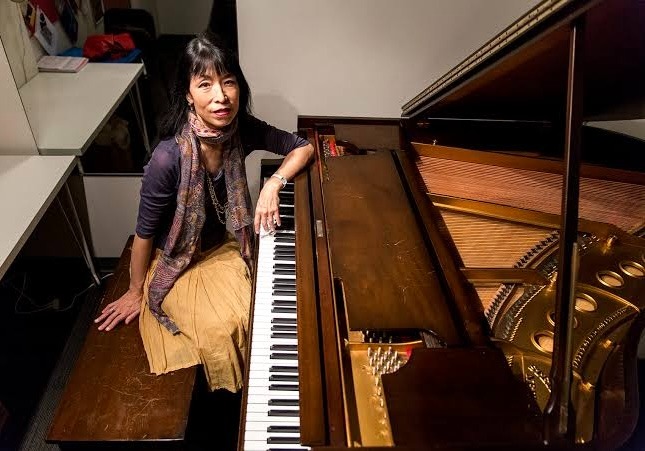
Beyond the concert hall, Cheng is deeply committed to music education. She teaches at the UCLA Herb Alpert School of Music, where she organizes programs that connect students with top-tier performers, composers, and researchers. She also spearheads interdisciplinary projects, including conferences and symposia dedicated to modern music and the latest artistic technologies. Through these efforts, she is helping to cultivate the next generation of bold musicians and composers.
Awards and Recognition
Cheng’s professional acclaim is backed by a shelf of prestigious awards. She won a Grammy Award for her recording Piano Music of Salonen, Stucky, and Lutosławski (2008) and earned a second nomination for her album The Edge of Light: Messiaen / Saariaho. Additionally, she took home a Los Angeles Emmy Award for the documentary feature MONTAGE: Great Film Composers and the Piano, a project that united leading film composers to write original works for the piano.
Gloria Cheng’s career is a masterclass in how individual talent and strategic vision can reshape a cultural landscape. She doesn’t just play music; she actively shapes its future, champions composers, pioneers new projects, and expands the horizons of piano artistry. This woman’s contribution to Los Angeles’s cultural scene and the global music stage remains one of the most significant of her generation.