

In the 21st century, the wellness industry has exploded into a multi-billion dollar market. One of the most recognizable brands in this space is Goop, founded by American actress Gwyneth Paltrow. What began as a modest digital newsletter offering health, food, and lifestyle tips has evolved into a full-scale business empire. Today, it spans e-commerce, podcasts, books, TV series, skincare, apparel, and even brick-and-mortar stores. Read more at losangeleska.
Despite its massive commercial success, Goop has frequently come under fire from doctors and scientists. Critics have accused the brand of peddling products with unproven benefits and using “pseudoscience” as a marketing tool. Nevertheless, the company remains one of the most influential forces in lifestyle media today.
The Founding of Goop
Goop was born in 2008 at Gwyneth Paltrow’s kitchen table in London. Initially, the project was a weekly email newsletter where the actress shared her personal take on health, recipes, travel, and style. Every issue featured an editorial column by Paltrow, focusing on finding balance between the physical body and the inner self.
The brand’s name was inspired by a suggestion from branding expert Peter Arnell. He noted that many successful internet companies featured double “o”s in their names. Paltrow wanted a word that didn’t have a specific meaning but felt versatile. By combining her initials with those double “o”s, “Goop” was born.
By 2011, the company was officially incorporated as a business. The project grew rapidly, transforming from a small newsletter into a major media platform with a massive global following.

The Launch of the Online Shop
In 2012, Goop reached a major milestone by launching its own online shop. This was a pivotal moment for the company as it began selling curated apparel, beauty products, accessories, and home goods. In its first year of operation, the e-commerce venture generated approximately $1.5 million in revenue.
During this period, the brand began to expand beyond the digital space. The company launched pop-up shops in major cities, debuted its own clothing lines, and hosted wellness summits and conferences. By 2016, Goop’s staff had grown to roughly 60 employees as the brand’s popularity continued to soar.
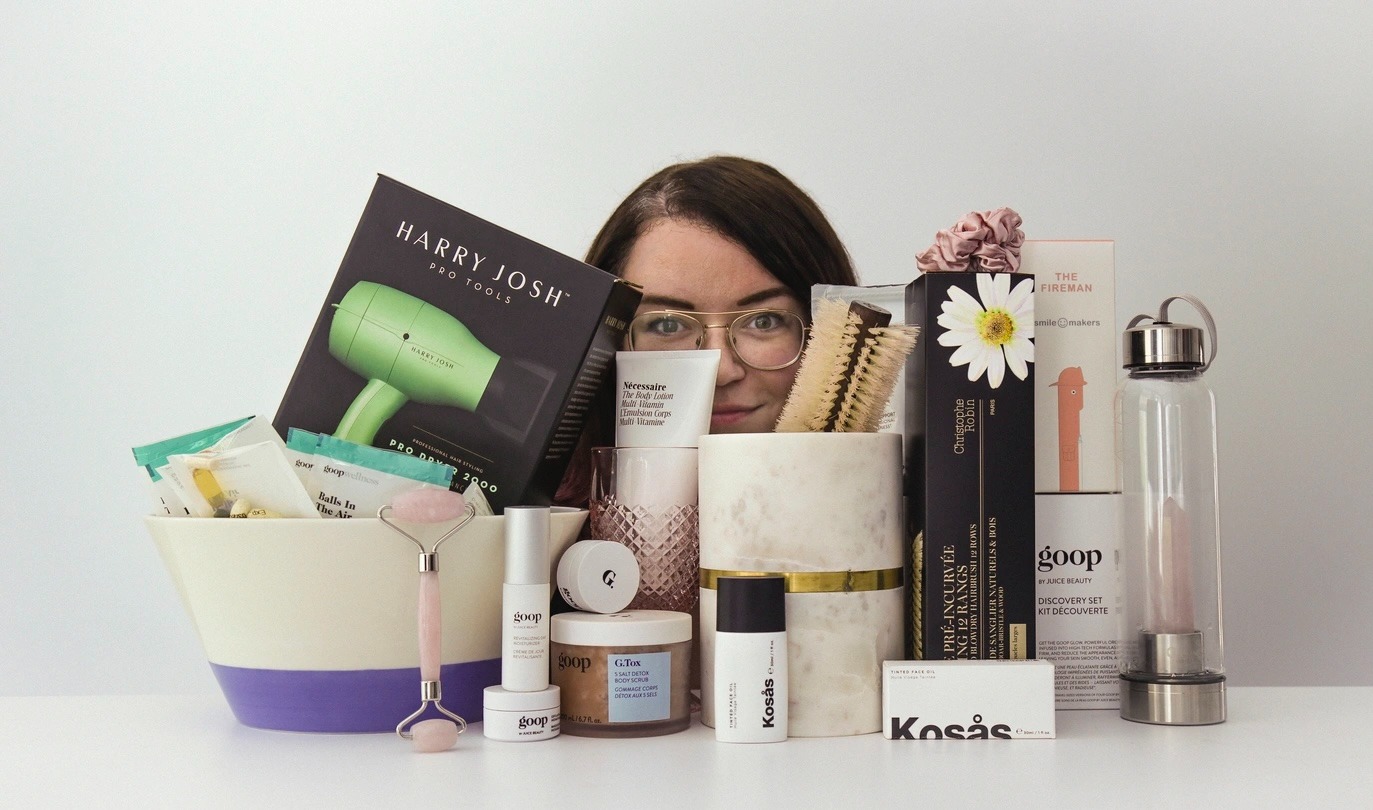
In 2016, Goop moved its headquarters to California. By 2017, the team had expanded to 90 people as the business diversified further. The platform started selling its own vitamins, supplements, skincare, fragrances, books, and magazines. It was during this era that Goop firmly cemented its status as a comprehensive wellness lifestyle brand.
Financial Growth and Investment
As the brand expanded, its financial performance followed suit. In 2011, Goop reported around £81,000 in revenue; by the following year, that figure jumped to £1.1 million.
In 2016, the company secured $15 million in Series B funding from venture capital firms, including New Enterprise Associates, Felix Capital, and 14W Venture Partners. In 2018, another $50 million investment followed, led by firms like Lightspeed Venture Partners. With over $80 million in total funding, Goop’s valuation reached an estimated $250 million.
Expanding Brands and Products
Since its inception, Goop has transformed into a multifaceted platform bridging media, commerce, and experiences. The company has launched several successful house brands, including:
- Goop Label — A clothing line launched in 2016 based on Paltrow’s personal style, focusing on elevated wardrobe essentials;
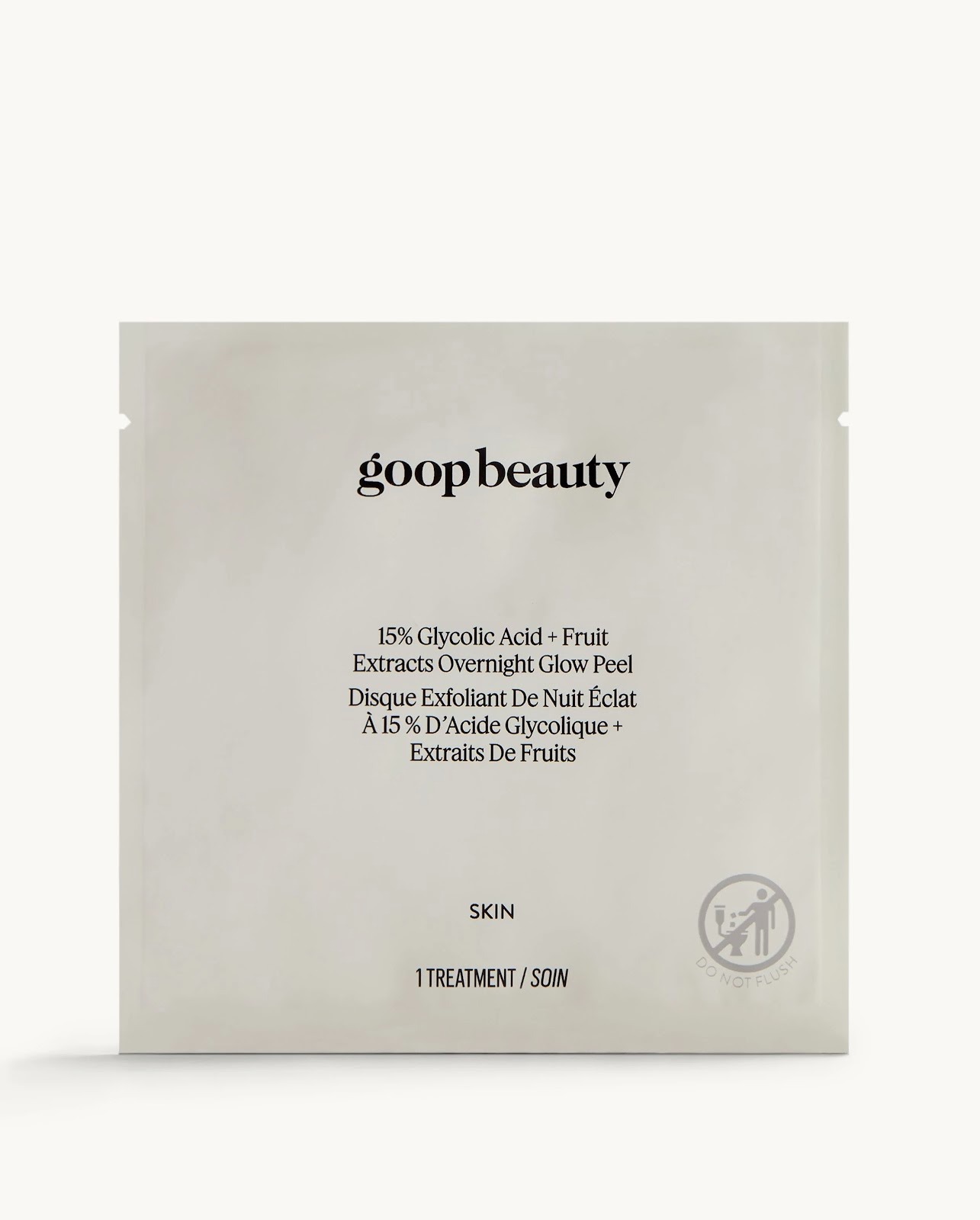
- Goop Beauty — A skincare and cosmetic range developed in collaboration with Juice Beauty;
- Goop Wellness — A line of non-GMO and gluten-free vitamins and dietary supplements;
- Goop Fragrance — A collection of natural scents and artisanal candles.
The company has also partnered with major brands like Banana Republic, Crate & Barrel, and Sephora. Beyond retail, Goop develops collaborative collections in furniture, fashion, and beauty.
Podcasts, Media, and Streaming
In 2018, the company took over the airwaves with The Goop Podcast on Apple Podcasts. Its debut guest was media mogul Oprah Winfrey, and the show quickly rocketed to the top of the charts.
Another major media venture was the docuseries The Goop Lab, which premiered on Netflix in 2020. In the show, Paltrow and her team explore topics ranging from mental health and psychology to alternative medicine. While the series earned nominations for the Critics’ Choice Real TV Awards, it also sparked significant controversy for featuring fringe scientific theories.
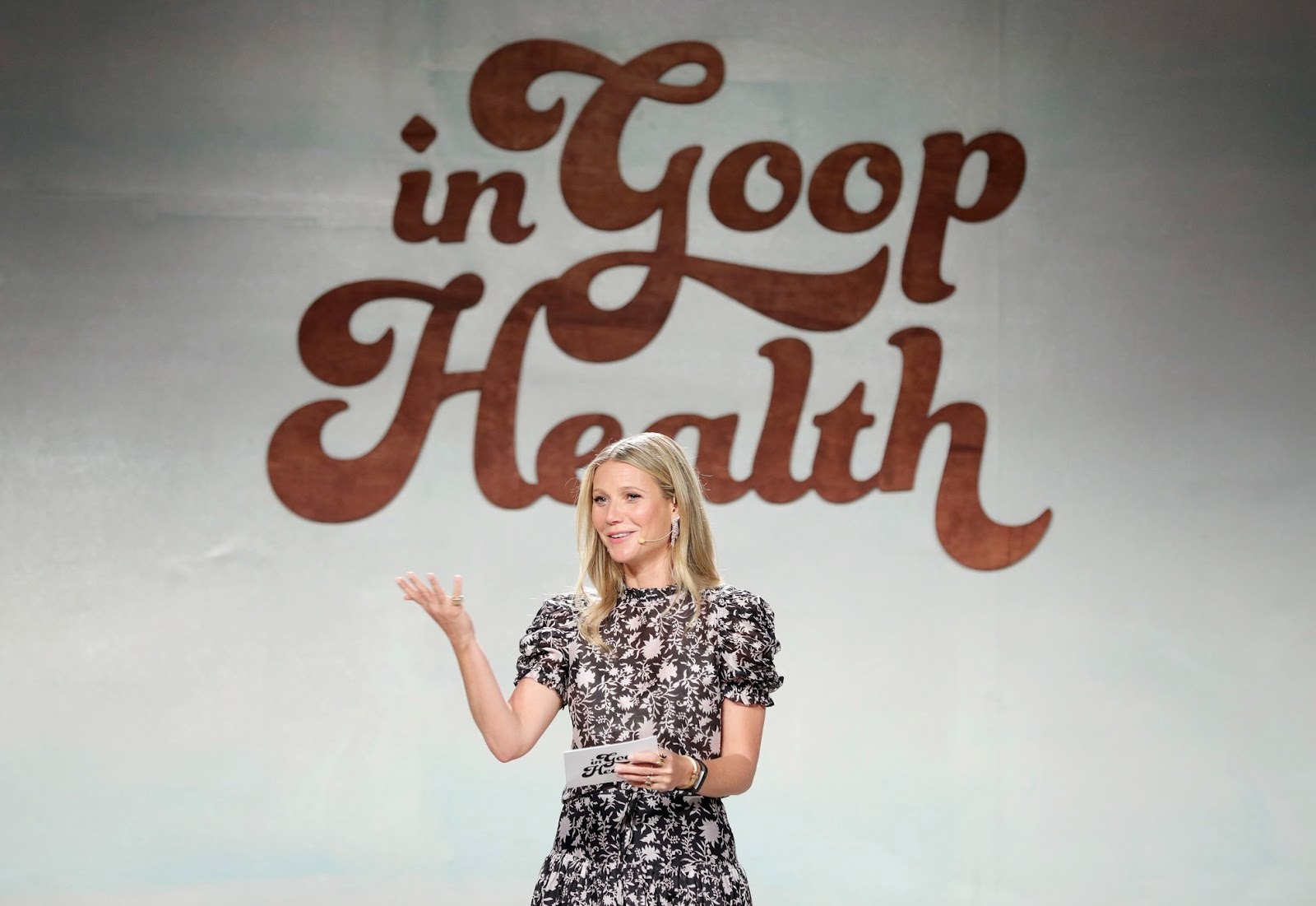
In 2017, Goop began opening permanent brick-and-mortar stores, starting in Los Angeles, followed by locations in London and New York. The brand also hosts high-end wellness summits called “In Goop Health.” These exclusive events, priced between $1,000 and $2,000, feature workshops, sound baths, and panels on everything from menstrual health to female leadership. A 2023 event in Santa Monica focused on hormonal health, featuring interactive installations and “Ask Me Anything” sessions with Paltrow herself.
Criticism and Scandals
Goop’s massive popularity has been shadowed by constant controversy. The medical community has frequently called out the brand for promoting dubious health claims.
Most notably, Goop faced heavy backlash for marketing “vaginal jade eggs,” promoting “uterine steaming,” and selling supplements with unproven health benefits. In 2018, the company settled a lawsuit for $145,000 over claims of deceptive advertising. It even earned the “Rusty Razor” award from The Skeptic magazine for its promotion of pseudoscience.
Despite the critics, Goop remains a global lifestyle powerhouse. With millions of followers, it has fundamentally shaped the modern wellness industry. Goop’s story is a prime example of how a celebrity blog can morph into a corporate giant. However, it also serves as a cautionary tale about the intersection of marketing and health, where the line between wellness and misinformation can often become blurred.