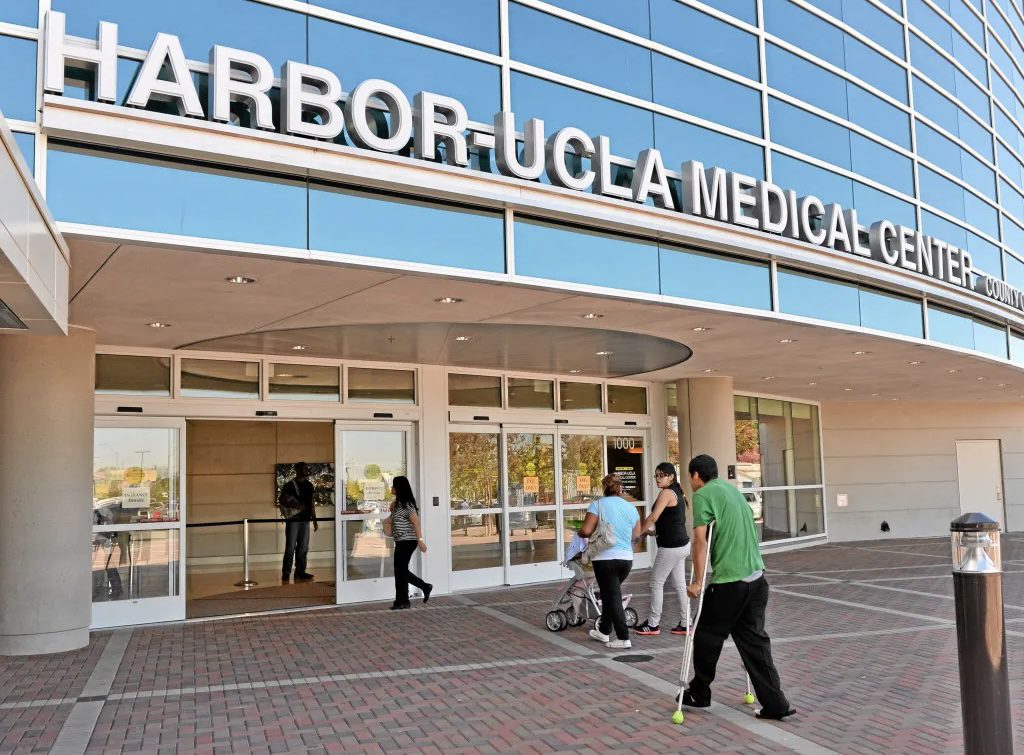

The Harbor-UCLA Mental Health Center is one of Los Angeles’ leading medical facilities, specializing in the treatment of mental disorders and providing comprehensive patient care. It operates under the umbrella of Harbor-UCLA Medical Center and is a vital part of the Los Angeles County health care system. You can also find out how to overcome spring depression with advice from a Los Angeles psychologist. Read more at losangeleska.
History of the Center
Harbor-UCLA Medical Center opened in 1946 as a hospital dedicated to providing medical care to Los Angeles County residents. In its initial decades, the institution focused on surgery, internal medicine, and other general medical fields. However, between the 1960s and the 1970s, the hospital began to significantly expand its psychiatric services due to the growing need for specialized treatment of mental disorders.
In 1973, a separate unit for psychiatric care was established within the medical center. It initially functioned as a small department, supporting patients with acute mental disorders. However, the center expanded greatly in the following decades, introducing new treatment and rehabilitation programs. In the 1980s, the center began active collaboration with the Los Angeles County Department of Mental Health, which enhanced the quality of care and implemented new treatment methods. The 1990s saw the expansion of social rehabilitation programs for people with mental disorders, along with the creation of specialized programs for veterans and individuals who had experienced traumatic events. The 2000s brought technological advancements that improved the center’s diagnostic capabilities and broadened both outpatient and inpatient services. The following decade saw the introduction of addiction treatment programs and an expansion of services for people with bipolar disorder, schizophrenia, and other severe mental illnesses. The center continues to operate as one of the region’s leading mental health facilities, providing care to thousands of patients annually.
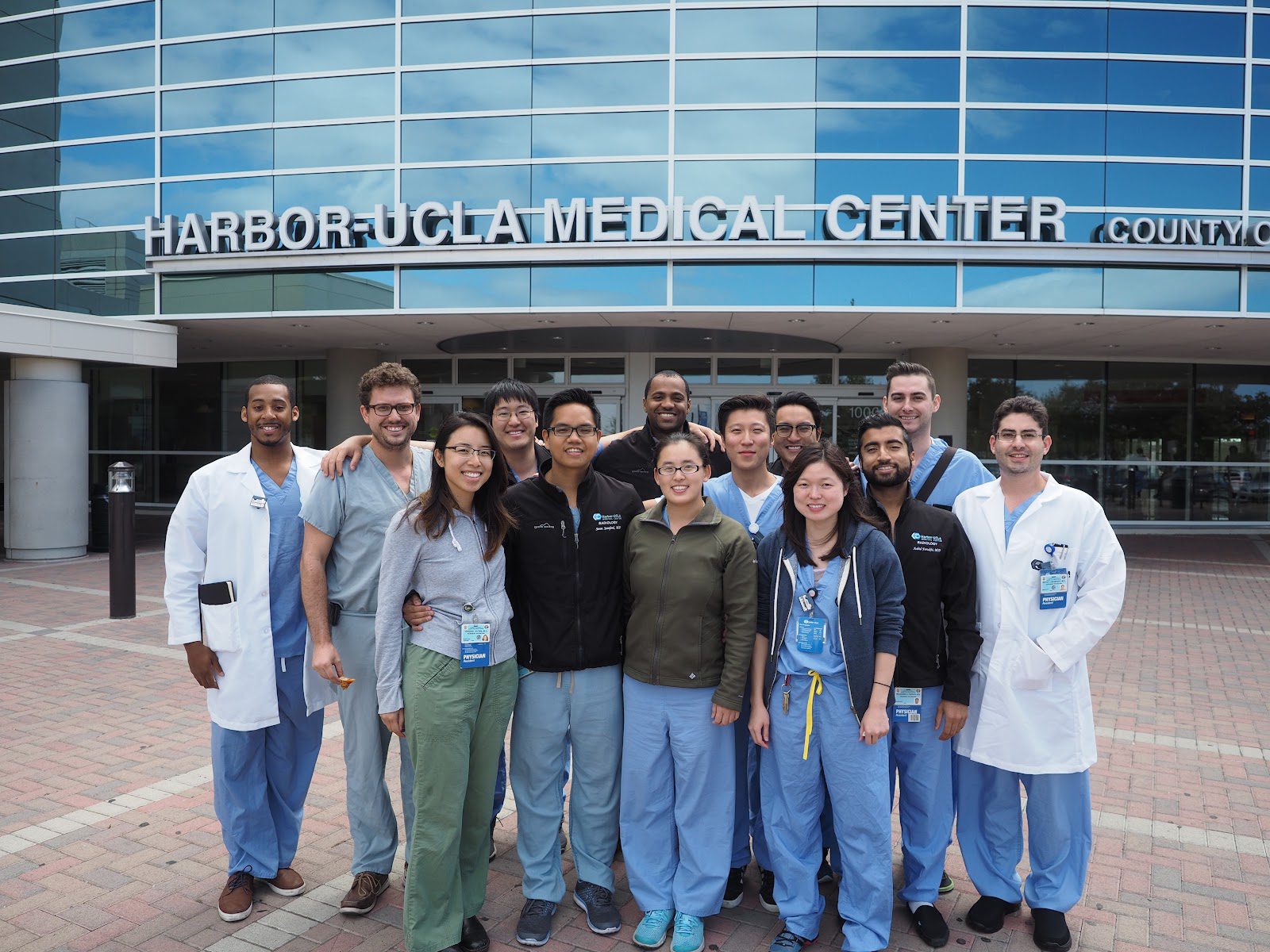
The medical center is situated on a 78-acre campus and features a modern nine-story main building housing 10 operating rooms, 7 intensive care units, and numerous outpatient clinics. Furthermore, the hospital complex includes a two-story medical library, multiple research and clinical laboratories, a standalone imaging center, and a cardiology research center. The 389-bed hospital serves as the primary medical facility for over 700,000 residents. Harbor-UCLA supports 51 residency and fellowship training programs with more than 300 full-time faculty members. Harbor-UCLA plays a pivotal role in the Los Angeles mental health system. It not only provides medical treatment but also actively engages in scientific research, developing new methods for diagnosing and treating mental disorders. A key goal of the lab is to gain a detailed understanding of the neurocognitive consequences of traumatic brain injury using cognitive paradigms, standard neuropsychological tests, and neuroimaging. Specialists are dedicated to refining methods of neuropsychological measurement. Research capabilities include analyzing neuropsychological and neuroimaging datasets, participating in collaborative projects, preparing research presentations and peer-reviewed publications, and coordinating laboratory projects. This commitment makes the institution an important hub for both patients and medical professionals undergoing training and practice. Thanks to its long history and contribution to the field of psychiatry, the Harbor-UCLA Mental Health Center remains one of the most vital mental health institutions in California.
The Growing Need for Psychological Help
Los Angeles is a sprawling metropolis defined by high stress levels, a rapid pace of life, and a significant population facing mental health challenges. Key factors driving the demand for mental health services in Los Angeles include:
- A high number of people experiencing homelessness and associated mental disorders within the population.
- A large veteran population in need of assistance battling PTSD and other psychological consequences of service.
- Widespread addiction issues (substance, alcohol, gambling) affecting various segments of the population.
- Social and professional pressures felt by city residents, particularly those in the entertainment industry.
- The need for accessible psychological help for low-income and underserved populations.
Patients seek help at the Harbor-UCLA center for a wide range of issues, including:
- Acute anxiety and panic attacks.
- Chronic depression and mood disorders.
- Post-Traumatic Stress Disorder (PTSD) following traumatic events.
- Social adaptation difficulties and interpersonal relationship struggles.
- Psychosis and schizophrenic disorders.
- Sleep disturbances caused by psychological problems.
- Addictions (alcohol, drug, gambling) and co-occurring mental health disorders.
The Harbor-UCLA Center has treated many patients, including well-known personalities. Due to confidentiality policies, the hospital does not disclose patient names, but media reports have repeatedly suggested that movie stars, musicians, and sports figures have sought treatment there for mental disorders, addiction recovery, and rehabilitation after crisis situations.
Areas of Focus
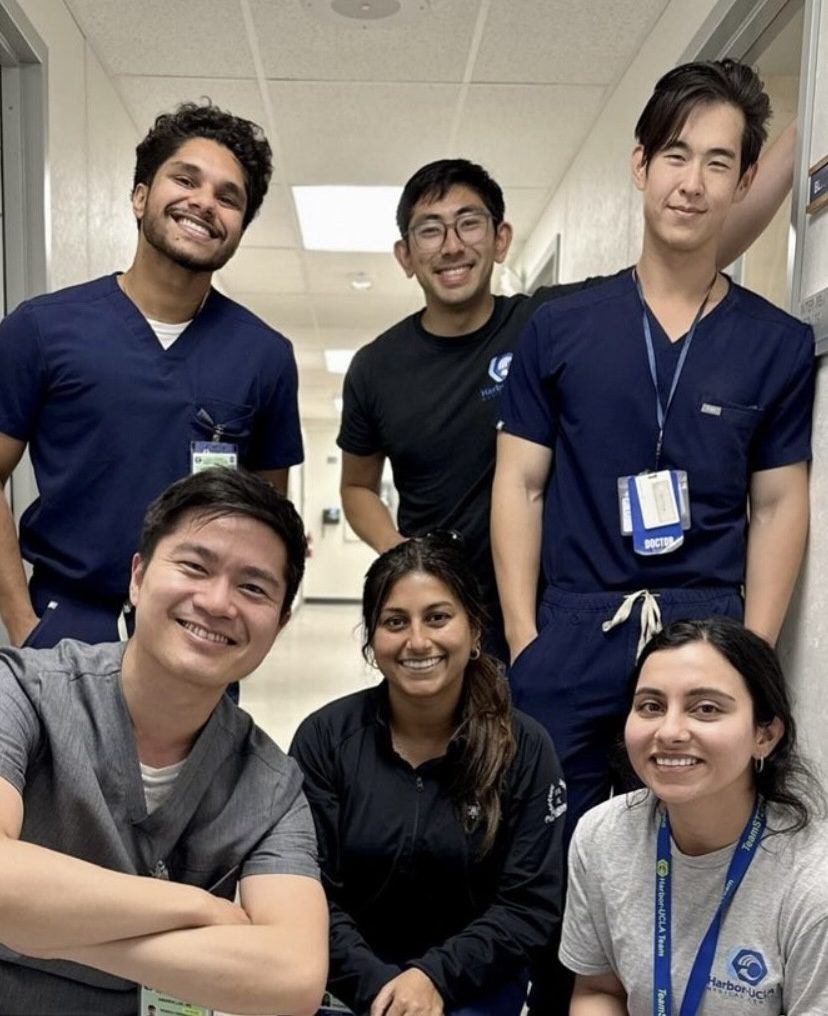
The mission of the Harbor-UCLA Medical Center’s Psychology Division is to ensure high-quality, patient-centered care, education, and training. The division is deeply committed to creating and maintaining a climate of inclusivity and equity for all people. The IIDEA (Inclusivity, Inclusion, Equity, Diversity, and Access) Task Force meets monthly to assess and discuss ways to improve the programmatic climate regarding inclusivity and equity. The center offers a wide array of mental health services, including:
- Diagnosis and treatment of mental disorders such as depression, anxiety disorders, schizophrenia, bipolar disorder, and others.
- Provision of crisis intervention for patients in severe emotional or psychiatric distress.
- Outpatient and inpatient psychiatric care.
- Programs for social rehabilitation and post-treatment support.
- Counseling and psychotherapy.
- Programs for persons suffering from Post-Traumatic Stress Disorder (PTSD) and other consequences of psychological traumas.
The center employs highly qualified professionals: psychiatrists, psychologists, social workers, psychotherapists, and medical staff who use modern treatment approaches. Therapy methods include Cognitive-Behavioral Therapy (CBT), pharmacotherapy, group and individual psychotherapy sessions, art therapy, and other modalities.
How to Get Help
Patients can seek assistance directly from the center or through their primary care physicians. Additionally, the Los Angeles County Department of Mental Health provides a 24/7 support hotline where individuals can receive consultation and referrals to specialists.
The Harbor-UCLA Mental Health Center is a place where anyone struggling with mental health issues can receive the necessary care and support on their path to recovery.
Also, find out about the creative life of Italian-American writer John Fante.